Vacuum Packaging Machines: Guide to Types, Working Principles, and Packaging Benefits
Modern packaging plays an important role in preserving food and protecting products. Many industries rely on advanced packaging methods to keep items fresh, clean, and safe during storage and transportation. One of the most widely used solutions is vacuum packaging machines.
Sealed tight, these devices suck out air before locking the wrap shut. Because there's less oxygen tucked within, what’s inside holds its freshness much further down the road. Think of busy kitchen lines, factories boxing goods, or meal prep hubs relying on this trick every day.
From busy kitchens to production lines, vacuum packing tools show up everywhere food gets ready. Picture one of these machines sucking air out before closing a bag tight - keeps stuff fresh longer. Choices get clearer once you see what each model can actually do. Some fit cramped spaces. Others handle big batches without slowing down. Knowing the differences guides decisions without guesswork.
Understanding the Concept
From a plastic sack, these devices suck out air before shutting it closed. Spoilage often links to oxygen exposure. Bacteria find it tougher to thrive without that gas around. Mold spreads at a slower pace once the air vanishes.
In simple terms, vacuum packaging is a process that:
- Removes air from the packaging
- Creates a tight seal
- Helps preserve freshness and product quality
Out comes the air when the pump kicks in, thanks to a steady hand from machines built for speed. Sealing happens next, heat pressing the edges shut so nothing sneaks back in.
This method shows up a lot when dealing with tasks like these:
- Food preservation
- Meat and seafood storage
- Packaging of medical supplies
- Protection of electronic components
- Long-term storage of dry goods
Often, sealing food tightly stops dampness from getting in, keeps germs out, also blocks smells mixing across items. Machines made for vacuum wraps manage these issues pretty well most of the time.
Key Types and Categories
From food labs to factory floors, different vacuum packers show up depending on the job. Built for particular tasks, one model might seal soups while another handles hardware parts.
External Vacuum Sealers
Out in the open, away from built-in setups, these sealing tools show up a lot where meals get made - think family spots or compact cooking areas. A countertop fixture here, a handheld helper there - they fit right into daily routines without fuss.
Key characteristics include:
- Compact design
- Simple operation
- Suitable for small packaging tasks
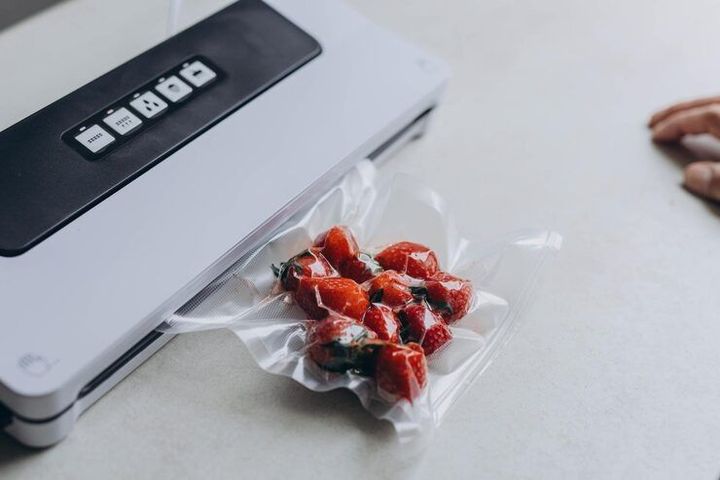
Inside the machine, the loose end of the bag gets tucked in first. After that, air gets pulled out while the seal forms beyond the chamber zone.
Called vacuum sealers by many, these gadgets handle small-scale wrapping jobs. Their main job? Locking freshness into lightweight packs. Usually found in kitchens or small shops, they press air out before sealing bags tight. Simple to run, built for everyday tasks. Not made for heavy loads, just basic storage needs.
Chamber Vacuum Sealer Machine
Chamber vacuum sealers? They show up a lot in professional cooking spaces. Food factories rely on them just as much.
Key features include:
- A space closed off completely, inside which the whole bag goes
- More powerful vacuum performance
- Consistent sealing results
Before sealing, the machine pulls out every bit of air inside the space. Because of that, suction becomes more intense - good when wrapping soupy items or anything wet.
Chamber machines handle meat, sauces, soups - also marinades - thanks to how they’re built. Though simple, the setup makes them common across these uses.
Industrial Vacuum Packaging Systems
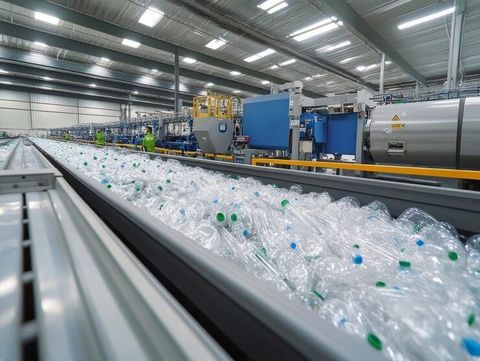
Out in big factories, you’ll spot machines that seal packages using suction - all on their own.
Here’s what these systems handle:
- Continuous packaging lines
- High-volume production
- Large product batches
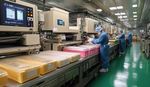
Out back, industrial vacuum pack machines often link up to conveyor belts - pairing them seamlessly with automated packaging workflows.
With these, makers can wrap up huge batches fast without losing the safety net each piece needs. Efficiency kicks in when volume meets steady shielding - no drop in quality even at high counts.
How It Works
Inside every vacuum packer, air gets pulled out before sealing kicks in. Even when shapes differ, the actions stay nearly identical across models.
Product Placement First
A small chamber sucks out air once the item sits in its clear wrap. Sealing happens after pressure drops around the edges.
Examples include:
- Fresh vegetables
- Meat or seafood
- Dry grains
- Medical instruments
Place the bag
Inside the machine's sealing zone, the bag’s open side goes first. The top part fits into place where heat joins it shut.
Inside the chamber, every part of the bag is enclosed when using a vacuum sealer system designed for chambers.
Remove air
A hiss rises as the machine pulls air out of the sack. The seal tightens while atmosphere escapes slowly. Nothing rushes here - just steady withdrawal, molecule by molecule. Pressure drops once the flow weakens. Space inside grows thin before stillness takes over.
Inside the package, pressure drops while oxygen gets used up.
Heat Seal Step Four
With the air gone, heat activates along the bag's edge, closing it off. The seal forms after vacuum pulls everything out. Inside becomes shut tight when warmth runs across the top. After emptying the air, a band warms up, joining the edges together. No air left means the closure process begins through heated contact. Pressure drops first, then a hot line moves, locking the end. Vacuum completed, sealing happens by thermal touch at the mouth.
Sealed tight, it blocks any air from sneaking back in.
Final Packaging Stage
Once closed, the machine lets go of the package. What you get is a secure seal, fit for moving or keeping.
Most of the time it wraps up fast - just seconds really - so these vacuum sealers fit right into busy production lines without slowing things down.
Benefits and Advantages
Sealed bags lock out air, helping items stay fresh longer - useful whether you’re storing meals or machine parts. A tight wrap slows spoilage, cutting waste where it matters most.
1. Extended Shelf Life
Without oxygen, bacteria find it harder to multiply. Freshness lasts longer because decay happens more slowly.
2. Protection from Moisture
Moisture stays out when the wrapper fits tight. Sealing it right keeps dampness from sneaking into what's inside.
This works well when dealing with things like
- Dry snacks
- Coffee beans
- Spices
- Powdered ingredients
3. Improved Storage Efficiency
Wrapped tight by removing air, vacuum-sealed items sit smaller. Space shrinks when the package hugs close.
Fridges, storage rooms, or transport boxes can hold more when space is used smarter.
4. Better Product Hygiene
Sealed tight, vacuum packaging keeps out dust, bugs, maybe even smells from nearby spaces. Airtight wraps shut anything unwanted trying to creep in.
Food sealers vacuum packing systems help maintain cleanliness and product integrity during handling.
5. Reduced Food Waste
Because it keeps things fresh for more days, sealing food in vacuum packs means less of it gets thrown out across kitchens, markets, and production sites.
real world examples and applications
Freshness lasts longer when air gets removed. Food stays safe in sealed bags at grocery stores. Machines wrap cheese tightly in medical-grade plastic. Oxygen-free spaces stop bacteria from growing on meat. Snacks travel far without getting crushed. Seafood moves across countries inside shrink-wrapped trays. Electronics survive humidity thanks to moisture-proof layers. Coffee keeps its smell in valve-closed pouches. Medical tools arrive sterile after long storage.
Food Processing Industry
Out back in the kitchen zones, air gets sucked out by big sealers before wraps go tight around steaks, wheels of cheddar, even cooked dishes cooling on trays.
Examples include:
- Vacuum-packed steak portions
- Pre-packaged seafood
- Packaged sliced cheese
Freshness sticks around much longer in these items, while their taste holds up even when moving them around.
Restaurants and Commercial Kitchens
Some pro kitchens keep ingredients fresh with machines that suck out air before sealing bags.
Common uses include:
- Portion control for meat and poultry
- Marinating food quickly
- Preparing ingredients in advance
Sealed tight, food stays fresh longer - less trash ends up tossed. A quiet win hiding in plain sight.
Medicine and Healthcare Product Wrapping
Sealed wrappers keep medical tools safe from germs. Airtight containers protect clean supplies during transport. Some gear needs vacuum packs to stay uncontaminated. Packaging must block outside particles completely. Sterility depends on tight seals around each item.
Sealed under low pressure, delicate gear stays free of dampness because air is pulled out. Equipment integrity holds when hidden inside tight wraps that block outside gunk.
electronics and industrial parts
Moisture might ruin electronic components. Yet sealed packages keep them safe while moving or sitting unused. Stored properly, they avoid both dampness and air exposure.
Key Things to Know
Before using vacuum packaging machines, several practical factors should be considered.
Packaging Material
Pressure-ready bags work best when sealed without air. Though some models manage regular film, many need layered plastics built for high-heat closure.
Machine Capacity
Some tools fit light tasks. Big ones keep going nonstop when the job never stops moving forward.
Product Type
Liquids hiding inside certain meals can cause trouble during sealing. Because of this, the chamber-style vacuum device usually works better - it keeps soups and juices away from where the bag closes.
Sealing Temperature
Sealing with heat needs close attention. Not enough warmth leads to fragile bonds between layers. On the flip side, too much can ruin the wrap's structure.
Maintenance and Cleaning
Every now then, a wipe down keeps packaging gear running right. Sealing bars need checking just like vacuum pumps do. Chambers hold up better when looked at often enough.
future trends and industry insights
Still changing, packaging tech moves forward while companies chase speed, less waste, one machine doing more.
Several trends are shaping the future of vacuum packaging machines.
Increased Automation
Automation is growing on today’s packaging lines. Within one setup, machines handle filling while moving straight into sealing, then shift seamlessly toward labeling before final packaging wraps up the process.
Speed picks up when vacuums seal packages by themselves, without slowing down quality. Machines keep each wrap tight even as they push through batches fast.
Smart Monitoring Technology
Pressure readings, along with how well the seal heats up, get watched closely by certain high-end models. These units keep tabs on their own operation through built-in electronics. Not every model does this, but the smarter ones log data continuously. Performance hiccups show up fast when sensors are active. Digital oversight makes spotting issues quicker than before. Machines behave differently once they start recording internal stats.
With these tools, steady packaging results stay within reach. Operators find it easier to keep each package looking just right.
Sustainable Packaging Materials
Because people care more about nature, scientists now test trash-friendly wraps that still seal tight when sucked empty. One moment it’s plastic waste piling up; next thing you know - plant-based films popping up in labs. Hopes rise quietly as leaves and cornstalks get turned into something stretchy yet tough enough for food locks.
With these materials, less trash comes from wrapping stuff. Still, what's inside stays safe during shipping.
Smarter Ways to Keep Food Fresh
Out of nowhere, some fresh packaging tricks mix vacuum sealing with tweaks to air composition inside containers. Because of that, specific foods stay good longer.
With every new tech step, vacuum packing gets better at keeping food safe plus extending shelf life. Though methods shift over time, the core goal stays fixed on smarter preservation through tighter seals. Machines grow sharper, yet simplicity still matters most when locking out air. Progress brings tweaks, not overhauls, to how meals are wrapped and stored long term.
Conclusion
From kitchens to factories, vacuum sealers keep food lasting longer through one clever trick: sucking out the air before locking it away. Without oxygen inside, spoilage slows down while unwanted microbes struggle to grow. Tightly closed packages take up less space, making room for more on shelves and in freezers. Protection like this means fewer throwaways, plus steadier quality from production to plate.
One type of machine you might see is the vacuum pack model, while others include models that seal without air. Though often found in tiny home setups, some versions run big factory lines just the same. These tools keep items fresh by locking out oxygen, which slows decay over time. Machines like the chamber-style version remove every bit of air before sealing each package tight.
Because machines keep getting better at sealing things tightly, they will likely stay useful in factories that pack goods quickly. New sensors help watch how well each package closes. Better plastics make the wraps last longer under stress. As tools change, these sealers adapt without needing full replacements. Most production lines still depend on them heavily today.