However, machines operate under constant stress. Friction, heat, vibration, and environmental conditions gradually affect their performance. Without proper attention, even high-quality equipment can lose efficiency or stop functioning completely.
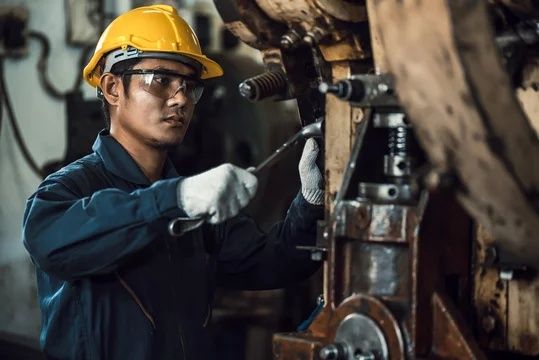
Industrial machine maintenance focuses on keeping machines in good working condition through regular inspection, cleaning, lubrication, and monitoring. Instead of waiting for equipment failure, maintenance strategies help identify small issues early and prevent major breakdowns.
For factories and production environments, proper machine care supports smooth operations, stable productivity, and equipment longevity. Understanding how maintenance works helps organizations protect valuable machinery and maintain consistent output.
Understanding the Concept
Industrial machine maintenance refers to the structured process of inspecting, maintaining, and protecting equipment used in manufacturing and industrial environments.
The goal is simple: keep machines operating safely and efficiently for as long as possible.
Machines contain many moving parts such as bearings, gears, belts, motors, and shafts. Over time, these components experience wear. Dust accumulation, overheating, vibration, and lubrication problems can also affect machine performance.
Maintenance activities help detect these issues early and correct them before they lead to downtime.
In modern factories, maintenance often combines several strategies:
-
Preventive maintenance
-
Predictive maintenance
-
Routine equipment inspection
-
Machine condition monitoring
Each approach focuses on reducing unexpected equipment failure while improving machine lifespan and reliability.
Key Types or Categories
Industrial machine maintenance generally falls into several major categories. Each method focuses on different aspects of equipment care.
Preventive Maintenance
Preventive maintenance involves performing regular maintenance activities based on time schedules or usage intervals.
Common preventive tasks include:
-
Lubricating moving parts
-
Tightening bolts and fasteners
-
Inspecting belts and chains
-
Replacing worn components
-
Cleaning mechanical assemblies
For example, a manufacturing plant may lubricate conveyor bearings every two weeks to prevent friction damage.
This approach reduces the chances of sudden mechanical failure.
Predictive Maintenance
Predictive maintenance uses machine condition data to determine when maintenance should occur.
Instead of relying on a fixed schedule, predictive methods analyze equipment behavior.
Common monitoring techniques include:
-
Vibration monitoring
-
Temperature tracking
-
Oil analysis
-
Motor current monitoring
-
Acoustic monitoring
If abnormal vibration appears in a rotating machine, technicians can inspect the bearing before failure occurs.
Predictive maintenance improves equipment reliability by detecting hidden problems early.
Corrective Maintenance
Corrective maintenance occurs after a problem has already appeared.
This may include repairing damaged components or restoring machines after malfunction.
Examples include:
-
Replacing broken gears
-
Repairing damaged shafts
-
Fixing alignment problems
-
Restoring worn mechanical components
While corrective maintenance is sometimes unavoidable, excessive reliance on it can increase downtime and reduce productivity.
Condition-Based Maintenance
Condition-based maintenance relies on real-time equipment monitoring.
Maintenance actions are triggered only when certain conditions indicate potential failure.
For example:
-
Rising temperature in a motor
-
Increasing vibration levels
-
Abnormal lubrication contamination
This method helps maintenance teams act only when necessary, improving operational efficiency.
Routine Equipment Care
Routine care includes simple daily or weekly tasks that keep machines clean and stable.
Typical tasks include:
-
Removing dust and debris
-
Checking fluid levels
-
Inspecting safety guards
-
Observing unusual noises
Even small routine actions can significantly reduce machine wear.
Important Subsections
Lubrication Management
Lubrication is one of the most important elements of machine maintenance.
Proper lubrication:
-
Reduces friction between moving parts
-
Prevents overheating
-
Minimizes mechanical wear
-
Extends component lifespan
Poor lubrication is a common reason for bearing and gear damage.
Maintenance teams often use lubrication schedules to ensure oils and greases remain effective.
Alignment and Balancing
Machine alignment ensures that shafts, gears, and rotating parts move smoothly.
Misalignment may cause:
-
Increased vibration
-
Bearing damage
-
Shaft bending
-
Mechanical noise
Balancing rotating parts also prevents vibration that could weaken structural components.
Machine Inspection
Regular inspection helps identify early signs of wear.
Inspection activities often include:
-
Visual observation
-
Temperature checks
-
Listening for unusual sounds
-
Checking vibration levels
These simple checks help detect problems before serious damage occurs.
How It Works
Industrial machine maintenance usually follows a structured process. Each step ensures machines remain reliable and safe.
Step 1: Equipment Assessment
Maintenance teams begin by evaluating machines and identifying critical components.
Machines with continuous operation often receive higher maintenance priority.
Step 2: Maintenance Planning
A maintenance plan defines:
-
Inspection intervals
-
Lubrication schedules
-
Component replacement cycles
-
Equipment monitoring methods
Planning helps ensure maintenance tasks occur consistently.
Step 3: Routine Monitoring
Machines are regularly monitored for signs of abnormal operation.
Technicians check factors such as:
-
Noise levels
-
Temperature changes
-
Vibration patterns
-
Lubrication condition
Monitoring allows early detection of mechanical problems.
Step 4: Maintenance Execution
Scheduled maintenance activities are performed according to the plan.
This may include:
-
Cleaning equipment
-
Replacing worn components
-
Lubricating mechanical assemblies
-
Adjusting alignment
Each action supports equipment stability.
Step 5: Performance Evaluation
After maintenance tasks are completed, machine performance is reviewed.
This helps confirm that equipment operates efficiently and safely.
Maintenance records also help track equipment history and future maintenance needs.
Benefits and Advantages
Industrial machine maintenance provides several important advantages for manufacturing environments.
Improved Equipment Reliability
Regular maintenance helps machines operate consistently without unexpected interruptions.
Reliable equipment supports stable production flow.
Longer Equipment Lifespan
Well-maintained machines experience less wear and mechanical stress.
This allows equipment to function effectively for many years.
Increased Operational Efficiency
Machines operating in optimal condition consume less energy and perform tasks more smoothly.
Efficient machines also produce consistent output quality.
Reduced Downtime
Maintenance activities help identify small issues early.
Addressing these issues prevents sudden equipment stoppage during production.
Better Workplace Safety
Mechanical failures can create safety risks.
Proper machine care reduces the chances of accidents caused by malfunctioning equipment.
Real-World Examples or Applications
Industrial machine maintenance is essential across many sectors.
Manufacturing Plants
Factories use maintenance programs to maintain:
-
CNC machines
-
Press machines
-
Assembly line equipment
-
Packaging machinery
Routine inspection ensures machines operate accurately and continuously.
Oil and Gas Facilities
Pumps, compressors, and drilling equipment operate in demanding environments.
Maintenance activities help prevent equipment damage caused by high pressure, heat, and vibration.
Food Processing Facilities
Processing machines must remain clean and reliable.
Maintenance helps prevent mechanical failure during production cycles.
Automotive Production Lines
Robotic systems, welding machines, and conveyor systems require careful monitoring.
Maintenance ensures smooth vehicle assembly processes.
These real-world applications show how maintenance supports reliable industrial operations.
Important Factors to Understand
Several factors influence the effectiveness of machine maintenance.
Machine Operating Conditions
Machines exposed to dust, moisture, or extreme temperatures require more frequent inspection.
Environmental conditions directly affect equipment performance.
Equipment Age
Older machines may require more attention due to natural wear.
Maintenance planning often considers equipment age and usage history.
Skilled Maintenance Teams
Experienced technicians play a key role in identifying mechanical issues early.
Their observations often prevent major equipment problems.
Documentation and Records
Maintenance logs help track:
-
inspection results
-
replaced components
-
lubrication schedules
-
performance trends
These records support better maintenance planning.
Training and Awareness
Operators who understand machine behavior can quickly recognize unusual sounds, vibrations, or temperature changes.
Early detection improves machine reliability.
Future Trends and Industry Insights
Industrial maintenance continues to evolve with new technologies and monitoring techniques.
Smart Sensors and Machine Monitoring
Modern factories increasingly use smart sensors to monitor machine health.
Sensors can measure:
-
vibration levels
-
temperature changes
-
mechanical stress
-
energy consumption
These insights help detect problems before equipment failure occurs.
Data-Driven Maintenance
Machine performance data helps identify patterns that indicate future problems.
Maintenance teams can analyze these patterns to plan maintenance activities more effectively.
Automation in Maintenance Processes
Automated inspection tools and diagnostic equipment are improving maintenance accuracy.
These technologies help maintenance teams evaluate machine conditions more quickly.
Integration with Industrial IoT
Industrial Internet of Things (IIoT) networks allow machines to share performance data across manufacturing systems.
This improves equipment monitoring and maintenance planning.
These advancements are shaping the future of industrial equipment care.
Conclusion
Industrial machine maintenance plays a crucial role in maintaining reliable production environments. Machines operate under demanding conditions, and without regular care, mechanical wear can quickly reduce efficiency and productivity.
Maintenance strategies such as preventive maintenance, predictive monitoring, routine inspection, and condition-based maintenance help protect equipment from unexpected failure.
Through proper lubrication, alignment checks, equipment monitoring, and structured maintenance planning, industries can maintain stable operations and extend machine lifespan.
Across manufacturing plants, processing facilities, and industrial production lines, effective machine maintenance ensures equipment continues to perform safely and efficiently.
As technology continues to advance, smart monitoring systems and data-driven maintenance methods will further improve how industries care for their machines and maintain operational stability.