Form Fill Seal Machines Guide: Operation, Types, and Packaging Efficiency
Packaging plays a big role in how products reach people safely and efficiently. From snacks to liquids, proper packaging helps maintain quality and extends shelf life. One of the most widely used solutions in modern packaging is the form fill and seal machine.
Out of nowhere, these machines take over packing tasks - shaping containers, loading goods inside, then closing them without stopping. Less handwork needed now, results stay uniform every time. Think food on shelves, pills in bottles, stuff people grab every day - it’s all moving faster thanks to this setup. Fact is, speed and trust matter most when getting things boxed up quick.
Understanding the Concept
A machine that forms, fills, then seals packages starts with flat material - turning it into shaped bags automatically. Each stage flows within a single unit so extra machines aren’t required.
A single bag of chips begins life flat, stored on a spool. From there, thin plastic unrolls like paper pulled from a drawer. Shaped by metal guides, it rises into an open sleeve. Crisps tumble inside, dropped fast from above. Heat presses the top shut, locking them in. In less time than it takes to blink, it's done.
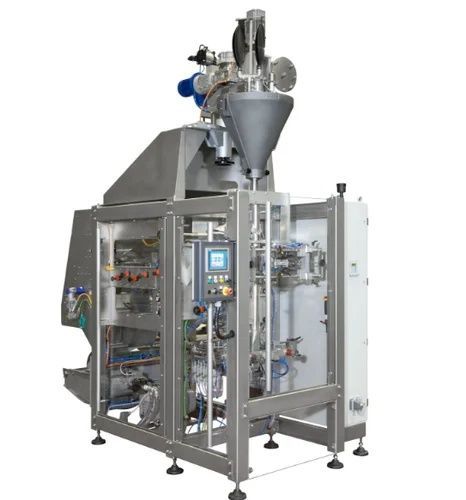
A vertical setup defines what people mean by a vffs machine. Often seen handling items like rice, flour, or chips. Motion goes upward during pack creation instead of sideways. Common choice when filling bags on production lines.
Put together, these devices handle three tasks at once by merging them into one smooth process
- Forming the package
- Filling it with the product
- Sealing it properly
By combining steps, things move faster while mistakes drop off. Speed gains come through smoother flow instead of separate stages bumping into each other.
Key Types and Categories
One kind of form fill seal machine works differently than the other. How it moves shapes which type it is considered.
Vertical Form Fill Seal Machine
A tall machine stands straight to do its job. Downward goes the wrap stuff, pulled by motion below. From the top, the item falls right where it needs to be. Pouches catch what drops without needing help.
This kind works well for tasks like these
- Snacks like chips and namkeen
- Grains such as rice and pulses
- Powder products like spices
Pouring happens naturally when things move downward on their own.
Horizontal form fill seal machine
Across the machine, products slide into their wrappers while moving sideways. This kind of filling and sealing gear lines up everything flat instead of upright.
This kind works well for:
- Solid items like biscuits and chocolates
- Medical products like syringes
- Packaged goods with fixed shapes
Because precision matters more than speed, it fits pieces exactly where they should go. When loose grouping won’t do, this method lines things up just right. Where clutter fails, a deliberate touch makes all the difference.
Important Subsections
Packaging Material Compatibility
These machines can work with different materials such as:
- Plastic films
- Laminated sheets
- Foil-based packaging
It comes down to what you're protecting plus how much safeguarding it needs.
Sealing Methods
Sealing methods change depending on what the stuff is made of
- Heat sealing for plastic films
- Pressure sealing for certain laminates
Kept tight, the seal locks in freshness while blocking outside elements. Freshness stays put because nothing sneaks in or out. Safety comes from that unbroken barrier holding firm.
Speed and Output
Faster than most expect, today's equipment moves through tasks without slowing down. Depending on what’s being made, certain setups seal up hundreds every minute, quietly keeping pace.
How It Works
A form fill and seal machine works by moving through clear stages. First, film rolls unwind to shape the package outline. Then, vertical seals build the sides while material forms a tube. After that, bottom sealing closes the base before product drops in. Once filled, horizontal heat bars pinch the top shut. Finally, cutters separate each pouch neatly from the line
- Film Feeding
- Inside the machine, a fresh roll of wrapping stuff drops in. From there, the sheet slides forward, inching toward its spot.
- Forming the Package
- Out of flat film, a machine crafts something shaped like a pouch. Moving upward, the material rolls into a tubular form instead.
- Filling the Product
- A single grain trickles inside once the wrapper takes shape. Meanwhile, bulk goods drop in, whereas firm pieces settle gently into position.
- Sealing the Package
- Heat or pressure locks the open sides shut, sealing the package tight.
- Cutting and Finishing
- One by one, the closed packs split apart, then slide ahead toward shipping. Each unit breaks off quietly, making its way down the line without pause.
Faster results come through steady repetition. Same outcome every time happens because of unbroken flow.
Benefits and Advantages
Using form fill seal machines offers many practical advantages:
- High Efficiency
- Faster packaging means tasks finish sooner while boosting how much gets produced. What matters here is speed combined with volume going up.
- Consistency
- From the outside, every box appears identical - clean lines build quiet confidence. One sees consistency; another notices care taken in packing. Uniformity speaks without words, shaping how people feel holding it. Looks matter, even when unwrapping begins.
- Reduced Waste
- Filling that hits the mark, then sealed tight - waste slips away quietly.
- Better Hygiene
- Fewer people around means less chance for germs, a big plus when handling food packages.
- Flexible Packaging Options
- Whatever the shape, machines adapt through tweaks. Size changes? Fine - settings shift accordingly. Adjustments make variety possible.
- Space Saving Setup
- One machine handles shaping, loading, and closing - so it takes up less room on the shop floor.
Folks pick vffs machines along with horizontal setups a lot these days - different fields keep using them. Why? They just work well when put together.
real world examples and applications
Packaging gadgets that shape, load, then close items appear everywhere around daily life.
Food Industry
A single machine shapes, fills, then seals a bag when making snack packs. Take potato chips - they land in a pouch that forms right before being locked shut fast.
Pharmaceutical Industry
Pills and needles get packed by machines that shape, fill, then seal flat film into wraps. These units keep doses precise while blocking dirt.
Agriculture Products
Freshness matters when packing farm items such as seeds and grains - machines handle most of the process. Fewer hands touching means less risk during packaging steps. Automation quietly helps preserve quality through consistent routines.
Personal Care Products
Little packets of shampoo along with creams come sealed through this method so they stay fresh yet handy. Freshness stays locked till you need them, thanks to how they're wrapped.
From smart homes to fitness trackers, tech quietly fits into everyday routines. Some people check heart rates while walking; others adjust lights without touching a switch. It moves through mornings, evenings, hidden in habits most never think about. Even grocery shopping leans on it now and then. Not loud, just there - doing small things that add up.
Key Things to Know
Thinking about what comes next helps when picking one of these machines. Each situation brings its own challenges along with it. Some details matter more than others might expect. Getting started means looking at how things fit together slowly
- Product Type
- Powders move best in upright models, whereas solids work more smoothly in flat setups.
- Packaging Material
- Matching the packaging material is something only the right machine can do.
- Production Volume
- Faster equipment becomes necessary when handling big jobs.
- Maintenance Needs
- Every now and then, wiping things down keeps them running smooth. A quick look-over spots trouble before it grows.
- Automation Level
- While some devices run entirely on their own, a few need occasional help from a person.
Grasping each of these pieces makes choices clearer while keeping things moving without hiccups. A bump here or there gets easier to avoid when the whole picture comes into view.
future trends and industry insights
Still moving forward, packaging tech gets smarter every year. On their own path, form fill seal devices pick up fresh upgrades along the way.
- Smart Automation
- Faster responses come from gadgets that sense their surroundings using smart tech. Digital brains help machines adapt without constant human input.
- Energy Efficiency
- Some fresh builds aim to cut power waste without losing strength. Efficiency shapes how these models run now.
- Eco-Friendly Packaging
- Folks are starting to lean on stuff that breaks down naturally, instead of piling up waste. A switch is happening - more things now come from bits the earth can reclaim.
- Customization Options
- Now machines adjust fast to different shapes and types of packages. One size doesn’t rule here - flexibility comes built in.
- Improved Accuracy
- Precision comes through modern tech that handles filling plus sealing carefully. Mistakes drop when machines take charge of closing containers right.
Faster ways ahead shape what wraps our goods tomorrow. Smarter thinking sneaks into how things are boxed up. Sustainability creeps in, not as a choice but a rhythm.
Conclusion
Out of nowhere, form fill seal machines reshaped how items get packed. Because they handle shaping, loading, and closing all at once, tasks finish faster while running smoother.
One type stands tall, the other lies flat - each fits a unique task across factories far and wide. Not just for snacks or pills, they keep what we eat and take sealed right every single time.
Faster progress in tech means machines that adjust better on their own. Quality stays high because they work without slipping back. Growing needs get met simply by evolving step by step. Reliability tags along quietly behind each upgrade.