Explore Small Factory Machines: Types, Uses, and Benefits for Modern Manufacturing
Manufacturing is changing quickly. Modern production environments are no longer limited to large industrial plants filled with massive equipment. Today, many production activities take place in smaller facilities that use compact and efficient machines.
Small factory machines play an important role in modern manufacturing. These machines allow manufacturers to produce parts, assemble products, and process materials with greater efficiency while using limited space.
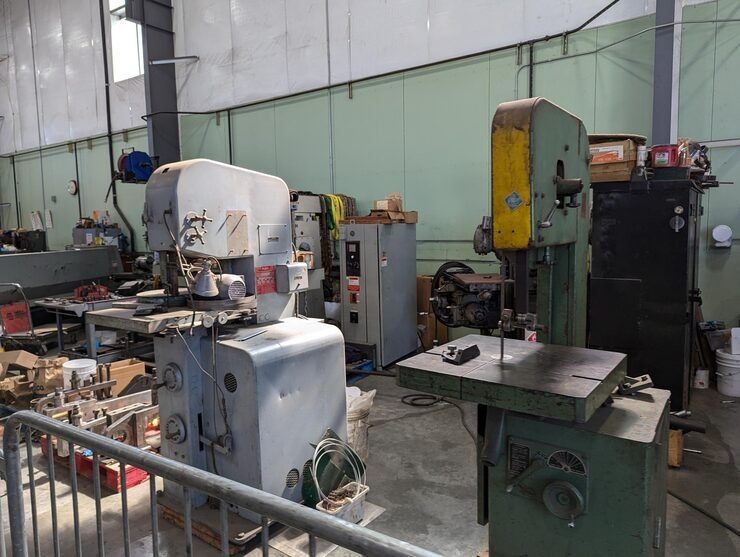
They are commonly used in industries such as metalworking, woodworking, packaging, textiles, and electronics production. Their compact design makes them suitable for workshops, small production units, and specialized manufacturing environments.
Understanding how these machines work and how they contribute to production can help individuals better understand modern manufacturing processes.
Understanding the Concept
Small factory machines are compact industrial machines designed for manufacturing tasks within smaller production environments. They perform many of the same functions as large industrial machines but require less space and often operate with lower power requirements.
These machines are used for tasks such as:
- Cutting materials
- Shaping metal or wood
- Drilling holes
- Assembling parts
- Packaging finished products
In simple terms, they help transform raw materials into finished or semi-finished products.
For example, a small metal workshop may use a compact cutting machine to shape metal sheets into parts used in equipment or appliances. A woodworking workshop may use a small milling machine to create furniture components.
Because of their flexibility and manageable size, these machines support modern manufacturing where efficiency, precision, and adaptability are important.
Key Types or Categories
There are many types of small factory machines used across different manufacturing sectors. Each machine performs a specific function within the production process.
1. CNC Machines
CNC stands for Computer Numerical Control. These machines follow programmed instructions to shape or cut materials with high precision.
Common uses include:
- Metal part production
- Prototype manufacturing
- Precision component shaping
Examples of CNC machines include:
- CNC milling machines
- CNC routers
- CNC lathes
These machines allow manufacturers to produce accurate components repeatedly.
2. Lathe Machines
Lathe machines rotate a material while cutting tools shape it. This process is commonly used for cylindrical parts.
Typical applications include:
- Shafts
- Rods
- Bushings
- Mechanical components
Small lathe machines are widely used in workshops that produce custom mechanical parts.
3. Milling Machines
Milling machines use rotating cutting tools to remove material from a workpiece. They create flat surfaces, slots, and complex shapes.
Industries often use milling machines for:
- Tool making
- Component shaping
- Mold preparation
Compact milling machines are common in precision manufacturing environments.
4. Drilling Machines
Drilling machines create holes in materials such as metal, wood, or plastic.
Common uses include:
- Mechanical assembly preparation
- Electrical component mounting
- Construction part preparation
Small drilling machines are widely used due to their simplicity and efficiency.
5. Cutting Machines
Cutting machines separate materials into smaller pieces or specific shapes.
Examples include:
- Laser cutting machines
- Plasma cutting machines
- Mechanical cutting machines
These machines help create accurate shapes used in manufacturing components.
6. Packaging Machines
Packaging machines prepare finished products for storage or distribution.
Typical tasks include:
- Sealing packages
- Filling containers
- Labeling items
In small production environments, compact packaging machines improve efficiency and organization.
Important Subsections
Different machines are designed for different materials and production needs. Some machines specialize in metal processing, while others are designed for plastics, textiles, or wood.
For example:
- Woodworking machines shape wooden components used in furniture production.
- Metalworking machines create durable metal parts used in machinery and equipment.
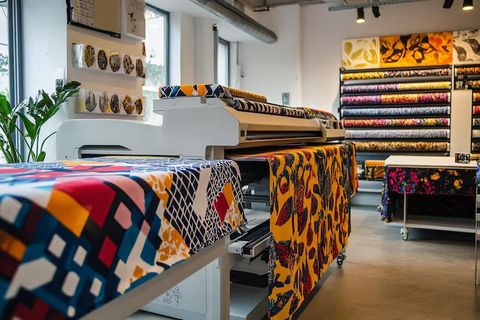
- Textile machines assist with fabric processing and garment production.
Understanding the material being processed helps determine which machine is most suitable.
How It Works
Small factory machines follow a structured production process. Although each machine operates differently, the general workflow often follows several steps.
Step 1: Material Preparation
The process begins with preparing the raw material. This may include:
- Metal sheets
- Wooden blocks
- Plastic components
- Fabric materials
Materials are measured and positioned properly before machining begins.
Step 2: Machine Setup
Operators configure the machine according to the required dimensions or shape.
This step may involve:
- Adjusting cutting tools
- Setting machine parameters
- Aligning the material
Proper setup ensures accuracy and consistent results.
Step 3: Processing the Material
The machine performs the required operation. Depending on the machine type, this could involve:
- Cutting
- Drilling
- Shaping
- Milling
Machines use rotating tools, pressure, heat, or mechanical force to transform the material.
Step 4: Inspection and Finishing
After processing, the produced part is checked for accuracy.
Finishing steps may include:
- Surface smoothing
- Edge trimming
- Cleaning the component
These steps ensure the final product meets manufacturing standards.
Step 5: Assembly or Packaging
Finished parts may move to assembly lines or packaging units for final preparation.
This step completes the production cycle.
Benefits and Advantages
Small factory machines provide several advantages for modern manufacturing environments.
1. Space Efficiency
Compact machines require less floor space compared to large industrial equipment. This allows manufacturing to take place in smaller facilities.
2. Flexibility in Production
Small machines can adapt to different production tasks. Manufacturers can switch between product types with minimal adjustments.
3. Improved Precision
Many modern machines provide high levels of accuracy. This is important for producing components that must fit together precisely.
4. Faster Production Cycles
Automated functions and efficient designs help complete production tasks more quickly.
5. Accessibility for Small Manufacturers
Smaller production environments can adopt advanced manufacturing methods without relying on extremely large equipment.
6. Efficient Material Usage
Accurate machining reduces waste by cutting materials precisely according to design requirements.
Real-World Examples or Applications
Small factory machines are used in many everyday industries.
Electronics Manufacturing
Small precision machines create components used in electronic devices.
Examples include:
- Device casings
- Internal mechanical parts
- Connector components
Furniture Production
Woodworking machines shape wooden parts used in furniture manufacturing.
Common products include:
- Tables
- Chairs
- Cabinets
Automotive Parts Production
Mechanical workshops use small machines to produce replacement components such as:
- Bolts
- Shafts
- Engine parts
Packaging Industries
Packaging machines prepare products for storage and transportation by sealing or labeling containers.
Custom Product Manufacturing
Many workshops create customized items such as tools, decorative pieces, and specialized equipment components.
These machines allow manufacturers to produce small batches of unique products efficiently.
Important Factors to Understand
Before using or implementing small factory machines, several factors should be considered.
Machine Capability
Different machines handle different materials and production tasks. Choosing the correct machine ensures better performance.
Production Volume
Some machines are better suited for small batch production, while others can handle continuous manufacturing.
Operator Knowledge
Proper training helps operators run machines safely and effectively.
Maintenance and Care
Regular maintenance helps keep machines functioning properly. Cleaning, lubrication, and periodic inspection extend machine life.
Safety Measures
Manufacturing environments must follow safety practices, including:
- Protective equipment
- Proper machine guards
- Clear operational procedures
These measures reduce the risk of accidents.
Future Trends and Industry Insights
Manufacturing technology continues to evolve. Small factory machines are becoming more advanced and efficient.
Several trends are shaping the future of small-scale manufacturing.
Smart Manufacturing
Machines increasingly connect to digital monitoring systems that track performance and production data.
Automation Integration
More machines include automated features that reduce manual adjustments and improve consistency.
Energy Efficiency
Modern machines are designed to operate using less energy while maintaining strong performance.
Compact High-Precision Machines
Manufacturers continue developing smaller machines that provide the same precision as larger industrial equipment.
Custom Manufacturing Growth
Demand for customized products is increasing. Small machines support flexible production that can adapt to changing product designs.
These trends show how small factory machines are becoming essential tools in modern manufacturing environments.
Conclusion
Small factory machines are an important part of modern manufacturing. They allow production to take place in compact facilities while maintaining precision and efficiency.
These machines perform essential tasks such as cutting, drilling, shaping, and packaging materials. Their flexibility makes them suitable for industries ranging from electronics and automotive production to woodworking and packaging.
By understanding the different types of machines, how they work, and their advantages, manufacturers can create efficient production environments even in smaller spaces.
As technology continues to evolve, small factory machines will play an even greater role in shaping the future of manufacturing. Their ability to combine precision, adaptability, and efficiency makes them valuable tools in modern production systems.