Asphalt Paving Machines: Guide to Road Construction Equipment and Paving Technology
Road Construction Engineering plays an important role in modern transportation systems.
Roads, highways, parking areas, airport runways, and industrial pathways all depend on strong and durable paving methods. Asphalt paving machines are essential pieces of equipment used in this process.
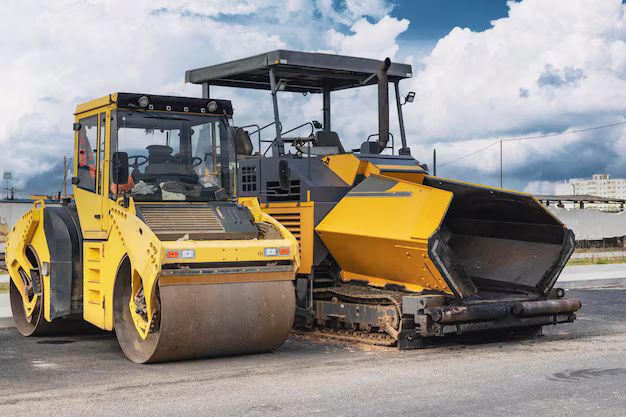
These machines help create smooth road surfaces by spreading and leveling hot asphalt material evenly across the ground. Without paving equipment, road construction would take much longer and surface quality would become inconsistent.
Modern paving technology improves road durability, driving comfort, and construction efficiency. Understanding how asphalt paving machines work can help people learn more about infrastructure development and the equipment used in large construction projects.
Understanding the Concept
Asphalt paving machines are heavy construction machines designed to place asphalt mixtures on roads and surfaces. Asphalt is a material made from aggregates such as sand, gravel, and crushed stone mixed with bitumen, which acts as a binding material.
The paving machine spreads the asphalt evenly before compaction equipment compresses it into a smooth surface. This process creates durable roads capable of handling traffic, weather conditions, and long-term use.
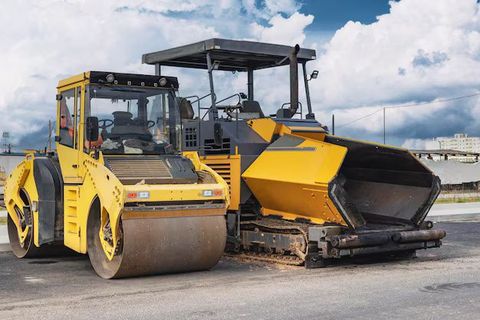
Road construction projects often involve multiple machines working together. Asphalt paving machines operate alongside rollers, loaders, dump trucks, and grading equipment to complete paving operations efficiently.
For example, during highway construction, dump trucks deliver hot asphalt material while paving machines distribute it evenly across the prepared road base.
Key Types or Categories
Several types of asphalt paving machines are used for different road construction tasks.
Highway Pavers
Highway pavers are large machines commonly used for highways, major roads, and airport runways.
These machines can handle wide paving areas and large material volumes. They are often used in large-scale infrastructure projects.
Mini Asphalt Pavers
Mini pavers are smaller machines designed for compact spaces and smaller projects.
They are commonly used for:
- Residential roads
- Sidewalks
- Bicycle lanes
- Parking lots
- Repair projects
Mini pavers improve flexibility in narrow or restricted areas.
Track Pavers
Track pavers use crawler tracks instead of wheels.
Tracks provide better stability and traction on uneven surfaces. These machines are useful in demanding terrain and large paving environments.
Wheel Asphalt Pavers
Wheel pavers use rubber tires for movement.
These machines move faster between locations and are commonly used on smoother surfaces or urban road projects.
Important Subsections
Hopper System
The hopper is the front section of the paving machine where asphalt material is loaded.
Dump trucks transfer hot asphalt into the hopper, which then feeds the material into the machine for distribution.
Conveyor Mechanism
The conveyor system moves asphalt from the hopper to the rear section of the machine.
This mechanism ensures a steady material flow during paving operations.
Screed Component
The screed is one of the most important parts of the paving machine.
It spreads and levels asphalt to the required width and thickness. Heated screeds also help create smoother surfaces.
Compaction Support
Although rollers mainly handle compaction, some paving machines include vibration systems that help begin the compression process during asphalt placement.
This improves surface consistency and road durability.
How It Works
Asphalt paving follows a step-by-step construction process.
Step 1: Surface Preparation
Before paving begins, the construction area must be prepared.
This may include:
- Ground leveling
- Soil stabilization
- Base layer installation
- Debris removal
- Drainage preparation
A stable foundation is important for long-lasting roads.
Step 2: Asphalt Production
Asphalt material is produced in specialized mixing plants.
The mixture combines:
| Material Component | Purpose |
|---|---|
| Bitumen | Binding material |
| Sand | Surface texture |
| Gravel | Structural support |
| Crushed Stone | Strength and durability |
The mixture is heated before transportation to the construction site.
Step 3: Material Delivery
Dump trucks transport hot asphalt to the paving machine.
The asphalt is unloaded into the hopper system while the machine moves forward steadily.
Step 4: Asphalt Distribution
The paving machine spreads asphalt evenly across the prepared surface.
The screed controls:
- Thickness
- Width
- Surface smoothness
- Material consistency
This stage determines overall paving quality.
Step 5: Surface Compaction
Road rollers compress the freshly laid asphalt.
Compaction removes air pockets and strengthens the surface structure.
Proper compaction improves durability and resistance to cracking.
Benefits and Advantages
Asphalt paving machines provide many practical advantages in road construction projects.
Faster Construction
Modern paving machines complete road projects much faster than manual paving methods.
Large highway sections can be paved efficiently within shorter timeframes.
Improved Surface Quality
Machine-controlled paving creates smoother and more uniform surfaces.
This improves:
- Driving comfort
- Vehicle stability
- Road appearance
- Surface durability
Better Material Distribution
Accurate asphalt spreading reduces uneven areas and improves structural consistency.
This helps roads withstand traffic pressure more effectively.
Increased Efficiency
Paving equipment reduces manual labor requirements and improves workflow coordination.
Construction teams can complete projects more systematically.
Enhanced Road Durability
Consistent paving and proper compaction improve long-term road strength.
Durable roads often require fewer repairs and maintenance activities.
Support for Large Infrastructure Projects
Asphalt paving machines are essential for:
- Highways
- Airport runways
- Industrial zones
- Urban roads
- Bridge approaches
These projects depend on efficient paving operations.
Real-World Examples or Applications
Asphalt paving equipment is used in many construction environments worldwide.
Highway Development
Highway construction projects use large paving machines to create smooth traffic lanes capable of supporting heavy vehicles and long-distance transportation.
Airport Runways
Airport paving requires highly precise surface leveling and durability.
Runways must support aircraft weight while maintaining smooth landing surfaces.
Residential Road Construction
Smaller paving machines are commonly used in housing developments and local road projects.
These machines help create neighborhood streets and parking areas.
Industrial Facilities
Factories and warehouses often require paved pathways for transportation vehicles and logistics operations.
Industrial paving projects focus on strength and heavy-load resistance.
Sports and Recreational Areas
Asphalt paving is also used in:
- Tennis courts
- Cycling tracks
- Playground pathways
- Walking trails
Smooth surfaces improve usability and safety.
Important Factors to Understand
Several important factors influence asphalt paving quality and machine performance.
Asphalt Temperature
Hot asphalt must remain within a proper temperature range during paving.
If the material cools too quickly, surface quality may decrease.
Weather Conditions
Rain, extreme cold, and strong winds can affect paving operations.
Dry and stable weather conditions usually improve paving results.
Machine Maintenance
Regular machine maintenance supports reliable performance.
Important maintenance areas include:
- Hydraulic systems
- Conveyor components
- Screed heating systems
- Engine performance
- Track or tire condition
Proper maintenance improves operational efficiency and machine lifespan.
Surface Thickness
Different projects require different asphalt thickness levels.
For example:
- Residential roads may require thinner layers
- Highways often require thicker structures
- Industrial zones may need reinforced surfaces
Thickness directly affects durability and performance.
Operator Skill
Experienced machine operators play an important role in paving quality.
Accurate machine control improves asphalt consistency and surface smoothness.
Future Trends and Industry Insights
Road construction technology continues evolving with modern engineering advancements.
Smart Paving Technology
Modern paving machines increasingly use digital control systems and automated monitoring tools.
These technologies help improve:
- Material accuracy
- Surface consistency
- Machine efficiency
- Construction precision
Sustainable Construction Materials
The construction industry is exploring environmentally conscious paving methods.
Recycled asphalt materials are becoming more common in road projects.
This approach helps reduce material waste and supports sustainable infrastructure development.
Electric and Hybrid Equipment
Some manufacturers are developing electric and hybrid construction equipment to reduce fuel consumption and environmental impact.
These machines may become more common in urban construction projects.
Advanced Compaction Monitoring
Modern sensors can monitor compaction levels during paving operations.
This improves quality control and helps construction teams maintain consistent road strength.
Automation and GPS Integration
GPS-guided paving systems help improve accuracy and machine coordination.
Automated technologies may continue improving efficiency in future infrastructure projects.
Conclusion
Asphalt paving machines are essential pieces of equipment in modern road construction and infrastructure development. These machines help create smooth, durable, and reliable road surfaces for transportation systems worldwide.
From highways and airport runways to residential streets and industrial facilities, paving equipment supports efficient construction and improved surface quality. Features such as screeds, conveyors, hoppers, and compaction systems work together to create strong asphalt structures.
As paving technology continues advancing, modern machines are becoming more efficient, accurate, and environmentally conscious. Understanding how asphalt paving machines work provides valuable insight into the engineering processes behind safe and durable transportation infrastructure.