CNC Engraving Machines Guide: Technology, Materials, and Uses
CNC engraving machines are widely used in modern manufacturing, creative design, industrial marking, and custom production.
Starting with clean steel tags or smooth wooden boards, these tools carve exact lines and figures by following digital plans. Whether it is industrial labels or detailed art pieces, machine-guided etching shows up across fields you might not expect.
Computer Numerical Control - that’s what CNC means. Digital commands, built using software, guide how the machine moves. Without hands-on cutting, it carves fine details precisely every time. Accuracy stays strong across repeated tasks.
From car parts to tiny circuits, CNC engravers shape materials across industries like furniture, signs, and fine jewelry. Because accuracy matters, factories rely on them - consistency comes easier when each mark matches the last. Mistakes fade when automation handles detail work. Less scrap piles up thanks to tighter control over cuts. Each job runs smoother than the one before, simply because settings stay fixed.
Understanding the Concept
A CNC engraving machine carves shapes or words into materials using digital commands. Instead of manual control, it follows programmed paths with precision. Cutting instruments, spinning drill tips, or focused light beams do the work. Marks appear as shallow lines, deep cuts, or intricate artwork depending on settings.
Starting off differently each time, CNC machines stick to coded directions instead of hand-carved techniques. Because of that, identical patterns emerge again and again with almost no differences showing up between them.
The basic process includes:
- Creating a digital design
- Converting the design into machine instructions
- Loading the material into the machine
- Running the engraving operation
- Finishing and inspecting the engraved surface
What makes CNC machining stand out isn’t just accuracy - it’s how it handles tricky forms without slowing down. Shapes too intricate for hand tools come together smoothly, guided by steady digital control.
Markings show up clean when machines etch them in factories. Serial tags appear sharp because tools carve each line with care. Labels form neatly through steady robotic motion. Designs take shape one groove at a time. Brand names stay clear thanks to consistent depth control.
Key Types and Categories
Some CNC engravers work better on certain jobs because they match specific materials. Machines change based on what they carve. Each type fits a unique task. Their design depends on the stuff they cut through.
Rotary CNC Engraving Machines
Spinning blades dig into surfaces on these machines. Often found doing jobs like:
- Wood engraving
- Acrylic engraving
- Plastic panel marking
- Metal surface engraving
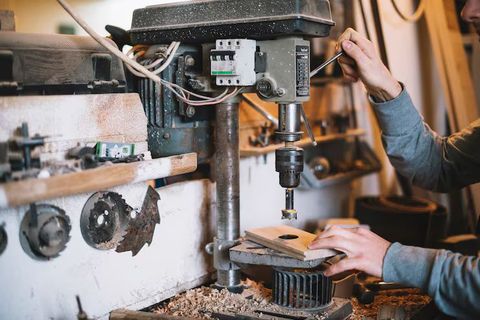
Spinning tools often carve details into wood pieces inside factory spaces. Machines tap these gadgets to mark metal parts during big builds.
Laser Engraving Machines
A tiny beam of light does the job normally done by sharp tools. Heat builds up right where the beam hits, leaving a mark behind.
Common applications include:
- Glass engraving
- Leather marking
- Product labeling
- Decorative artwork
Fine details plus a polished finish? That’s where lasers usually come into play.
Desktop CNC Engraving Machines
Small offices often fit desktop versions easily. Their size makes them ideal where space matters. Usually found on desks or shelves, these units save room. People pick them when floor area is limited. Most workplaces with tight spots choose this type
- Educational environments
- Prototype development
- Small-scale creative projects
- Personalized engraving work
For thinner stuff plus tiny marking jobs, these work fine. These handle light-duty carving without trouble.
Industrial cnc engraving machines
Big machines built for factories run stronger, last longer. Because they handle nonstop workloads, output stays high. Their size allows round-the-clock tasks without slowing down.
Industries using these systems include:
- Automotive manufacturing
- Aerospace production
- Industrial equipment fabrication
- Electronics manufacturing
Some of these devices come with smart automation tools, while also using highly accurate movement controls.
Important Subsections
Single Axis and Multiple Axes Machines
Not every CNC engraver moves the same way; some twist and tilt across extra directions to carve deeper, shaped patterns. Others stick to simpler paths, getting by with less motion but still doing the job.
Multi-axis systems allow:
- Curved surface engraving
- 3D pattern creation
- Complex industrial component marking
Spindle Based and Laser Based Systems
Starting with a spinning tool, some machines remove material by grinding it away. On the opposite end, others rely on focused beams of light to do the job.
When it comes to carving deep into materials, spindle tools show up a lot. For delicate markings on top layers, lasers tend to take the lead instead.
How It Works
The CNC engraving process follows a series of organized steps.
Design Concept Development
A single click starts it all - digital sketches take shape on screen. Out of this, designers build logos, patterns, or words. Not by hand, through software known as CAD: short for Computer-Aided Design.
Measurements show up first in the layout, followed by forms that fit together. Engraving routes wind through after that. Shapes appear where lines meet, while paths connect each section slowly.
Machine Programming
From the blueprint, steps become a language machines follow - G-code. This code guides every move the device makes
- Where to move
- How deep to engrave
- Which cutting path to follow
- How fast to operate
Material Placement
Starting at the edge, the worker places the piece on the machine surface. Getting it lined up right matters if the cut needs to match the design.
Materials commonly used include:
- Aluminum
- Brass
- Stainless steel
- Wood
- Acrylic
- Plastic
- Glass
Fourth step engraving process
Out of stillness, the machine stirs, following lines of code it was taught. Across the surface, a cutting tip or beam traces what needs to be left behind.
Precision stays steady through sensors - control setups keep things on track mid-operation.
Final Touches and Check
Once the carving finishes, workers wipe down the surface, then check it closely. Depending on how it will be used, a shine treatment or shield layer might follow afterward.
Benefits and Advantages
CNC engraving technology provides several practical advantages across many industries.
High Precision
Out of precision comes consistency - each mark lands exactly where it should. Because industries rely on clear labels, logos stay sharp, codes remain legible. A steady hand isn’t needed when motion follows code. Mistakes fade when repetition is built into every cycle. Clarity sticks around long after the machine powers down.
Faster Production
Out of nowhere, machines handle carving tasks that once took workers hours. Because of this, turning out big groups of items moves faster than before. Speed picks up when repetition fades into background noise.
Material Flexibility
CNC engraving equipment works with many different materials, including:
- Metals
- Wood
- Plastic
- Acrylic
- Stone
- Leather
Consistent Quality
Machines run by software make fewer mistakes, so each item gets the exact same mark every time. One flaw stays out when automation handles repetition without pause. Precision sticks through batch after batch because digital guidance never drifts off track.
Reduced Material Waste
Precision in cuts and etching keeps waste low by skipping extra scrap. Paths that hit the mark mean less gets taken away without reason.
Detailed Customization
Starting with fine lines, even tiny letters show up sharp. Logos appear clear, thanks to precise marking. Intricate designs hold their shape, each curve carefully etched.
This works well when you need it for:
- Industrial labels
- Decorative products
- Identification plates
- Machine components
real world examples and applications
Out in workshops, CNC engraving tools get put to work. These devices show up wherever precision carving matters. Not just factories - think custom shops, too. Wherever detailed marking is needed, they tend to appear. From metal tags to wooden signs, their role fits quietly but firmly.
Manufacturing Industry
Factories use industrial engraving machines to mark:
- Serial numbers
- Product codes
- Safety labels
- Equipment information
Built right into the process, it keeps tabs on items while they move through manufacturing. Tracking each piece becomes simpler when labels are part of the flow.
Furniture and Interior Design
Patterns appear on cabinet surfaces when wood engraving tools shape the material. Furniture pieces gain detail through cuts made by these carving methods. Door designs emerge from marks left behind during the process.
Out of the ordinary visuals come alive when tailored layouts take shape. Product distinctiveness grows through personalized styling choices instead. Unique looks emerge because standard templates get replaced.
Jewelry and Decorative Items
Starting with steady hands, artisans guide tiny tools across smooth surfaces to carve fine lines into bracelets, necklaces, and bands. Each mark forms part of a name, date, or design shaped by careful motion rather than guesswork. These details emerge under focused light, one groove at a time, through machines that follow exact paths. Metal takes on meaning when etched slowly, not rushed. Personal touches appear where craftsmanship meets quiet patience.
Electronics Industry
Tiny labels usually go on electronic pieces. With precision, a laser etches them clean - no harm done by the machine's focused touch.
Signage Production
Sign makers use engraving systems to produce:
- Direction boards
- Office signs
- Nameplates
- Decorative displays
Painting letters into plastic often happens alongside carving shapes into steel. These jobs show up a lot around here.
Automotive Industry
From engine parts to chassis pieces, car makers rely on CNC machines to mark each item clearly. Labels appear through precise cuts that last the lifetime of the hardware. Identification numbers show up exactly where needed thanks to automated control. Brand names get etched during production without slowing assembly lines. Each step happens in sequence, guided by digital instructions tailored per model.
Key Things to Know
Several factors affect engraving quality and machine performance.
Material Type
Some substances react one way when engraved; others behave entirely unlike them under the same treatment.
For example:
- Wood that's soft takes carving without much effort
- Stainless steel requires stronger cutting power
- Glass requires careful laser control
How stuff reacts matters when carving gets precise. Material traits shape how clean the cut turns out.
Machine Power
Built tougher, these units push through dense stuff while cutting further down. Machines that pack more punch manage both stubborn surfaces and deeper cuts at once.
Besides factories, heavy-duty spindle setups sometimes come into play. Lasers with higher output levels show up where tougher jobs appear.
Engraving Speed
Faster movement cuts down on manufacturing duration - yet pushing too fast risks shallower marks. Though efficiency rises, detail might fade when velocity climbs unchecked.
Operators must balance speed and precision carefully.
Tool Selection
Some engraving tools work better on certain surfaces than others do. How a material feels changes which tool fits best. Not every tip handles roughness the same way. Each job picks its own match through texture and type. Choice depends on what gets marked, not just preference.
Common tool types include:
- V-bits
- Flat-end cutters
- Ball nose tools
- Diamond-tipped engravers
Cooling and Dust Control
Heat, dust, or debris often come from certain carving tasks. Because of this, machines stay clean and work better when cooling units are used. Extraction tools remove particles, so air stays clearer during operation.
Maintenance Requirements
When you keep up with routine care, machines stay precise while lasting longer. A well-tended device holds its performance without wearing out fast.
Important maintenance tasks include:
- Cleaning moving parts
- Inspecting cutting tools
- Lubricating components
- Checking alignment systems
future trends and industry insights
Machines now shape materials in ways that follow new factory needs. Progress marches on, quietly refining how details are carved by computer control.
Automation Integration
Out there, some factories now link engraving tools directly into their moving assembly systems. Because of this setup, work moves faster while needing fewer hands on deck.
Smart Manufacturing Systems
Out of today’s CNC setups, more are tapping into digital oversight along with smart regulation - boosting precision while keeping tabs on equipment behavior. Machines now respond sharper, watch themselves closer, thanks to live data shaping their moves behind the scenes.
Improved Precision Technology
Smooth moves come through better tech behind the scenes. Tiny adjustments now hold steady under pressure. Precision finds its way into finer cuts. Machines keep rhythm without shaking off track.
For electronics, medical gear, or things built for flight - each needs careful handling during production.
Eco-Friendly Manufacturing
Focusing less on power, makers now cut down waste while etching. Energy dips happen as materials stretch further through smarter runs. Efficiency climbs when machines trim excess on their own. Less juice flows, yet output holds steady over time.
Better cuts mean less waste, while smarter machine handling reduces energy use. Machines run smoother when adjustments fine-tune performance automatically.
Growth in Custom Manufacturing
More people now want items made just for them. Because of that, factories add more CNC engraving when making decorations. Brands start using it to mark their goods uniquely. Custom work grows too, thanks to machines shaping details fast. Machines carve precise patterns where hands once struggled.
Hybrid Machine Development
A few newer setups handle slicing, etching, along with labeling - all inside one unit. Efficiency jumps when tasks share space, shifting how shops use their floor area.
Conclusion
Automation brought by CNC engravers changed how we mark and carve materials today. Not just exact but also adaptable, they fit many ways of working. You will find them busy in factories making parts, shaping designs, placing tiny marks on circuit boards, building vehicles, even crafting ornamental pieces. Their role spreads far into areas where detail matters most.
Starting with digital code, these machines move tools precisely across surfaces, shaping patterns again and again without error. Because they handle complex shapes so reliably, factories often depend on them for steady output across metals, woods, plastics. One reason they fit well into production is how little adjustment they need once set up right. Even small design changes happen smoothly, thanks to software updates guiding each cut.
Tomorrow’s tools shape how we craft today. Machines that carve materials inch by inch grow sharper minds of their own. Step by step they learn new forms without retooling fully each time. Precision climbs while human touch fades into background checks. Automation slips deeper into daily runs across factory floors worldwide.