Tower Crane Machines: Guide to Construction Lifting and Heavy Material Handling
Tower Crane Machines are among the most important machines used in modern construction projects.
These tall lifting systems help move heavy materials to great heights with precision and stability. From skyscrapers to bridges, tower cranes play a major role in large-scale construction work.
Construction projects often involve moving steel beams, concrete blocks, glass panels, and heavy equipment across wide building sites. Manual lifting methods are not practical for these tasks. Tower crane machines simplify the process by lifting and transporting materials safely and efficiently.
As cities continue growing and buildings become taller, tower cranes remain essential for supporting modern infrastructure development and heavy material handling.
Understanding the Concept
A tower crane is a large lifting machine designed to raise and move heavy materials around construction sites. It is commonly fixed to the ground and can reach significant heights while carrying heavy loads.
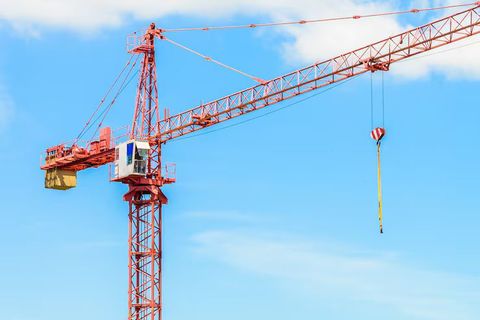
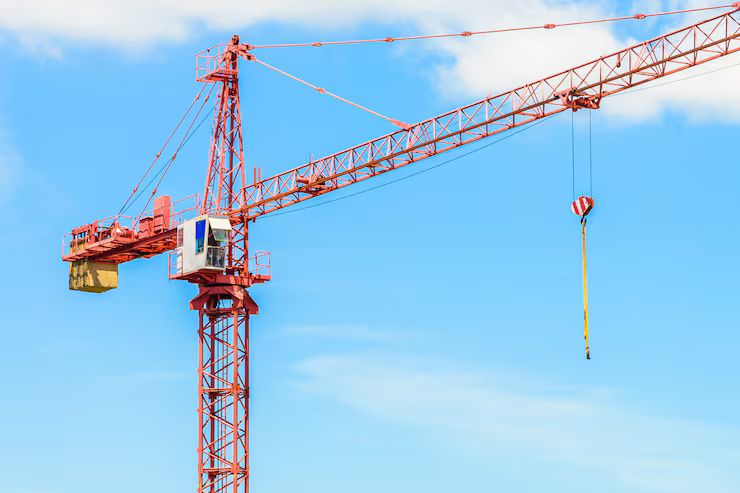
Tower cranes usually include several main components:
- A vertical tower structure
- A long horizontal arm called a jib
- A counterweight section
- A lifting hook and cable system
- An operator cabin or remote-control system
The crane rotates around its base, allowing materials to move in different directions across the construction site.
For example, during high-rise building construction, tower cranes transport steel frames and concrete materials from ground level to upper floors quickly and accurately.
Tower cranes are widely used because they combine height, lifting strength, and controlled movement in one machine.
Key Types or Categories
Tower crane machines come in several types depending on project size, lifting requirements, and construction conditions.
Hammerhead Tower Cranes
Hammerhead cranes are one of the most common crane types in construction projects.
They feature:
- A horizontal jib
- A trolley system for moving loads
- Strong lifting capacity
- Stable operation
These cranes are commonly seen in skyscraper construction.
Luffing Jib Tower Cranes
Luffing jib cranes have an arm that moves upward and downward instead of remaining fixed horizontally.
This design is useful in crowded urban areas where space is limited.
Advantages include:
- Better movement control
- Reduced space requirements
- Improved operation near nearby buildings
Self-Erecting Tower Cranes
Self-erecting cranes are smaller and easier to assemble.
They are often used for:
- Residential construction
- Medium-height buildings
- Short-term projects
These cranes can fold and unfold automatically, simplifying setup procedures.
Flat Top Tower Cranes
Flat top cranes do not have the traditional top structure above the jib.
This design simplifies transportation and assembly while reducing height-related restrictions.
They are often used in projects involving multiple cranes working close together.
Important Subsections
Tower Structure
The tower structure supports the crane and provides height.
It is built using strong steel sections connected together during assembly.
As construction progresses upward, additional tower sections may be added to increase height.
Jib and Counter Jib
The jib is the long horizontal arm used to move materials.
The counter jib holds counterweights that balance the crane during lifting operations.
This balance is essential for safe and stable performance.
Hoist System
The hoist system controls lifting and lowering operations.
It uses cables, drums, and motors to move materials vertically.
Modern hoist systems allow precise movement for accurate material placement.
Operator Controls
Tower cranes may use:
- Operator cabins
- Remote-control systems
- Digital monitoring systems
- Automated positioning technology
These controls improve lifting accuracy and operational safety.
How It Works
Tower crane machines operate through a combination of mechanical movement, balance systems, and lifting controls.
Step 1: Crane Installation
Construction teams assemble the crane at the project site.
The base is secured firmly to the ground or concrete foundation to ensure stability.
Large cranes are assembled section by section using additional lifting equipment.
Step 2: Material Attachment
Workers attach materials to the crane hook using strong lifting accessories such as chains or slings.
The load must remain balanced before lifting begins.
Step 3: Vertical Lifting
The hoist motor lifts the material upward using steel cables.
The operator carefully controls speed and movement during lifting.
Step 4: Horizontal Movement
The crane rotates while the trolley moves along the jib.
This allows materials to travel across the construction site.
For example, steel beams may move from a storage area directly to an upper-floor installation point.
Step 5: Material Placement
The operator lowers the material carefully into position.
Construction workers then secure the materials before disconnecting the lifting equipment.
This process repeats continuously throughout the project.
Benefits and Advantages
Tower crane machines provide many important advantages for construction and industrial projects.
Efficient Heavy Lifting
Tower cranes can handle extremely heavy materials that are impossible to move manually.
This improves construction speed and efficiency.
High Reach Capability
Tall structures require lifting systems capable of reaching upper floors safely.
Tower cranes provide the height needed for skyscrapers and large infrastructure projects.
Improved Material Movement
Materials can move across wide construction areas quickly and accurately.
This reduces delays and improves workflow organization.
Better Construction Productivity
Continuous lifting operations help workers complete tasks faster.
Projects involving large amounts of steel and concrete especially benefit from tower crane operations.
Strong Stability
Tower cranes are designed for stability during heavy lifting.
Counterweights and reinforced foundations help maintain balance during operation.
Versatility
Tower cranes support many different industries and project types, including:
- Commercial construction
- Residential buildings
- Bridge projects
- Industrial facilities
- Infrastructure development
Real-World Examples or Applications
Tower cranes are widely used in modern infrastructure projects around the world.
High-Rise Building Construction
Skyscraper projects rely heavily on tower cranes for transporting steel structures, concrete materials, and glass panels to upper floors.
Without tower cranes, tall building construction would become far more difficult and time-consuming.
Bridge Construction
Bridge projects often require lifting heavy steel sections over rivers, highways, or valleys.
Tower cranes help position these components accurately during assembly.
Industrial Facilities
Factories and industrial plants use tower cranes during equipment installation and facility expansion projects.
Heavy machinery and structural components can be lifted into place safely.
Residential Development
Large apartment complexes and residential towers also use tower cranes for transporting construction materials efficiently.
Self-erecting cranes are especially common in medium-sized residential projects.
Stadium and Infrastructure Projects
Major stadiums and transportation projects involve massive steel and concrete structures.
Tower cranes help move these materials during assembly and construction.
Important Factors to Understand
Several important factors influence tower crane performance and construction safety.
Load Capacity
Each crane has a maximum lifting capacity.
Exceeding this limit may create dangerous operating conditions.
Operators must understand load restrictions carefully.
Wind Conditions
Strong wind affects crane stability and lifting accuracy.
Construction teams monitor weather conditions closely during crane operations.
Ground Stability
The crane foundation must remain stable and properly reinforced.
Weak ground conditions may affect safety and performance.
Maintenance and Inspection
Regular inspection helps identify mechanical wear and operational issues.
Important inspection areas include:
- Steel cables
- Motors
- Structural components
- Safety systems
- Electrical controls
Proper maintenance improves reliability and operational safety.
Operator Training
Tower crane operators require specialized training and experience.
Accurate control and safety awareness are essential during lifting operations.
Future Trends and Industry Insights
Tower crane technology continues evolving with improvements in automation, safety, and digital monitoring.
Smart Crane Systems
Modern cranes increasingly use digital monitoring systems to track:
- Load weight
- Wind conditions
- Movement accuracy
- Equipment performance
These systems improve operational awareness and safety.
Remote Operation Technology
Some tower cranes now support remote-control operation.
Operators can manage lifting activities from safer and more comfortable environments.
Automation and AI Integration
Artificial intelligence may improve lifting precision and workflow planning in future construction projects.
Automated positioning systems can help reduce human error during material placement.
Eco-Friendly Construction Equipment
Construction companies are focusing more on energy-efficient machinery and reduced environmental impact.
Future cranes may include cleaner power systems and improved energy management technology.
Advanced Safety Features
Modern tower cranes continue adding:
- Collision prevention systems
- Load monitoring sensors
- Stability tracking systems
- Emergency response controls
These features help improve safety in busy construction environments.
Conclusion
Tower crane machines play a major role in modern construction and heavy material handling. Their ability to lift, move, and position heavy materials at great heights makes them essential for skyscrapers, bridges, industrial projects, and infrastructure development.
Different crane types support different construction environments, from crowded urban projects to large industrial sites. Features such as strong lifting capacity, stability, and advanced control systems help improve construction efficiency and workflow organization.
As construction technology continues evolving, tower cranes are becoming smarter, safer, and more efficient. Understanding how these machines work provides valuable insight into the systems that support modern infrastructure and large-scale building projects worldwide.