Can Sealing Machines: Guide to Types, Working Principles, and Industrial Applications
Can sealing machines play an important role in modern packaging and manufacturing industries.
Sealing things well is what these machines do, locking metal or aluminium containers shut without gaps. Air stays out. So does dampness, dirt, maybe even tiny unseen particles. Factories making drinks or meals rely on them - also those mixing chemical blends or crafting medicines. A weak seal causes trouble they cannot afford.
A tight seal on a container keeps what's inside tasting fresh, lasts longer on shelves, yet handles bumps and drops better in transit. If the closure fails, contents risk going bad early, plus suffer harm while moving through supply chains.
From tiny workshops to massive factories, today's can sealers do the job fast. Speed meets accuracy when these machines step in. Automation takes over so big batches move smoothly without hiccups. Quality stays steady run after run. Handling volume becomes less of a burden, more of a routine.
Understanding the Concept
Sealing cans begins with machinery built just for fastening lids tight. Pressure squeezes the edge while moving parts spin the can into place. Rolling bands press metal together so nothing slips out. A firm closure forms through steady force and turning motion.
Usually, the seal links lid to container using what's known as double seaming. Instead of just pressing parts together, this method bends both the can and lid rims into one snug fit. A tight fold like this keeps contents safe by locking moisture and air out. What results is a firm bond made without glue or welds.
Take canned juice, veggies, soup, or powders - someone opened them only after a sealing machine locked the lid at the factory. A tight seal often means machinery did the job before it hit shelves. Most of these containers were shut tight by automated tools long before reaching hands. Machines press lids closed, keeping contents safe until first use. The closure you break? Likely set in place by an industrial sealer earlier. Before any person touches them, machines have already secured the package shut.
These machines are commonly used in:
- Food packaging plants
- Beverage manufacturing units
- Chemical processing industries
- Pharmaceutical packaging facilities
- Industrial product packaging lines
Some can sealers need a person to run them. Others work with just a little help from workers. Full machine control kicks in when output must stay high.
Key Types and Categories
Some sectors pick specific can sealers depending on how much they produce, what shape the containers are, also their daily demands. Equipment choice shifts when output grows or packaging changes. Machines adapt where speed matters more than size sometimes. Container type often guides which model fits best into a workflow. Production volume pushes firms toward automated systems rather than manual ones. Needs change, so tools must follow along without delay.
Manual Can Sealing Machines
Starting by hand, each machine needs someone right there to run it. A person sets the can in place, then guides every step of closing it. From beginning to end, human touch runs the show.
These machines are often suitable for:
- Small production setups
- Training environments
- Limited packaging operations
Most of them fit in small spaces while staying straightforward to use.
Semi Automatic Can Sealers
One hand feeds the box, machines handle the tape every time. Sealing kicks in once you set it down. These units split work between person and system. Effort shifts after placement - push then pause.
A hand sets the can in place. After that, the machine handles the seal without help.
Finding their place across mid-sized factories, these setups mix steady output with hands-on management. While keeping pace with demand, they still allow room for oversight. Not too fast, yet never slow, they adapt without losing grip. Their rhythm suits operations that need both flow and attention.
Automatic Can Sealing Machines
Machines run on their own, dealing with big batches while people step back. These systems push through heavy output without needing constant oversight.
These systems can:
- Feed cans automatically
- Position lids accurately
- Complete sealing rapidly
- Move finished containers along production lines
Factories that handle big volumes of drinks and snacks rely on machines that run by themselves. These systems pack products without needing people to guide every move.
Vacuum Can Sealing Machines
Sealed tight, vacuum machines pull out air first. Freshness lasts longer once oxygen is gone. With less exposure inside, food stays good much further down the line.
Vacuum sealing is commonly used for:
- Coffee packaging
- Powdered food products
- Specialty food items
Nitrogen Flush Sealing Machines
Nitrogen takes the place of oxygen inside each container prior to closing it.
Moisture and oxidation can damage delicate items, so nitrogen steps in to block those risks. Premium drinks along with snack items frequently rely on this kind of wrap. What hides inside stays fresh because air gets pushed out by gas.
Important Subsections
Double Seaming Technology
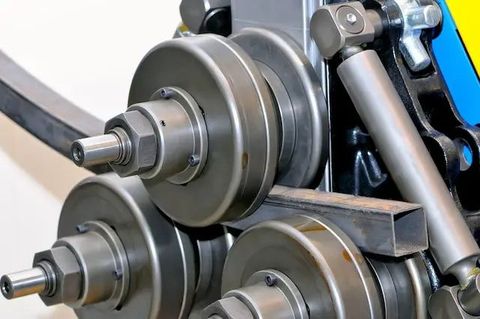
Twisting shut. That’s what happens when the lid meets the can wall through double seaming. Rollers step in, pressing one piece into the other - lockstep, smooth. The rim bends first, then tucks under itself like a loop closing. Tightness comes from pressure shaping both parts as one.
A properly formed seam helps prevent:
- Leakage
- Air entry
- Contamination
- Product spoilage
A strong seam means the package holds up when handled. How well it's sealed decides whether contents stay protected during transport. Weak spots often show up right where pieces join together. The tighter the bond, the less chance something slips out later.
Conveyor Integration
From one station to the next, cans travel steadily on conveyors. These moving belts link up with heavy-duty equipment used in production. Instead of stopping, containers keep flowing through filling spots, then head into closing areas. After that, labels go on before boxes take them away.
Because of this connection, tasks move faster through the system. Efficiency climbs when steps link smoothly together.
Material Compatibility
Can sealing machines work with various container materials, including:
- Aluminum cans
- Tin-plated steel cans
- Composite containers
Sealing pressure can shift depending on the material involved. Machine adjustments often follow what the substance demands. One size never fits all when heat meets surface. Settings respond to thickness, not guesswork. Pressure changes if the sheet resists or gives easily. Each run adapts - no two materials act the same.
Speed and Production Capacity
Industrial machines vary greatly in output capacity.
A handful of compact machines manage just hundreds of cans each hour - meanwhile, sprawling setups powered by automation push past thousands in that window. Though modest rigs inch forward slowly, their industrial cousins sprint ahead without pause.
Usually, what needs producing decides which machine gets picked.
How It Works
The can sealing process follows several important steps.
Can Filling Initiated
A single portion of liquid, powder, or solid slips into the vessel at the start. Whether it’s juice, medicine, cleaning fluid, or granules, each fills the space without delay.
Filling too little or too much can throw off how well the seal holds. When amounts stay steady, seals follow suit.
Lid Placement
A small cover settles gently over the brim of the packed container. The seal slips into place after the metal rim catches hold. Overhead, a cap lowers just enough to meet the edge. Once seated, it stays fixed above the full tin. Pressure keeps it shut once alignment is exact.
Lids land on containers in motion when machines handle the loading automatically. Speed meets precision through these feeding mechanisms that never slow down.
Can Positioning Step Three
A metal container rolls toward where it will be closed up tight. There, a machine locks its top on firm. After that step finishes, the sealed unit shifts forward again.
Spinning gently, the sealing head moves as the base plate keeps the can steady throughout.
First Seaming Operation Step Four
A spinning wheel bends the rim of the lid at the start. This motion joins the edges into a tight curl.
A first crease kicks off how the metal sheets lock together. The bend sets tension across both surfaces. One edge meets the next through that shaped turn. Contact takes hold where they press at angles. Pressure builds as the form shifts into place.
Second Seaming Step
A bit more pressure comes from the second roller. It squishes the joint shut for good.
Now the lid locks shut, keeping everything inside safe. The closure holds tight against leaks or spills. Air cannot get through once it clicks closed. Nothing sneaks in after sealing begins. Pressure seals the edges completely. A firm barrier forms right away. Protection starts the moment it shuts.
Inspection and Output
Faults or leaks get checked inside the closed cans.
Once checked, boxes head off - to get tagged, tucked away, or sent out. Containers shift next, depending on where they need to go. Some pause for labels; others slip into holding spots. A few roll straight toward loading zones.
Benefits and Advantages
Can sealing machines provide several important advantages for industrial packaging operations.
Product Protection
Kept safe through tight closure, items stay untouched by outside conditions.
Kept safe, the item stays stable while sitting on shelves or moving around. Stability holds firm when shipping or waiting because of this shield.
Improved Shelf Stability
Airtight storage keeps food tasting better, lasting weeks instead of days. Sealing out air slows spoilage, locking in original texture. Containers shut tight mean fewer trips to replace stale items. Freshness holds strong when moisture stays put, blocked from escaping. Quality remains high if outside elements are kept at bay.
Food and drink containers need extra care above all.
High Production Efficiency
Out there, machines handle tons of containers without slowing down. One after another, they move fast through each step. Not a pause in sight - just steady motion doing the work.
Fewer holdups happen on packing belts when production gets more efficient. Machines move faster, so bottlenecks shrink without extra effort.
Consistent Packaging Quality
Every container gets the same tight seal when machines handle the job. A steady rhythm runs through each one, no matter how many pass by. With every turn, consistency shows up without needing a second look.
Staying steady keeps packaging dependable, while also shaping how polished it looks. What matters is showing up the same way every time, which builds quiet trust through appearance alone.
Reduced Product Waste
Leakage might happen if the seal fails. Spoilage follows when outside air sneaks in.
Sealing done right means fewer broken items showing up later. Waste slips away quietly when the seal holds firm through manufacturing.
Better Industrial Workflow
From start to finish, sealed units help machines work together during fill, pack, move steps.
Smooth running in factories stays easier because of this.
real world examples and applications
Across global sectors, can sealers find their place. Machines that close cans show up nearly everywhere work happens.
Food Processing Industry
Food manufacturers use sealing machines for products such as:
- Soup
- Vegetables
- Fruit products
- Seafood
- Powdered ingredients
Sealed tight, food stays fresh longer. Locked away from air, tastes hold on better. Without leaks, what you store keeps its character. Freshness sticks around when nothing sneaks in.
Beverage Manufacturing
Beverages like soda, juice, or energy formulas often come in cans made of aluminum. Though some prefer bottles, many brands choose this metal container for its lightweight feel. A fizzy drink might sit on a shelf inside one of these shiny sleeves. Flavored liquids, whether sweet or tart, find their way into similar packaging too. Even non-carbonated options sometimes appear in such metallic wraps.
Faster bottling lines keep drinks flowing without long pauses. Machines seal containers quickly so work never stalls.
Chemical Industry
Industrial chemicals and specialty compounds are often packed in sealed metal containers.
Packaging that stays sealed lowers chances of spills while moving goods.
Pharmaceutical Packaging
Sealed metal containers protect certain medicines from getting damp or dirty. These tins keep sensitive drugs safe by locking out air and germs. A tight seal matters most when handling delicate compounds. Moisture might ruin a batch if the barrier fails. Metal holds up better than plastic in harsh conditions. Each container must fit precise standards before holding medicine inside.
Fine seals matter a lot where conditions are tough.
Pet Food Industry
Sealing cans? That’s what pet food makers often do when packing wet meals. Machines handle the closure process most times during production runs. Wet food goes into containers, then lids get secured tightly by automated units. These systems help keep contents fresh until opened later at home. Most brands rely on such methods for their packaged animal diets.
Kept clean because it locks out contaminants. A tight closure means contents stay protected over time.
Key Things to Know
Several factors influence can sealing performance and packaging quality.
Seam Quality Inspection
Regular seam inspection is essential for detecting defects.
A weak joint might let fluids escape or enter unwanted substances.
Fine details like seam thickness catch a lot of attention during production. Closeness matters just as much as how parts line up together. Watchful eyes track each measurement closely, one after another.
Machine Maintenance
Machines run better when care follows a steady pattern.
Important maintenance tasks include:
- Cleaning components
- Checking rollers
- Inspecting moving parts
- Monitoring alignment
- Lubricating mechanical systems
Over time, care keeps things running right. A machine treated well tends to work when needed most.
Production Volume Requirements
Choosing a machine usually comes down to what the production requires.
Some smaller sites might go for tight-fit machines that still need a hand now then. Big plants? They tend to run full-throttle gear that hardly stops once started.
Operator Training
Knowing how machines work matters for those running them. Safety steps must be clear before starting any task. Checking equipment regularly helps avoid problems later.
When workers learn correctly, machines run safer plus seals stay even. A well-taught team prevents mishaps while keeping connections tight.
Container Compatibility
Not every can fits the same; switching types means tweaking the setup. Some changes come with new shapes, others follow different build materials.
Most of the time, makers set up equipment to fit exact box sizes.
future trends and industry insights
Can sealing technology continues evolving with industrial automation and packaging innovation.
Smart Automation Systems
Modern packaging lines increasingly use intelligent monitoring systems.
Faults in sealing show up fast when sensors team up with digital oversight. Precision climbs as these systems work together behind the scenes.
Energy-Efficient Equipment
Fresh off the factory floor, new equipment uses less power without slowing output. Efficiency stays high even as electricity demands drop. Machines now balance lower energy needs with steady workflow speed. Power savings come through smarter design rather than cutting corners. Production lines keep moving just as fast but sip instead of gulp resources.
Energy-efficient systems support sustainable industrial operations.
Faster Production Lines
Faster sealing machines emerge as more customers want them. Demand pushes makers to speed things up. New models appear because buyers expect quicker results. Machines evolve when people need efficiency. What once felt fast now seems slow. Progress happens quietly behind factory walls.
Faster machines let factories handle more work without losing accuracy.
Improved Packaging Safety
Fresh efforts push ahead in how sectors manage cleanliness. Still, new ways of blocking pollutants keep taking shape across fields.
Future sealing systems may include more advanced inspection and monitoring technologies.
Flexible Packaging Integration
Some newer equipment adjusts easily between various can dimensions along with different pack types. Machines today often switch tasks depending on container size or how items get boxed. Different models manage several kinds of tins while also adapting to distinct wrapping styles. Today's systems frequently deal with diverse cans plus alternative case setups.
When demands shift, this setup adjusts just as fast - handling different products without missing a beat.
Conclusion
Sealing machines sit quietly at the heart of today's factories. These devices guard what’s inside by locking freshness in tight. Their job keeps packages looking sharp from warehouse shelves to front doors. Efficiency grows when each container seals fast without fuss. From food lines to medical supplies, they handle it all behind the scenes.
One machine after another has shifted from hand-driven setups to smart, self-running assembly chains. Because of this change, factories handling food prep, drink bottling, medicine making, chemical mixing - among others - now move faster. Sealing methods like double seams lock cans shut tight. Vacuum packs suck out air before closing containers up. Nitrogen fills empty spaces inside packages so contents stay fresh longer.
Nowadays, as factories automate more tasks, can sealers keep getting quicker, sharper, doing more with less. Knowing what kinds exist, how they operate, where they fit into production lines gives companies an edge - tighter seals, smoother runs across today’s assembly floors.