Explore Plastic Processing Machines: Types, Functions, and Industrial Applications
Plastic materials are part of everyday life. From packaging containers and automotive components to household tools and medical equipment, many products rely on plastic materials. Behind the production of these items are specialized industrial systems known as plastic processing machines.
Plastic processing machines transform raw plastic materials into usable shapes and components. These machines apply heat, pressure, and mechanical force to mold plastic into various forms. Industries use these machines to create products that are lightweight, durable, and adaptable to many different uses.
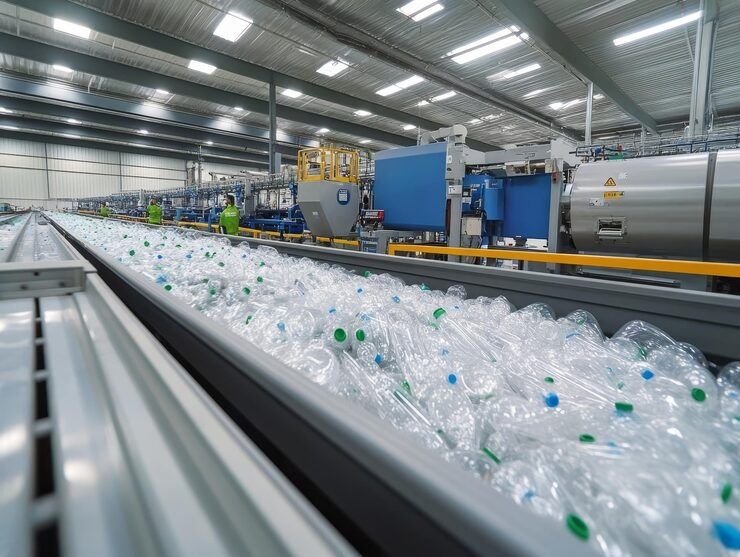
Modern manufacturing environments rely heavily on plastic processing technology. Efficient machines allow industries to produce large volumes of products while maintaining consistent quality. Understanding how these machines operate helps explain how everyday plastic products are created.
Understanding the Concept
Plastic processing machines are industrial equipment designed to convert raw plastic materials into finished or semi-finished products. The raw material usually comes in the form of small plastic pellets or granules.
The process generally involves three main stages:
- Heating the plastic material until it becomes soft or molten
- Shaping the material into a specific form
- Cooling the material so it solidifies into the desired structure
Different machines use different techniques to achieve this transformation. Each technique is suited for specific product shapes and production volumes.
Plastic materials such as polyethylene, polypropylene, polyvinyl chloride, and polystyrene can be processed using specialized machines. These materials are widely used because they are durable, lightweight, and resistant to moisture and chemicals.
Industries often integrate plastic processing machines with high precision manufacturing equipment, industrial automation systems, and plastic molding technology to maintain production consistency and efficiency.
Key Types or Categories
Several types of plastic processing machines exist, each designed for particular manufacturing needs.
Injection Molding Machines
Injection molding machines are among the most commonly used systems in plastic manufacturing. These machines produce detailed and complex plastic parts.
The process works by injecting molten plastic into a closed mold. After the material cools, the mold opens and the finished product is removed.
Common products created using injection molding include:
- Bottle caps
- Plastic containers
- Automotive interior parts
- Electronic device housings
- Medical equipment components
Injection molding machines are widely used in high-volume manufacturing environments where consistent product shape is essential.
Extrusion Machines
Extrusion machines produce long, continuous plastic shapes. The molten plastic is pushed through a shaped opening called a die.
The plastic emerges in a specific profile and then cools to maintain that shape.
Products created with extrusion include:
- Plastic pipes
- Window frames
- Plastic sheets
- Cable insulation
- Tubing
Extrusion technology is important in industries that require continuous plastic structures.
Blow Molding Machines
Blow molding machines are designed to create hollow plastic objects.
The process involves inflating heated plastic inside a mold. Air pressure pushes the plastic against the mold walls, forming the final shape.
Typical blow molded products include:
- Beverage bottles
- Storage containers
- Fuel tanks
- Cosmetic containers
Blow molding is widely used in the packaging and consumer goods industries.
Thermoforming Machines
Thermoforming machines heat plastic sheets until they become flexible. The heated sheet is then shaped using a mold.
Once the plastic cools, it retains the shape of the mold.
Common thermoformed products include:
- Food packaging trays
- Disposable containers
- Blister packaging
- Protective plastic covers
Thermoforming is widely used in packaging and product display industries.
Rotational Molding Machines
Rotational molding machines create hollow plastic products without applying high pressure.
The mold rotates slowly while heated plastic coats the inside surface. As the material cools, it forms a uniform hollow structure.
Typical rotational molding products include:
- Water tanks
- Playground equipment
- Industrial containers
- Storage bins
This process is useful for producing large hollow products with consistent thickness.
How It Works
Although each machine type uses a different method, most plastic processing systems follow a similar sequence of steps.
Step 1: Raw Material Preparation
Plastic materials usually arrive in pellet or granule form. These pellets are placed into a hopper, which feeds the material into the machine.
Step 2: Heating the Material
The plastic pellets move through a heated chamber or barrel. Heat and mechanical motion soften the material until it becomes molten plastic.
Step 3: Shaping the Plastic
Once melted, the plastic is shaped using one of several techniques:
- Injection into molds
- Pushing through a die opening
- Inflating inside a mold
- Forming against heated molds
The shaping stage determines the final form of the plastic product.
Step 4: Cooling and Solidification
After shaping, the plastic must cool to retain its structure. Cooling may occur using air, water channels, or cooling plates built into the machine.
Step 5: Product Removal
Once the plastic has hardened, the finished item is removed from the mold or cutting system. Some machines automatically repeat the process for continuous production.
Many modern factories combine plastic processing machines with industrial automation equipment, precision manufacturing systems, and advanced production technology to maintain efficiency.
Benefits and Advantages
Plastic processing machines play a major role in modern manufacturing due to their efficiency and versatility.
Key advantages include:
- Ability to produce complex shapes
- High production efficiency
- Consistent product quality
- Suitable for large-scale manufacturing
- Flexible design possibilities
Additional practical benefits include:
-
Material Efficiency
Plastic can be shaped with minimal waste compared to many traditional materials. -
Lightweight Production
Plastic products are often lighter than metal or glass alternatives. -
Durability
Many plastics resist corrosion, moisture, and chemicals. -
Design Flexibility
Manufacturers can create detailed shapes and intricate designs.
Because of these advantages, plastic processing technology remains essential across many industrial sectors.
Real-World Examples or Applications
Plastic processing machines support numerous industries around the world.
Packaging Industry
Plastic packaging is widely used for food, beverages, and consumer products.
Common items include:
- Bottles
- Containers
- Protective packaging
- Storage trays
Blow molding and thermoforming machines are widely used in this sector.
Automotive Manufacturing
Vehicles contain many plastic components because plastic materials are lightweight and durable.
Examples include:
- Dashboard panels
- Interior trims
- Air duct components
- Electrical housings
Injection molding machines are often used to produce these parts.
Medical Equipment
Plastic materials are important in medical environments because they can be molded into precise shapes.
Examples include:
- Syringe components
- Diagnostic device housings
- Laboratory containers
These items require highly controlled manufacturing processes.
Construction Materials
Plastic processing machines also produce construction materials such as:
- Plastic pipes
- Insulation materials
- Window profiles
Extrusion technology plays a major role in producing these building components.
Consumer Goods
Everyday household products rely on plastic manufacturing systems.
Examples include:
- Storage boxes
- Kitchen tools
- Toys
- Electronic device casings
These products demonstrate the wide range of uses for plastic processing equipment.
Important Factors to Understand
Several factors influence how plastic processing machines operate effectively.
Material Selection
Different plastic materials behave differently when heated and molded. Manufacturers must select materials that match the intended product function.
Temperature Control
Plastic must be heated carefully. Too much heat can damage the material, while insufficient heat can prevent proper molding.
Mold Design
Molds determine the final shape of the product. Accurate mold design ensures proper dimensions and smooth surfaces.
Production Speed
Machines must balance speed with quality. Extremely fast production may affect product consistency.
Maintenance and Equipment Care
Regular equipment inspection helps ensure stable production. Proper machine care also extends equipment lifespan and prevents unexpected production interruptions.
Understanding these factors helps maintain efficient plastic manufacturing processes.
Future Trends and Industry Insights
Plastic processing technology continues to evolve as industries look for improved efficiency and sustainability.
Several emerging trends are shaping the future of plastic manufacturing.
Smart Manufacturing Systems
Factories increasingly integrate plastic processing machines with automated monitoring systems and advanced production equipment. These systems track machine performance and help maintain consistent output.
Recycled Plastic Processing
Industries are exploring methods to process recycled plastics efficiently. New machines are designed to handle recycled materials while maintaining product quality.
Energy-Efficient Equipment
Modern machines are designed to reduce energy usage during heating and production cycles.
Advanced Material Development
New plastic materials with improved strength, flexibility, and heat resistance are expanding the range of applications.
Precision Manufacturing
Improved mold technology and machine control systems allow manufacturers to create more detailed plastic components.
These developments are helping plastic processing technology adapt to changing industrial demands.
Conclusion
Plastic processing machines are essential tools in modern manufacturing. These machines transform raw plastic materials into the wide range of products used in everyday life.
Different machine types such as injection molding systems, extrusion machines, blow molding equipment, thermoforming machines, and rotational molding systems each play a unique role in shaping plastic materials.
The process typically involves heating plastic pellets, shaping the molten material, cooling it, and removing the finished product. This efficient production method supports industries such as packaging, automotive manufacturing, construction, healthcare, and consumer goods production.
As manufacturing technology continues to advance, plastic processing machines are becoming more efficient, precise, and adaptable. Innovations in automation, material science, and energy-efficient production methods will likely shape the next generation of plastic manufacturing systems.
Understanding how these machines work provides valuable insight into the industrial processes that create many of the plastic products used every day.