CNC stands for Computer Numerical Control. It refers to machines that follow digital instructions to cut, shape, drill, or form materials with very high accuracy.
Instead of being controlled entirely by human hands, these machines follow programmed instructions that guide their movements. This makes production faster, more precise, and more consistent.
CNC technology is widely used in industries such as automotive manufacturing, aerospace engineering, electronics production, and metal fabrication. From small metal components to complex machine parts, CNC machines help create items that require exact measurements.
Understanding how CNC machines work helps explain why they are such an important part of modern manufacturing.
Understanding the Concept
At its core, a CNC machine is a manufacturing tool controlled by digital instructions. These instructions guide the machine’s movement along different directions to cut or shape materials.
The instructions are written as a numerical program, which tells the machine exactly how to move and what operations to perform.
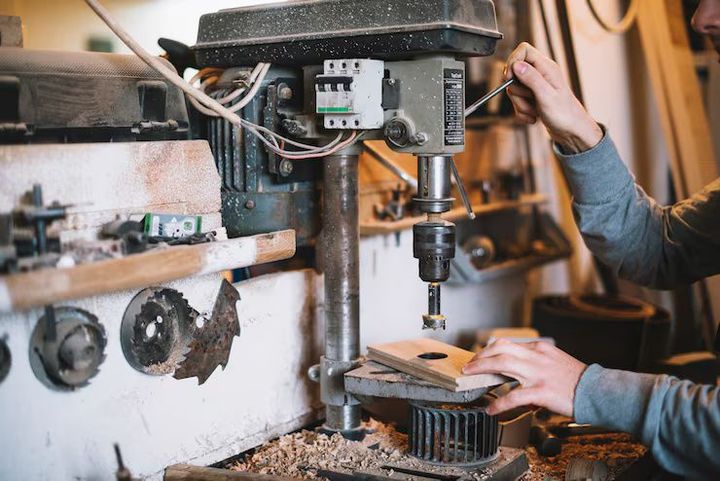
Traditional manual machines rely on an operator turning wheels, adjusting tools, and guiding the cutting process. CNC machines automate these actions.
The key idea behind CNC technology includes:
-
Precision control
-
Automated machine movement
-
Repeatable manufacturing processes
For example, imagine creating hundreds of identical metal brackets. With manual machining, every piece might be slightly different depending on the operator's adjustments. CNC machines follow the same programmed instructions every time, producing consistent results.
This consistency is one reason CNC technology is widely used in modern production environments.
Key Types or Categories
There are several types of CNC machines, each designed for specific manufacturing tasks. These machines vary based on the type of cutting tool and the kind of movement they perform.
CNC Milling Machines
CNC milling machines are among the most common types.
They use rotating cutting tools to remove material from a workpiece. The machine moves the tool across the material to create shapes, slots, holes, or surfaces.
Common uses include:
-
Metal part production
-
Mechanical components
-
Industrial equipment parts
CNC Lathes
CNC lathes operate differently from milling machines.
In this type of machine:
-
The material rotates
-
A cutting tool moves along the surface
This process shapes cylindrical parts such as shafts, bolts, and rings.
Typical applications include:
-
Automotive components
-
Pipe fittings
-
Mechanical shafts
CNC Laser Cutting Machines
Laser cutting machines use a highly focused beam of light to cut materials.
The laser melts or burns through materials with extreme precision. This method works well for thin metals, plastics, and other materials.
Common applications include:
-
Sheet metal cutting
-
Decorative metal designs
-
Electronic components
CNC Plasma Cutting Machines
Plasma cutting machines use electrically charged gas to cut through conductive metals.
This technology is often used for thicker metal sheets where laser cutting may be less effective.
Industries using plasma cutting include:
-
Heavy equipment manufacturing
-
Metal structure fabrication
-
Shipbuilding
CNC Router Machines
CNC routers are widely used for cutting softer materials.
These machines commonly work with:
-
Wood
-
Plastic
-
Foam
-
Composite materials
They are often used in furniture production, sign making, and architectural components.
Important Subsections
Multi-Axis CNC Machines
Some CNC machines operate along multiple movement directions.
Basic machines move along three axes:
-
X-axis – left and right movement
-
Y-axis – forward and backward movement
-
Z-axis – up and down movement
Advanced machines may include additional axes, allowing more complex shapes and angles to be created.
Automated Tool Changes
Many modern CNC machines include tool-changing mechanisms.
This means the machine can automatically switch between different cutting tools during a manufacturing process.
For example, one tool may drill holes while another shapes surfaces.
Precision Measurement Systems
CNC machines often include sensors that monitor the position of tools and materials. These systems help maintain accuracy throughout the machining process.
Main Parts of a CNC Machine
CNC machines contain several essential components that work together to perform precise machining tasks.
Key parts include:
Machine Frame
The frame provides the structure that supports all machine components. It must be strong and stable to maintain accuracy during operation.
Control Panel
The control panel allows operators to enter machining instructions and monitor machine performance.
This panel includes:
-
Display screens
-
Input controls
-
Operation indicators
Drive Motors
Drive motors move the machine along its axes. These motors control the exact position of the cutting tool during machining.
Cutting Tool
The cutting tool performs the actual material removal.
Different tools are used for various operations, such as:
-
Drilling
-
Cutting
-
Shaping
-
Engraving
Worktable
The worktable holds the material being processed. Clamps or fixtures keep the material stable during machining.
How It Works
CNC machines follow a step-by-step process to create parts.
Step 1: Creating a Digital Design
The process begins with a digital design of the part that needs to be manufactured. This design defines the exact dimensions and shape of the component.
Step 2: Converting the Design into Machine Instructions
The design is converted into numerical instructions that guide the machine.
These instructions specify:
-
Tool movement
-
Cutting depth
-
Speed of operations
Step 3: Preparing the Machine
The operator prepares the machine by:
-
Installing the correct cutting tools
-
Securing the material on the worktable
-
Loading the instruction program
Step 4: Automated Machining
Once the process begins, the machine follows the programmed instructions.
The cutting tool moves along the required paths while removing material step by step.
Step 5: Final Inspection
After machining is complete, the finished component is checked for accuracy and quality.
This ensures the part meets the required specifications.
Benefits and Advantages
CNC machines provide several important advantages in modern manufacturing.
High Precision
CNC machines can produce extremely accurate parts. This precision is important for industries where exact measurements matter.
Consistent Results
Because the machine follows programmed instructions, each manufactured piece remains consistent.
Increased Efficiency
Automated machining allows production to continue with minimal manual adjustments.
Ability to Create Complex Shapes
CNC machines can create shapes that would be difficult or nearly impossible to produce manually.
Reduced Human Error
Automation helps reduce mistakes that can occur during manual machining.
Real-World Examples or Applications
CNC technology plays a major role in many industries.
Automotive Manufacturing
Car manufacturers use CNC machines to produce engine components, transmission parts, and braking systems.
These parts require extremely precise measurements.
Aerospace Engineering
Aircraft components must meet strict safety standards.
CNC machining helps create parts such as turbine blades and structural components with high accuracy.
Medical Equipment Manufacturing
Medical tools and devices often require detailed designs and smooth surfaces.
CNC machining helps produce:
-
Surgical instruments
-
Orthopedic implants
-
Medical device components
Electronics Manufacturing
Small electronic components require precise machining.
CNC machines help create housings, connectors, and specialized mechanical parts.
Important Factors to Understand
When learning about CNC machines, several key factors are important.
Material Selection
Different materials behave differently during machining.
Common materials include:
-
Aluminum
-
Steel
-
Brass
-
Plastics
Each material requires different cutting speeds and tools.
Machine Maintenance
Regular maintenance helps ensure machines operate accurately and reliably.
Typical maintenance tasks include:
-
Lubricating moving parts
-
Inspecting cutting tools
-
Cleaning machine surfaces
Operator Knowledge
Even though CNC machines are automated, trained operators are still necessary.
They monitor machine operations, adjust programs, and ensure safety procedures are followed.
Future Trends and Industry Insights
CNC technology continues to evolve as manufacturing becomes more advanced.
Several trends are shaping the future of CNC machining.
Smart Manufacturing Systems
Modern factories are integrating machines with digital monitoring systems. This allows manufacturers to track machine performance and production efficiency in real time.
Advanced Multi-Axis Machining
Machines with additional movement directions allow even more complex parts to be produced with fewer setup steps.
Automation and Robotics
Robotic systems are increasingly used to load materials and remove finished components from CNC machines.
This improves production speed and reduces manual handling.
Improved Precision Technologies
New sensors and control systems continue to improve machining accuracy, making it possible to produce extremely detailed components.
Conclusion
CNC machines play a vital role in modern manufacturing. By using digital instructions to control machining operations, these machines achieve high precision and consistent production results.
Different types of CNC machines—including milling machines, lathes, routers, and laser cutters—are designed for specific manufacturing tasks. Each machine includes key components such as motors, cutting tools, control panels, and worktables that work together to perform precise operations.
The machining process begins with a digital design and ends with a finished component that meets exact specifications.
Across industries such as automotive manufacturing, aerospace engineering, electronics production, and medical equipment manufacturing, CNC machines help produce accurate and reliable parts.
As technology continues to evolve, CNC machining will remain an essential foundation of modern industrial production.