Agricultural Drone Systems: Uses, Benefits, and Modern Farming Solutions
Farming is changing faster than ever. New tools are helping farmers grow more food while using fewer resources. One of the most exciting innovations is the agricultural drone.
Floating above the fields, these gadgets give growers a clearer picture of their plants’ health. One after another, tasks like checking soil or spotting pests become simpler. Not only do they cover ground quickly, but they also cut down on time spent walking plots. From sunrise scans to evening reports, the machines adapt without slowing. Their presence changes how work unfolds across farmland. Step by step, old methods shift toward something more precise.
Flying above farms, little unmanned planes gather info or get jobs done. Pictures come from them, along with crop spraying and checking how plants feel. With weather shifts, less water, and fewer workers around, such machines start mattering more each day. Fields now see helpers that hover, watch, then act without a word.
Understanding the Concept
A machine that flies without a pilot helps on farms by moving across wide fields. Over open soil it captures details fast, sending them down below. This info guides choices - when to sow seeds, how much water to give, where pests might strike. Instead of guessing, those working the land rely on what the device sees from above.
Minutes replace hours when a drone flies over fields rather than boots on soil. Images appear where footsteps once measured growth. Trouble spots reveal themselves - patches too dry, leaves chewed by insects. Data flows before harvests hang in balance. Early warnings rise where silence used to rule.
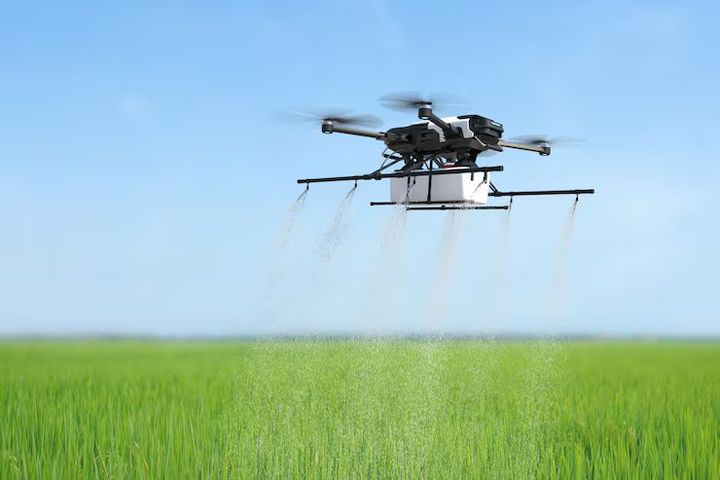
A single burst of mist cuts through the air, guided by quiet motors overhead. Instead of blanketing fields, targeted drops land exactly where needed. Because it moves on programmed paths, overspray fades into memory. Efficiency climbs when every drop counts, skipping what's unnecessary.
Key Types and Categories
From crop scouts to spray bots, drones take many forms in modern fields. One kind maps soil while another tracks plant health over time. Some fly low to water crops precisely instead of soaking entire areas. Each version serves a narrow job that fits into bigger farm routines. Knowing what each machine does makes their role clearer on working land.
1. Monitoring Drones
High above the crops, these drones carry cameras along with sensors. Over fields they move, snapping pictures so farmers can see how plants are doing.
2. Spray Drones
A machine that flies low moves across fields, releasing liquid feeds or bug blockers. Where wheels struggle, it glides without slowing down.
3. Mapping Drones
From above, small flying machines scan fields carefully. Because they do, changes in ground height appear clearly. Where dirt differs, it shows up too. When plants are strong or weak, the images reveal that. With these views, growing strategies become smarter over time.
4. Planting Drones
Planting seeds? Advanced drones handle that task too. These machines place each seed exactly where it needs to go, following a planned layout across the ground. Time saved adds up quickly when working large areas.
Important Subsections
Sensors and Cameras
Modern agricultural drone systems use advanced sensors. These sensors can detect:
- Crop health
- Soil moisture
- Temperature changes
- Plant diseases
Farmers can move fast when issues show up early, thanks to these findings.
GPS and Navigation
From above, drones follow precise paths thanks to GPS signals. Because of this, every part of the field gets reached without gaps.
Data Analysis
Out in the fields, drones gather information that gets turned into clear takeaways. Because of this, growers notice trouble spots early, then tweak how they work based on what shows up. A shift here or there follows naturally when the picture becomes clearer.
How It Works
Understanding how an agricultural drone works is simple when broken into steps:
- Planning the Flight
- From the ground, the farmer picks out a route with a handheld device. That path tells the machine exactly where to go overhead.
- Takeoff and Scanning
- Off the ground, the drone moves along its set path. While traveling, it snaps pictures or handles jobs such as applying spray.
- Data Collection
- Sensors gather information about crops and soil conditions during the flight.
- Data Processing
- Out of everything gathered, patterns start to show when checked closely. These spotted trends then turn into visuals or summaries that lay out what's really going on.
- Actionable Insights
- Farmers act on what they learn - maybe watering less or adding fertilizer. Sometimes changes come slowly, sometimes fast; it depends on the soil and weather that week. A shift in data might mean a change at dawn, boots already muddy before breakfast.
A single dry spot spotted by a drone means water goes just there, not everywhere else across the land.
Benefits and Advantages
Flying machines help farms work better. Because of what they do, farmers find good use for them today.
Improved Efficiency
- Cover large areas quickly
- Reduce manual labor
- Save time during inspections
Precision Farming
- Focus on particular spots rather than whole plots
- Apply resources only where needed
- Reduce waste
Better Crop Health Monitoring
- Detect problems early
- Identify diseases or pests
- Watch how plants grow on a routine basis
Resource Optimization
- Use water more efficiently
- Apply fertilizers in the right amount
- Minimize environmental impact
Increased Productivity
- Healthier crops lead to better yields
- Faster decision-making improves results
real world examples and applications
Flying robots now help growers everywhere tend their fields. Some crops get checked by air each day thanks to these tools. Machines that hover above soil do tasks once done on foot. From one edge of a plot to another, they move without stopping. Not every tool needs tires or fuel - some glide quietly overhead instead.
Crop Monitoring
Above the golden rows, a machine flies low, eyes fixed on struggling plants. Where growth slows, it sends silent signals back home. Out in the dirt, boots crunch toward trouble spotted from above. A closer look reveals tiny invaders beneath the leaves. Spotting them early keeps the rest of the field standing tall.
Precision Spraying
A single spot in the rice field draws the drone's attention. Where pests appear, that is where mist begins to fall. Only troubled zones feel the spray’s touch. Neighboring green stays untouched by design. Less chemical moves through air now. The machine skips wide, healthy stretches without pause. Nearby growth breathes free of residue.
Vineyard Management
Over fields of grapes, drones keep watch from above. Early signs of sickness show up clearly through their lenses. Care adjusts quickly when problems appear. Right treatment reaches each plant on time.
Irrigation Planning
Out in the fields, drones spot areas short on moisture. Because of these findings, watering setups get adjusted so less water flows where it is not needed.
Key Things to Know
Before using agricultural drone systems, there are several important points to consider.
Weather Conditions
When skies stay calm, drones work well. If wind picks up or rain pours down, they struggle to keep going.
Battery Life
Some drones stay airborne for just a short while. Because of that, smart route choices help reach more ground.
Skill and Training
Piloting a machine in the air starts with simple skills. To make it useful, those on farms learn flight handling along with reading results.
Maintenance
Flying right begins with routine checkups on the machine. Starting off, take a close look at the spinning blades, then move to the smart bits that sense surroundings - finish up by testing power packs.
Regulations
Flying drones follows different laws depending on where you are. Because of this, farmers need to stick to the rules nearby so everything runs without risk.
Future Trends and Industry Insights
Flying robots on farms might change how crops are grown. When gadgets get smarter, machines like these tend to follow - reaching more people over time.
Artificial Intelligence Integration
Flying robots can think on their own by using smart software. Because of that, answers come quicker while choices improve.
Automation
Out of nowhere, drones that run on their own will handle jobs without anyone guiding them step by step. Because they stick to timetables, these machines finish work all by themselves.
Advanced Sensors
Besides tracking crop health, new sensors can detect nutrient shortages. These devices respond to subtle changes in plant behavior too. Information flows continuously, offering insights into soil needs. Instead of guessing, farmers receive precise data on growing conditions. Stress signs appear earlier thanks to improved sensitivity. Nutrient imbalances show up clearly through real-time updates.
Swarm Technology
One drone alone can’t cover much ground. Yet when several fly in sync, fields get scanned quicker. Teamwork between machines cuts down inspection time across wide areas.
Sustainable Farming
Flying robots might just reshape how farms care for crops. Because they cut down on water plus chemicals, fields stay healthier longer.
Conclusion
Flying robots above fields change how food is grown today. With them, looking after plants becomes quicker, less messy too. Watching how crops grow happens easily now - spraying only where needed follows close behind. Choices about soil and harvests? Farmers shape those using fresh details each day.
Out in the fields, drones now crisscross the sky where tractors once ruled alone. As farms lean into numbers and patterns, these flying tools show up more often overhead. Efficiency climbs when eyes in the air spot what boots on the ground miss. Resources stretch further because watering or seeding hits only where needed. Productivity rises not by accident, but from constant watchful circuits above. What was once rare now feels ordinary among rows of crops reaching skyward.
One day soon, drones might reshape how farms operate. When machines take flight above fields, work gets done faster. Because these tools adjust quickly, crops receive what they need without waste. With change already starting, those who pay attention may find simpler ways forward. A different kind of farming could emerge - not just efficient but gentler on the land.