CNC Programming Guide: How CNC Machines Are Programmed
Modern manufacturing depends heavily on automation and precision. One of the most important technologies behind this transformation is CNC programming. CNC stands for Computer Numerical Control, a method used to guide machines through precise instructions.
CNC machines shape metal, wood, plastic, and other materials with extreme accuracy. Instead of manually controlling every movement, machines follow programmed commands that tell them where to move, how fast to move, and what cutting action to perform.
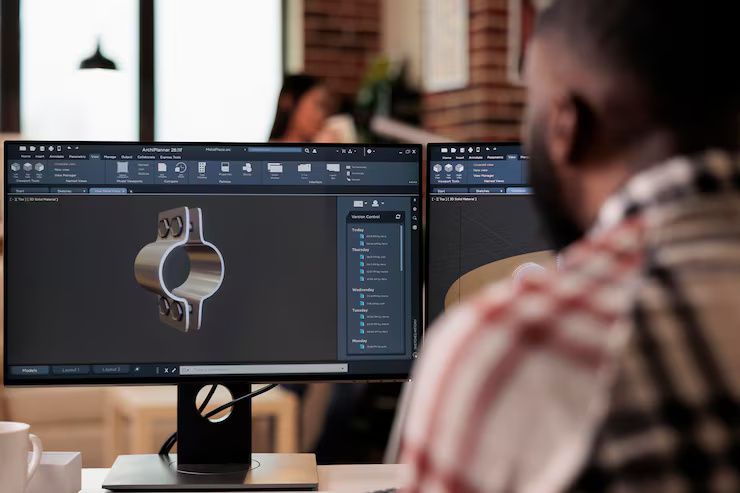
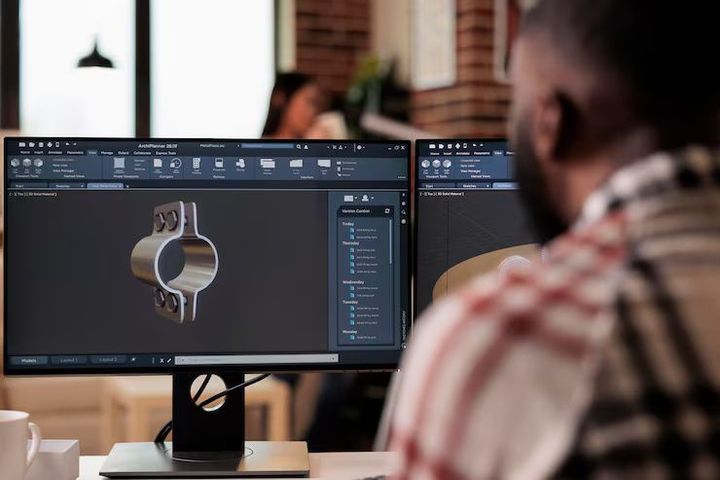
Understanding how these machines are programmed is useful for anyone interested in modern manufacturing, engineering, or technical production. Knowledge in this area often begins through cnc machinist training or machinist training programs that explain the basics of machine operations and programming logic.
This guide explains how CNC machines are programmed, how the process works, and why this skill is important in today’s production environments.
Understanding the Concept
CNC programming is the process of creating coded instructions that control machine movements. These instructions guide tools to perform tasks such as drilling, cutting, milling, shaping, or engraving.
Instead of relying on manual control, CNC machines follow digital instructions written in a specific programming language. These commands determine:
- Tool movement direction
- Cutting depth
- Speed of rotation
- Tool position
- Sequence of operations
The program acts like a detailed map that the machine follows step by step.
For example, imagine carving a complex shape into a metal block. A human operator would struggle to maintain consistent precision. However, a programmed machine can repeat the same process hundreds of times with identical accuracy.
Many individuals learn these skills through cnc programming training or cnc operator training programs that combine theory with practical machine operation.
Key Types or Categories
CNC machines come in several forms, and programming approaches can vary depending on the machine type.
Milling Machines
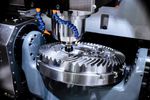
CNC milling machines remove material using rotating cutting tools.
They move across multiple axes to create shapes, grooves, or holes in materials such as aluminum, steel, or plastics.
Common capabilities include:
- Slot cutting
- Surface finishing
- Contour shaping
- Hole drilling
Programming for milling machines often includes precise tool paths that guide the cutting tool across the workpiece.
Turning Machines
Turning machines rotate the material while cutting tools shape the outer surface.
This method is commonly used for cylindrical parts such as:
- Shafts
- Bushings
- Bolts
- Pipes
Programming determines how the tool moves along the rotating material.
Multi-Axis Machines
Advanced CNC machines can move along multiple axes simultaneously.
These machines allow the creation of complex components used in industries such as aerospace, automotive manufacturing, and medical equipment production.
Multi-axis programming often requires deeper knowledge gained through cnc programming training or advanced machinist training.
Routing and Engraving Machines
CNC routers and engraving machines are commonly used with wood, plastics, and composite materials.
They create:
- Decorative patterns
- Signs
- Furniture components
- Panels
Programming instructions control cutting paths and depth for precise designs.
Important Subsections
Programming Languages Used
Most CNC machines follow a programming language commonly called G-code.
G-code contains instructions that control machine motion. Each command tells the machine how to move or perform a task.
Examples of instructions include:
- Move tool to a specific position
- Start or stop spindle rotation
- Control cutting speed
- Change tools
These commands form a sequence that guides the machine through the entire manufacturing process.
Role of the CNC Operator
A CNC operator monitors the machine during production.
Responsibilities often include:
- Loading raw material
- Checking machine setup
- Starting the program
- Inspecting finished components
- Ensuring machine accuracy
Training programs such as cnc machine operator training help individuals understand machine controls, safety procedures, and production workflows.
Learning Pathways
Many people begin learning this field through structured technical education.
Common learning pathways include:
- cnc machinist training
- machinist training programs
- cnc operator training
- cnc programming training
- certification programs such as cnc certification
These educational paths typically combine classroom instruction with hands-on practice using real machines.
How It Works
The CNC programming process follows several logical steps.
1. Designing the Part
The process begins with a design or blueprint of the component that needs to be produced.
The design includes:
- Dimensions
- Shape details
- Material type
- Tolerances (acceptable measurement limits)
2. Planning the Machining Process
Next, the machining strategy is planned.
This stage determines:
- Which tools will be used
- The order of cutting operations
- Cutting speeds and movements
Proper planning ensures efficiency and accuracy.
3. Writing the CNC Program
Once the machining strategy is defined, the instructions are written as a CNC program.
The program contains a sequence of commands that control:
- Tool movement
- Position changes
- Speed adjustments
- Tool switching
Each line of code represents a specific machine instruction.
4. Setting Up the Machine
Before running the program, the machine must be prepared.
Setup tasks include:
- Installing the correct cutting tool
- Securing the workpiece
- Calibrating the machine position
- Verifying measurements
5. Testing the Program
A test run is often performed before full production.
This allows the operator to check:
- Tool path accuracy
- Machine movement
- Potential errors
Adjustments may be made to ensure safe and accurate operation.
6. Running the Production Cycle
Once the program runs correctly, the machine performs the operation automatically.
The operator supervises the process and inspects the finished components.
Benefits and Advantages
CNC programming offers several advantages in modern manufacturing.
High Precision
Machines follow programmed instructions with extreme accuracy.
This ensures consistent results across many parts.
Repeatability
Once a program is created, the machine can repeat the process multiple times without variation.
This is essential for industries requiring identical components.
Improved Efficiency
Automation reduces manual intervention and speeds up production cycles.
Complex Geometry
CNC machines can produce shapes that would be extremely difficult to create manually.
Skill Development
Learning cnc programming opens the door to advanced technical knowledge related to machining and manufacturing technology.
Training programs such as cnc machinist training and cnc certification programs help build these specialized skills.
Real-World Examples or Applications
CNC programming plays a critical role in many industries.
Automotive Manufacturing
Automotive factories use CNC machines to create engine components, transmission parts, and structural elements.
The precision of CNC programming ensures proper fit and performance.
Aerospace Engineering
Aircraft components require extremely tight tolerances.
CNC machines manufacture:
- Turbine parts
- Structural frames
- Aircraft brackets
Precise programming helps maintain safety standards.
Medical Equipment
Medical instruments often require detailed machining.
CNC machines help create:
- Surgical tools
- Implant components
- Diagnostic equipment parts
Furniture and Woodworking
CNC routers are widely used in woodworking.
They create decorative panels, cabinet components, and furniture structures with consistent precision.
Electronics Production
Many electronic devices require small metal or plastic parts.
CNC machining ensures precise dimensions for connectors, housings, and structural frames.
Important Factors to Understand
Anyone exploring CNC programming should understand several key factors.
Machine Safety
Operating machining equipment requires strict attention to safety guidelines.
Important safety practices include:
- Wearing protective equipment
- Monitoring machine movements
- Maintaining a clean workspace
Accuracy and Measurement
Precision measurement tools are essential for verifying finished parts.
Common tools include:
- Calipers
- Micrometers
- gauges
Accurate measurement ensures that the produced component matches the design.
Material Characteristics
Different materials behave differently during machining.
Factors that influence machining include:
- hardness
- heat resistance
- cutting speed requirements
Understanding material behavior helps prevent tool damage and improves cutting performance.
Continuous Learning
Manufacturing technology continues to evolve.
Professionals often continue developing skills through cnc programming training and advanced machinist training programs.
Future Trends and Industry Insights
CNC technology continues to evolve as manufacturing becomes more advanced.
Several trends are shaping the future of CNC programming.
Automation Integration
Manufacturing facilities increasingly combine CNC machines with automated systems.
This allows continuous production with minimal manual supervision.
Smart Manufacturing
Modern production environments are adopting smart technologies that monitor machine performance and production data.
This improves efficiency and predictive maintenance.
Advanced Multi-Axis Machining
New CNC machines with additional axes allow more complex part creation.
These machines can complete intricate components in fewer steps.
Education and Skill Development
Training pathways such as cnc certification and cnc machine operator training continue to grow as industries require skilled professionals capable of working with advanced machinery.
Educational programs focus on combining programming knowledge with practical machining experience.
Conclusion
CNC programming plays a vital role in modern manufacturing. It allows machines to perform precise and repeatable operations that would be extremely difficult to achieve manually.
By creating detailed instructions, programmers guide machines through complex cutting and shaping processes. This technology supports industries ranging from automotive and aerospace to medical manufacturing and woodworking.
Learning this field often begins through cnc machinist training, machinist training programs, or cnc operator training. As knowledge grows, individuals may pursue advanced cnc programming training or cnc certification to deepen their understanding of machine control and production techniques.
As manufacturing technology continues to evolve, CNC programming remains one of the most important skills supporting precision engineering and automated production.