Gear Cutting Machines Guide: Types, Functions, and Benefits
Gears are essential parts of many machines we use every day. From cars and industrial equipment to watches and robotics, gears help transfer motion and power. But have you ever wondered how these gears are made so precisely?
Out of nowhere, gear cutting machines take center stage. Shaping teeth on wheels with precision, they keep things running without hiccups, lasting years under pressure. Not just CNC models but also fully automatic versions handle tasks once done by hand. Every variant matters, stepping up production when demand spikes.
Peering into what makes these machines tick might just shift your view on manufacturing and design. A glimpse behind their function reveals more than meets the eye when it comes to building things at scale. Their role? Often overlooked, yet central to how stuff gets made. Machines like these shape workflows without drawing attention. What lies beneath their operation ties directly to progress in factories and labs alike. Seeing them differently changes how you think about creation itself.
Understanding the Concept
Gear cutting shapes teeth onto a circular metal piece called a blank. Its purpose? Ensuring those teeth fit tightly with matching gears. Smooth movement comes from precise alignment during contact. Power moves efficiently when each tooth slides into place just right.
Tools made just for shaping gears help reach tight accuracy. A tiny flaw in the tooth shape might lead to rattling, shaking, or breakdowns later on.
One idea shapes metal using a template. Another method copies a pattern through motion control
- Accuracy: Teeth must be shaped exactly right
- Same every time: each piece must match perfectly so it works without fail
Out of today’s tools, those slicing gears inside gearboxes run on smart setups that keep results sharp, every single time. While precision stays high, repetition never wavers - each cut matches the last without drift.
Key Types and Categories
Some gear cutting tools fit certain jobs, depending on the shape of the gear they make. Different models handle different forms, built for particular purposes instead of general use. A few operate best with straight teeth, others work smoother with curved ones. Each machine follows a pattern matched to its role in shaping gears.
Hobbing Machines
Among everyday tools for shaping gears, these show up more than others. They do the job regularly across workshops worldwide.
- Use a rotating cutting tool called a hob
- Ideal for producing spur and helical gears
- Faster when making lots at once
Shaping Machines
Back and forth goes the cutter inside these machines.
- Suitable for internal and external gears
- Useful when hobbing is not possible
- Offers flexibility in gear design
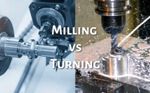
Milling Machines
Gear teeth are cut using a rotating cutter.
- Simple and versatile
- Often used for small-scale production
- Slower when making lots of items
Broaching Machines
A spinning head fitted with several sharp blades does the work here. Each edge slices material as it turns. The motion allows smooth removal of excess parts. Cutting happens faster because more than one tip touches the surface. This setup repeats the process without stopping.
- Frequently found inside machinery, these parts help transfer motion smoothly between components that fit within one another
- Produces high accuracy
- Fast process for specific applications
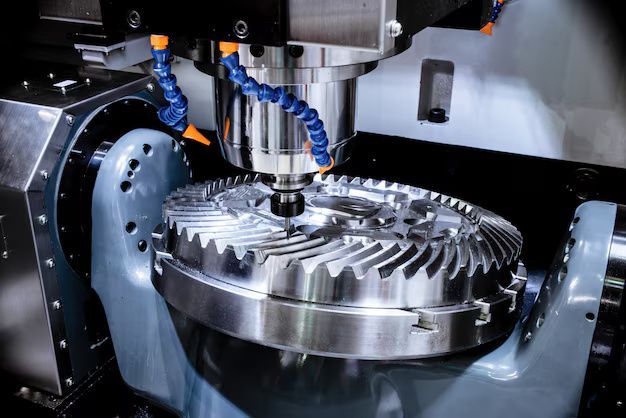
CNC Gear Cutting Machine
Computers handle the controls here, so accuracy improves. Precision comes from how the machine follows digital directions. With this setup, small errors fade away. Digital oversight makes each move exact.
- Exactly right every time, plus consistent in results
- Suitable for complex gear designs
- Reduces human error
Automatic Gear Cutting Machine
Builds on its own, needing little handwork. Still runs smooth when left alone.
- Increases production speed
- Ensures consistent quality
- Ideal for continuous manufacturing
Important Subsections
Gear Materials
Different materials are used depending on application:
- Steel for strength and durability
- Aluminum for lightweight applications
- Plastic for low-noise environments
Types of Gears Made
Gear cutting machines can produce:
- Spur gears (straight teeth)
- Helical gears (angled teeth)
- Bevel gears (cone-shaped)
- Spinning slowly, worm gears handle heavy loads. Twisting tightly, these parts push force efficiently. Built strong, they manage big power tasks quietly. Turning steadily, their design controls intense motion
Precision Levels
The quality of a gear depends on:
- Tooth alignment
- Surface finish
- Dimensional accuracy
How It Works
The gear cutting process follows a series of steps:
- Preparing the Gear Blank
- A disc of metal gets picked first, then trimmed to fit. Next comes smoothing its edges by hand.
- Mounting the Blank
- A firm hold keeps the blank set on the machine.
- Selecting the Cutting Tool
- A different pick fits each kind of gear. Which one works depends on what's being used.
- Cutting the Teeth
- The machine removes material to form teeth.
- Finishing Process
- Smooth finishes can improve how the part works. Sometimes it gets a special coating instead.
- Inspection
- After the last piece turns, workers inspect it closely. A second look follows to confirm everything meets standards. Only when flawless does it move forward.
A CNC gear cutting machine handles nearly all those stages by itself, guided by coded commands. Each run turns out just like the last.
Benefits and Advantages
Gear cutting machines provide several important benefits:
- High Precision
- Smooth gears run better when friction fades away. Tiny shifts inside last longer if stress drops low. Moving parts stay quiet because tension slips out. Less grinding means each turn feels lighter than before
- Consistency
- Each gear fits the blueprint exactly. Built right, every time. Precision shapes each piece. What you see is what works. Design drives production. Every item meets specs without fail
- Efficiency
- Out of metal chunks, machines shape gears at speed. While one part moves, another takes its place without pause. Each rotation brings a fresh piece into position. This flow never seems to slow down. Gears stack up faster than hands could ever manage
- Versatility
- Different machines can create various types of gears
- Reduced Manual Effort
- Systems that cut gears automatically need less help from people
- Improved Performance
- Well-cut gears lead to quieter and more efficient machines
real world examples applications
Gear cutting machines appear in various fields. Take transportation, for instance - there they shape parts that keep systems moving. Factories rely on them when building machinery needing precise motion control. In energy production, these tools help craft components for turbines and generators. Even aerospace uses such equipment to make flight-critical elements. Medical device manufacturing benefits too, where accuracy matters most
Automotive Industry
Smooth driving starts with how gears move inside a car. Machines shaped for slicing gearbox parts make sure each tooth fits just right, so shifts feel effortless. Precision comes alive when metal meets motion in exact patterns.
Manufacturing Equipment
Gears move parts inside factories, guiding how machines operate. When they fit just right, equipment runs longer without failing.
Robotics
Smooth movement in robots depends on how well parts work together. Because of this, strong gears make a difference in performance.
Aerospace
Gears need to work just right inside planes. A tiny mistake might mess up how safe or well it runs.
Consumer Products
Gears inside gadgets such as washing machines, timepieces, because they rely on spinning parts, often come from specialized shaping devices. Power-driven equipment? Same story - precise toothed wheels arrive thanks to dedicated metal-sculpting setups.
Key Things to Know
When working with or selecting gear cutting machines, several factors should be considered:
Machine Accuracy
Exactness shapes how well gears work. Performance shifts when accuracy improves.
Production Volume
Large-scale output fits certain machines more naturally - small runs suit different ones entirely.
Material Compatibility
Some tools work better with certain stuff. One size does not fit all when it comes to handling materials.
Maintenance Requirements
Staying on top of maintenance keeps things running well over time. A little care now prevents bigger issues later.
Skill Level Required
Some high-tech tools, such as computer-controlled gear cutters, often need skilled people to run them.
future trends and industry insights
Gears keep changing, shaped by fresh tech arriving step by step. While machines adapt slowly, progress pushes forward without pause.
Automation Growth
More often now, machines handle gear cutting tasks automatically. Less hands-on effort is needed because of this shift. Efficiency gets a boost as operations run smoother.
Smart Manufacturing
Faster checks happen when machines link up using digital networks. Control improves because signals move without delay between devices.
Improved Precision
Faster tools now help machines guess right more often.
Energy Efficiency
These days, gadgets need less power but still work just as well.
Customization
Gears built for one job at a time - that is where makers are putting their effort now. Specific uses shape how they design each piece. Custom fit matters more than ever before. Purpose drives production choices today.
Out front, these shifts hint at how long gear cutting machines will matter in today's building and making of parts. Though quiet behind the scenes, their place stays firm amid new changes across shops and designs.
Conclusion
Gears take shape through special equipment found on factory floors. These tools carve accurate tooth patterns so machinery runs without hiccups. Starting a new paragraph here.
One step beyond old-school techniques, modern gear cutters rely on CNC precision to stay sharp and steady. Without constant human touch, automated setups keep parts flowing while lifting standards across runs.
Built for cars, robots, or factory systems, gear-cutting tools keep moving parts working as they should. With time, tech shifts push these machines to adapt, matching what today’s production lines require.