In many industries, accurate cutting determines the quality of the final product. For example, automobile parts, construction materials, and electronic components all require precise shapes and measurements. Without reliable cutting tools, producing these parts would take much longer and mistakes would be more common.
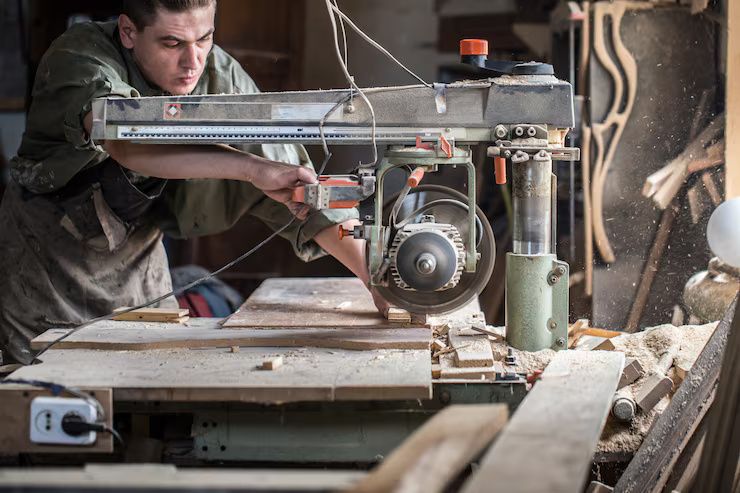
Today, many manufacturing facilities use advanced industrial cutting machines to improve efficiency and maintain consistent results. Understanding how these machines work and where they are used can help readers better understand modern production systems.
Understanding the Concept
Industrial cutting machines are specialized mechanical tools designed to cut or shape materials into specific sizes and forms. They use different methods such as heat, pressure, or sharp edges to separate materials.
The main goal of these machines is precision. A cutting tool must follow exact measurements to produce identical parts repeatedly. This level of accuracy is especially important in industries like aerospace, automotive manufacturing, and electronics.
Industrial cutting equipment can process a wide variety of materials, including:
-
Metal sheets
-
Steel plates
-
Plastic components
-
Wooden panels
-
Fabric materials
-
Composite materials
Some machines operate using physical blades, while others rely on advanced technologies such as lasers or high-pressure water streams.
Because of these different methods, manufacturers choose machines based on the type of material and the level of accuracy required.
Key Types or Categories
Several types of industrial cutting machines are widely used in manufacturing environments. Each type is designed for specific materials and production requirements.
Laser Cutting Machines
Laser cutting machines use a highly focused beam of light to cut through materials. The laser produces intense heat that melts or vaporizes the material along the cutting line.
Key characteristics include:
-
Extremely precise cutting results
-
Smooth and clean edges
-
Suitable for thin metal sheets, plastics, and acrylic materials
Laser cutting technology is widely used in electronics, automotive components, and precision metal fabrication.
Water Jet Cutting Machines
Water jet cutting machines use a very high-pressure stream of water to cut materials. In many cases, small abrasive particles are added to increase the cutting power.
Important features include:
-
No heat generation during cutting
-
Suitable for thick metals, stone, and glass
-
Reduced risk of material distortion
Industries such as aerospace and construction often rely on water jet cutting for materials that must remain structurally stable.
Plasma Cutting Machines
Plasma cutting machines are designed mainly for conductive metals. They use a high-temperature plasma arc to melt metal along the cutting path.
Advantages include:
-
Fast cutting speed
-
Effective for steel and aluminum
-
Ideal for heavy metal plates
Plasma cutting is commonly used in shipbuilding, metal fabrication workshops, and structural engineering projects.
Mechanical Cutting Machines
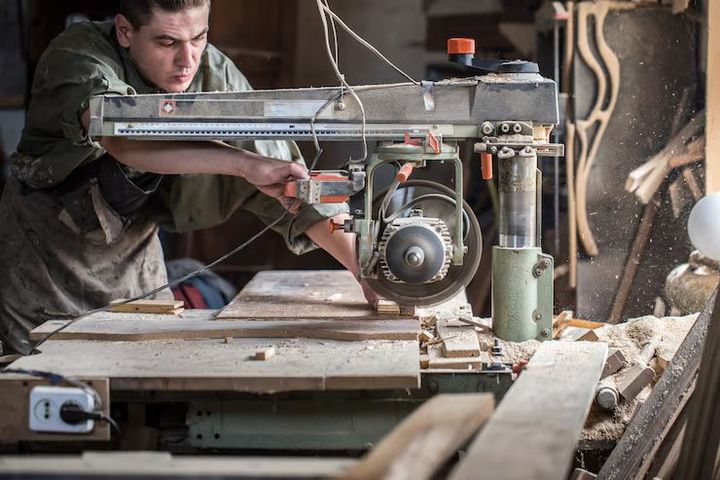
Mechanical cutting machines use physical tools such as blades, saws, or shears. These machines are among the oldest forms of cutting equipment in manufacturing.
Common examples include:
-
Band saw machines
-
Circular saw systems
-
Metal shearing machines
Mechanical cutting remains important for woodworking, metal shaping, and basic industrial fabrication tasks.
How It Works
Although each cutting technology works differently, the general process follows a similar sequence.
Step 1: Material Placement
The material is placed on a stable cutting table. Accurate positioning ensures the cutting path follows the correct measurements.
Step 2: Measurement and Alignment
Operators or automated systems define the cutting pattern. The machine then aligns the cutting tool with the material surface.
Step 3: Cutting Operation
The cutting tool begins its work. Depending on the machine type, the cutting process may involve:
-
A sharp blade slicing through the material
-
A laser beam melting the surface
-
A plasma arc cutting through metal
-
A high-pressure water stream separating layers
Step 4: Precision Control
Modern industrial cutting machines use advanced control systems to maintain accurate movements. These systems guide the cutting head along the correct path.
Step 5: Finished Part Removal
Once the cutting process is complete, the shaped components are removed and prepared for the next stage of manufacturing.
This systematic approach ensures consistent quality and efficient production.
Benefits and Advantages
Industrial cutting machines provide several practical advantages for manufacturing operations.
High Precision
Modern cutting technologies allow manufacturers to produce parts with extremely accurate dimensions. This is especially important for industries that require tight tolerances.
Faster Production
Automated cutting systems can process materials much faster than manual methods. This improves productivity in large-scale manufacturing environments.
Consistent Results
Machines follow programmed instructions, which helps maintain uniform results across large production batches.
Reduced Material Waste
Accurate cutting patterns help reduce unused material. This improves resource efficiency in manufacturing facilities.
Versatility
Many cutting machines can handle multiple material types. This flexibility allows manufacturers to adapt to different production needs.
Real-World Examples or Applications
Industrial cutting machines are used in many sectors of modern industry.
Automotive Manufacturing
Car manufacturers use cutting machines to produce parts such as:
-
Body panels
-
Engine components
-
Structural frames
Precise cutting ensures that each component fits perfectly during assembly.
Construction Industry
Construction materials such as steel beams and metal sheets must be cut into specific sizes. Industrial cutting equipment helps prepare these materials for building projects.
Aerospace Engineering
Aircraft components require extremely accurate shapes and dimensions. Advanced cutting technologies help maintain strict quality standards.
Electronics Manufacturing
Small electronic parts often require detailed cutting patterns. Laser cutting systems are commonly used to shape thin metal layers and circuit components.
Textile Production
In textile factories, automated cutting machines help shape fabrics for clothing and upholstery production.
These real-world examples highlight how cutting machines support many essential industries.
Important Factors to Understand
Several important considerations influence the selection and operation of industrial cutting machines.
Material Type
Different materials require different cutting technologies. For example:
-
Thick metals may require plasma cutting
-
Delicate materials may benefit from laser cutting
-
Heat-sensitive materials may use water jet cutting
Precision Requirements
Industries with strict measurement standards often prefer high-precision cutting methods such as laser technology.
Production Volume
Large-scale manufacturing facilities often use automated cutting systems to handle high production volumes.
Maintenance and Machine Care
Regular machine maintenance helps ensure consistent performance. Clean cutting tools and properly calibrated systems improve accuracy and reliability.
Operator Knowledge
Understanding how machines function helps operators achieve better results and maintain safe working conditions.
Future Trends and Industry Insights
Industrial cutting technology continues to evolve as manufacturing becomes more advanced.
Several trends are shaping the future of cutting equipment.
Increased Automation
Many factories are adopting automated cutting systems that operate with minimal manual intervention. Automation improves efficiency and reduces production errors.
Improved Precision Technology
Advances in laser and plasma technology continue to improve cutting accuracy. This allows manufacturers to create increasingly complex components.
Smart Manufacturing Systems
Industrial cutting machines are increasingly integrated into smart manufacturing environments. These systems monitor machine performance and adjust operations automatically.
Energy Efficiency Improvements
Modern cutting machines are being designed to use energy more efficiently while maintaining high performance.
These innovations are helping industries produce higher-quality products while improving operational efficiency.
Conclusion
Industrial cutting machines are essential tools in modern manufacturing. They allow industries to shape materials with speed, accuracy, and consistency.
Different cutting methods—including laser, plasma, water jet, and mechanical systems—provide solutions for a wide range of materials and applications. Each technology offers unique advantages depending on the production requirements.
From automotive manufacturing to aerospace engineering, cutting machines support many industries that rely on precise components and reliable production processes.
As manufacturing technology continues to advance, industrial cutting machines will likely become even more precise, efficient, and integrated into modern production systems. Understanding how these machines work helps highlight their importance in today's industrial world.