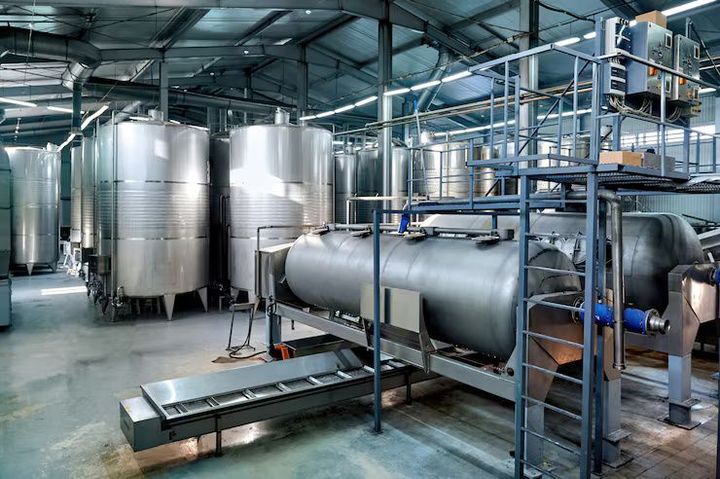
Milk Cooling Tanks Explained: Benefits, Types, Insights
Milk is a highly perishable product. Once it leaves the animal, its quality begins to change quickly. Without proper cooling, bacteria can grow rapidly, affecting taste, safety, and overall quality. This is where milk cooling tanks become essential.
Right after milking, the liquid needs chilling fast. These storage units handle that job well, holding the cold steadily till pickup or next steps. On farms large and small, they help guard quality day after day. Cleanliness stays intact because temperatures stay low. Without them, spoilage would start too soon.
For anyone who handles milk - whether on a farm, in production, or just wondering - knowing what kinds of tanks exist and how they function makes it clearer why freshness lasts so long. Freshness doesn’t happen by accident. Each design plays a role. Some cool fast. Others hold steady temps for hours. The result? Milk moves without spoiling. Details matter most when taste and safety are at stake. Learning about systems behind storage reveals quiet importance in everyday routines.
Understanding the Concept
Built for one job - holding fresh milk right after it leaves the cow - a cooling tank drops heat fast. Its mission? Get the liquid down to about 4 degrees Celsius without delay, using steady cold instead of speed tricks. Temperature shifts happen in hours, not minutes, thanks to insulated walls working overtime. Cold settles in, while warmth escapes slowly through thick barriers designed to last.
Here’s why it matters.
Fresh milk offers a cozy home for tiny life forms when warmth lingers. Yet cold air changes the game, putting the brakes on their rise. People in dairy work call this shift chilling - simple name, big role. Without that cool drop, things go sideways quickly.
Most of these tanks use stainless steel, thanks to its toughness along with simple cleaning and strong resistance to pollutants. Cold stays inside, since insulation blocks outside warmth from getting in.
A milk cooling tank works much like a big fridge, only built just for keeping milk cold. It runs quietly in barns where cows are kept. The machine pulls heat away fast after milking ends. Cold storage here slows spoilage right after collection. Temperature stays steady inside its thick walls. This setup helps farmers store larger amounts before transport. Efficiency shows up most during warm days. Keeping milk cool quickly makes a real difference later.
Key Types and Categories
Some milk cooling tanks are big, others small - shape and how they chill matter just as much. Depending on the farm's size, one kind might fit better than another.
1. Bulk Milk Cooling Tanks
Most dairy farms go for these kinds. What shows up again and again here is what works on the ground. You see them everywhere - same types, same setup. Familiar faces in a world of routines and milk pails. Not flashy. Just doing the job day after day.
- Designed to store large quantities of milk
- Fitted with self-regulating chill units
- Stirring tools go inside so heat spreads evenly. These mixers move stuff around without stopping. Inside, motion prevents hot spots from forming. Constant movement ensures one temp throughout. Equipment runs while blending happens nonstop
Farms pumping out lots of milk find bulk tanks work best.
2. Direct Expansion Cooling Tanks
In this type:
- Cooling pipes are directly attached to the tank walls
- Pipes carry the refrigerant, cooling milk fast. Cold fluid moves inside metal tubes, dropping temperature without delay. This liquid runs through channels, chilling dairy rapidly. A steady stream slips along pathways, reducing warmth immediately. The coolant travels via conduits, bringing down heat swiftly
Speed matters here, so farms big or mid-sized often go this route. Efficiency kicks in right away once things roll.
3. Ice Bank Cooling Tanks
These tanks use stored ice to cool milk.
- Ice forms around cooling pipes during off-peak hours
- When cooling's required, the saved ice treats milk to a frosty dip
Built to save power, it runs smoothly even when the grid cuts out partway through the day. Despite spotty service, performance stays steady thanks to low demand on resources.
4. Open Type Milk Cooling Tanks
- Opening the lid happens by hand when needed
- Easier to access for cleaning and inspection
- Suitable for small farms
5. Closed Type Milk Cooling Tanks
- Fully sealed systems
- Better hygiene and contamination control
- Found often in today’s milk farms
Important Subsections
Temperature Control System
When milk hits the right chill, a built-in sensor keeps watch. Temperature holds steady on its own after hitting the target. The machine adjusts without help once things settle.
Agitation Mechanism
Now stirring begins, slow and steady inside the tank. Warm spots could linger where movement doesn’t reach.
Insulation Layer
Inside stays cool because the wrapper blocks outside warmth. That stability means the milk does not react to room changes.
Cleaning System
After every use, some newer tanks get cleaned by machines inside them. Water flows through, along with cleaning liquids, removing leftover bits. This keeps things sanitary without needing much human work.
How It Works
Milk flows into the tank, then chilling begins right away. Cold temperatures slow bacteria growth, keeping freshness intact. A compressor powers refrigeration, moving coolant through coils. Stirring blades mix liquid evenly so no warm spots remain. Insulated walls hold cold air inside without escaping. Temperature drops steadily until preset levels are reached. Once cooled, milk stays stored safely till collection arrives
- Milk Collection
- Fresh milk comes straight from milking, then flows into the storage container. It moves without delay after leaving the animal. The liquid travels through sealed tubes to keep it clean. Once inside, cooling begins right away. Temperature drops quickly to preserve freshness. This step happens immediately every time. Cleanliness stays high throughout the transfer. No outside contact takes place during filling.
- Initial Cooling
- Right away, once milk hits the tank, cooling kicks in. Because refrigeration pulls warmth out fast.
- Rapid Temperature Drop
- Cooling the milk fast brings it close to 4°C. That chill helps limit bacteria from spreading.
- Continuous Mixing
- Stirring things up slowly helps spread the cold evenly across the liquid. Milk stays smooth when motion never quits.
- Temperature Maintenance
- After cooling, the tank holds steady warmth while waiting for milk movement or next steps.
- Cleaning Cycle
- Once the milk drains out, a rinse follows - either by machine or hand scrubbing. Cleaning kicks off right after the last drop leaves the tank.
Every day, the same routine spins through most milk farms.
Benefits and Advantages
Cooling milk right after milking keeps it fresh longer. These tanks stop bacteria from growing too fast. Freshness stays locked in when temperatures drop quickly. Dairy farms rely on steady cooling to meet safety rules. Without cold storage, quality slips within hours. Machines handle the chill so farmers avoid spoilage. Keeping milk cool means fewer losses at pickup time. Every degree matters once the tank seals shut.
Improved Milk Quality
- Rapid cooling preserves freshness
- Reduces bacterial growth
- Still tastes like it should, nothing added. The way things stay matches how they started. What you get is what was there before
Better Hygiene
- Stainless steel construction prevents contamination
- Closed systems protect milk from external elements
Longer Storage Time
- Milk can be stored safely for extended periods
- Transport shifts fit changing timelines, while handling keeps pace without fixed routines
Energy Efficiency
- Modern systems are designed to use energy efficiently
- Ice bank systems help reduce power consumption during peak hours
Steady Practices in Milk Farming
- Maintains uniform quality across batches
- Staying compliant becomes easier when rules are followed. Meeting requirements happens naturally through consistent practice. Industry benchmarks get achieved without extra effort. Regulations align with daily operations over time
real world examples and applications
Fresh milk gets stored in big chillers on many kinds of farms.
Small Dairy Farms
Freshness matters most when handling milk on compact farms. One by one, the animals are milked, their output moving straight into a wide cooling container. Right after filling, chilling begins without delay. Because temperature drops fast, spoilage stays away. Collection crews arrive later, finding the liquid still clean and cool.
Large Dairy Farms
Farms on a big scale rely on hefty cooling units that work automatically. Because they manage huge amounts of milk, hands-on effort stays low.
Milk Collection Centers
Farmers out in the countryside bring their milk to one shared spot. Because freshness matters, those spots use cooling tanks to keep things fresh until trucks take the milk away. The chill keeps spoilage at bay while waiting for the next step.
Dairy Processing Units
Fresh from the farm, milk sits in chilled tanks - this step keeps it good before turning into things such as cheese or yogurt.
Milk cooling tanks appear again and again across each step of the dairy journey. Their presence shapes what happens next in quiet but steady ways.
Key Things to Know
When working with milk cooling tanks, several factors must be considered to ensure proper operation.
Capacity Requirements
A milk tank works best when its capacity fits how much milk you get each day. Too tiny, it could spill over during filling. On the flip side, one that's oversized tends to waste space and energy.
Cooling Speed
Quick cooling helps keep milk fresh. Once collected, the liquid needs a fast drop in heat. Equipment must handle rapid chill right after pickup.
Cleaning and Maintenance
Cleaning often stops things getting dirty. When machines handle it, the job takes less effort.
Energy Consumption
Some tanks need more power than others. Picking one that uses less energy can make daily operations smoother.
Installation Environment
Where you put the tank makes a difference. Situated in a spot that stays clear and out of sunlight works best, keeping unwanted warmth and dirt away.
Future Trends and Industry Insights
Fresh changes sweep through dairies while cooling methods quietly catch up. Milk stays colder faster now, riding shifts nobody saw coming.
Smart Monitoring Systems
Sensors inside today’s tanks track heat levels as they happen. When a problem shows up, the crew gets a signal right away.
Energy-Efficient Designs
Fresh blueprints aim to cut down on electricity needs without losing strength. That matters a lot where outlets are scarce.
Automated Cleaning Solutions
Now showing up in more places, advanced cleaning setups help keep things germ-free while cutting down on hands-on work.
Sustainable Practices
Fresh attention turns toward greener ways to stay cool. Alongside that come upgrades like tighter building shells paired with fridges that sip less power.
Connecting With Dairy Farm Software
Freshness checks get easier when cooling tanks link up with farm software. Milk stays safer because temperature and quality logs move smoothly between systems.
Fresh ways of chilling milk are popping up thanks to smarter tools. Machines now handle the cool-down process with fewer hiccups. What once took time and guesswork runs smoother today. Clever updates in gear help farms keep pace without extra strain. Efficiency climbs when systems think ahead. Reliability grows not by chance, but design.
Conclusion
Freshness begins right after milking, thanks to cooling tanks on today's farms. Right away, temperature drops, keeping spoilage at bay while preserving taste and cleanliness.
Cold slows bacteria. That is how these tanks keep milk safe. They hold steady temperatures. Freshness stays longer because of it. Some models fit tiny dairies. Others handle big production lines. Size changes function. Each farm picks what fits its flow. Machines adapt to workload, not the reverse. Milk moves from cow to container without losing quality. Design follows purpose here. Every type has a role. Nothing works everywhere. Matching tank to output matters most.
It’s clear why these systems matter on modern dairy farms once you see what they actually do. Because tech keeps evolving, ways to cool milk are likely to shift toward smarter energy use, simpler upkeep, later maybe lower waste too.
Freshness slips fast when chill fades. Tanks step in, steadying the cool so spoilage slows. Reliability roots here - no guesswork, just steady drops in temperature holding quality firm.