Farm Automation Machines: Types, Benefits, and Modern Farming Solutions
Farming has changed a lot over the years. Today, modern tools and smart machines help farmers grow more crops with less effort.
Farm automation machines go by that name now. With high-tech tools inside, they handle jobs people used to do by hand.
Farm work changes when machines take over tasks, opening doors to better harvests while cutting down hours spent in fields. Since more people need food but fewer show up for farm jobs, gadgets that plant, feed, or gather crops start showing up everywhere across farmland. Machines quietly reshape how farming works - fewer delays, steadier results, less strain on workers.
Understanding the Concept
Farm tools powered by tech do field jobs on their own or need almost no people. Starting early at dawn, they drop seeds into soil without pause. Water flows when sensors say it is time instead of waiting for a person. Harvesting happens as robots move row after row near sunset. Watching plant health becomes constant through smart devices built right in.
Most times, machines handle tasks that are dull or tricky, freeing up time for thinking ahead. These tools often rely on signals from satellites, detectors, along with smart tracking to get things right.
A single sensor might decide when fields need drinking, triggering a flow only if the earth feels too dry. Machines take over what hands used to do, cutting waste while roots get exactly what they crave. When the ground holds enough, valves shut without anyone touching them.
Key Types and Categories
1. Automated Tractors
Out in the fields, machines roll forward on their own, guided by satellite signals. These tractors handle tasks like tilling soil, dropping seeds, along with moving across plots repeatedly. Instead of sitting behind a wheel all day, growers manage actions remotely via screens and software tools. Less hands-on watching means more time for planning what comes next.
2. Smart Irrigation Systems
Water levels in the ground get checked by these tools, along with the sky's behavior. When moisture runs low, hydration kicks in without waiting - no guesswork involved.
3. Harvesting Machines
Out in the fields, today’s harvesters move fast, grabbing crops without slowing down. Right there on the go, certain models separate dirt from food, plus they tidy things up mid-harvest.
4. Drone Technology
Floating high, drones keep an eye on fields below. Images come through instantly - showing how plants are doing, where bugs have shown up, even if the soil is drying out.
5. Robotic Planters
Planting seeds just right is what these machines do. Spacing matters, so does how deep they go - better crops start here.
6. Livestock Automation Systems
Farms use machines for more than just planting. When it comes to caring for animals, tech handles meals, milk collection, along with checking health.
Important Subsections
Sensor-Based Monitoring
Tiny tools sit right in the dirt. From there they track wetness, warmth, along with what minerals exist nearby. Farmers then see that info, which shapes how they act next.
GPS and Navigation Systems
Out in the open, GPS helps machines find their way without guessing. Because of this, they cover just the right amount of ground - no extra passes, no wasted space.
Data-Driven Farming
Out on the field, machines gather information that shapes how work gets done. Because patterns show up over time, choices shift - based on what the numbers reveal. A change here or there follows, guided by what’s been recorded week after week.
How It Works
Farm automation machines follow a simple process:
- Data Collection
- Farms use tools that collect data on dirt conditions, rainfall patterns, crop growth. Information flows from machines watching how plants respond to sun, wind, moisture levels. Each detail gets recorded by equipment placed across fields. Weather shifts, ground wetness, plant health - all tracked piece by piece.
- Data Analysis
- After gathering information, it decides the next move by running calculations. Processing happens behind the scenes before any step forward.
- Automated Action
- Watering, planting, or spraying gets done by machines once analysis is complete. Sometimes decisions guide equipment actions after data review. Actions follow patterns spotted through system checks. Equipment moves only when signals match set conditions. Tasks unfold step by step depending on readings collected earlier.
- Monitoring and Adjustment
- Still watching how things unfold, it shifts what it does when required. Then again, changes come only if the situation demands them.
Take dry soil. The irrigation kicks in by itself. When moisture hits the target, everything shuts off. Not a second longer.
Benefits and Advantages
Farm automation machines provide many practical benefits:
- Increased Productivity
- Faster operation comes from machines instead of people doing tasks by hand. Efficiency jumps when automated systems take over routine jobs.
- Time Saving
- Faster work lets farmers turn to what matters most. Time saved opens space for duties that demand attention.
- Better Accuracy
- Picking crops becomes more accurate when machines handle the timing. Water reaches only where it should because sensors guide each drop. Seeds go exactly where they need to be thanks to careful machine placement.
- Reduced Labor Dependence
- Farms keep running smoothly without much help from workers because machines take care of tasks. When fewer people are around to do the work, clever tools step in to fill the gap.
- Improved Crop Quality
- Farms thrive when tended regularly - stronger plants grow, then harvests improve. Care that sticks around brings results you can see in the fields.
- Efficient Resource Use
- Precise amounts of water plus nutrients go exactly where needed. Efficiency rises when supplies target plant roots directly. Every drop has a purpose, nothing wasted. Timing improves how crops absorb what they require. Resources stretch further under careful management.
Farming today leans on machines because they save time while boosting output across fields.
real world examples and applications
Farming machines doing work alone? Yep, that happens now in plenty of spots across the globe.
- Precision Farming
- Out in the fields, tractors find their way using satellite signals. These machines drop seeds at even intervals without guessing. Lines stay neat because computers handle steering. Each row matches the last, spaced just right by smart tools underneath.
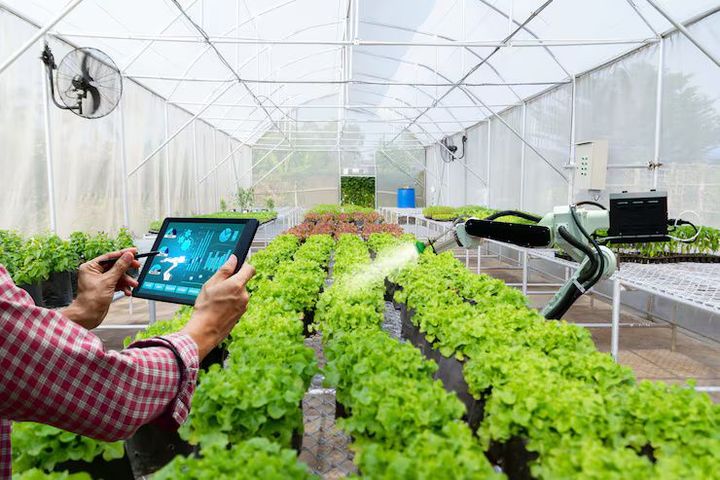
- Automated Greenhouses
- Out here, machines handle the heat while moisture levels stay balanced through smart adjustments. Lights turn on when needed, guided by sensors instead of guesswork.
- Drone Crop Monitoring
- Pictures of crops come from drones spotting trouble like bugs or sickness before it spreads. Early warnings pop up when aerial shots show odd patterns in the greenery.
- Smart Irrigation in Dry Regions
- Folks watch every drop where rain hardly falls, making each sip count. Efficiency grows when supply runs thin.
- Automated Dairy Farms
- Cows get fed and milked by machines, so their routine stays steady. While automation takes charge, each animal follows a predictable pattern every day.
Farming setups vary, yet machines find their way into each one. Though fields differ, tools adapt without much fuss. Where soil changes, routines shift - still the work gets done. Even in uneven conditions, tasks move forward somehow. Different places, similar results, just through smarter moves.
Key Things to Know
Thinking through a few key points makes sense before bringing automated equipment into farming operations
- Farm Size
- Big farms often see bigger gains from machines because they handle so much work. Operations spread wide mean tech fits easier there.
- Type of Crops
- Different crops require different machines and systems.
- Initial Investment
- Getting certain automated systems means spending quite a bit at first.
- Technical Knowledge
- Folks working the land might have to learn simple skills for using and fixing such equipment.
- Maintenance Needs
- Lifespan of equipment depends on consistent care. Machines run smoother when maintained often. Skipping checks leads to bigger issues down the road. Attention today prevents breakdowns tomorrow. Functionality stays strong with routine attention.
- Connectivity
- Internet access keeps certain setups running, without it they cannot function. Data flows through online connections, otherwise operations halt. Control depends on constant connectivity, else tasks stall. Without a link to the web, these machines stand idle.
Farmers can pick what works when they see how things connect. Not every option fits unless the bigger picture is clear.
Future Trends and Industry Insights
Faster growth waits around the corner for farm automation. Machines act sharper now because fresh tech lifts their skills beyond old limits.
- Artificial Intelligence Integration
- Faster choices could come from smart software inside machines.
- Fully Autonomous Farms
- Farms sometimes run mostly on machinery instead of people.
- Improved Sensor Technology
- Fine-tuned sensors could cost less over time. Accuracy might improve without raising prices.
- Sustainable Farming Solutions
- Machines working on their own can cut down mess, since cleaner processes often follow. Waste fades when systems run without constant human pushes. Cleaner outcomes pop up where smart tools take over tasks. Nature stays safer because fewer errors happen automatically.
- Real-Time Data Insights
- Fresh alerts pop up right away for those working the fields. Guidance follows without delay.
Farming machines might soon become common, because more people need food at the same time gadgets keep improving. Equipment runs on its own now, helping grow crops faster than before while cities get larger every year.
Conclusion
Farming tools run by machines change how crops are grown. These devices let growers do more without extra effort, thanks to smart systems that manage tough, repeated jobs.
Farming machines that drive themselves work alongside clever watering setups, boosting how well fields are managed while cutting down hours of labor along with lifting harvest standards. Even though thinking carefully about using such tech matters first, gains seen later make a real difference.
Farming keeps changing, yet machines take on more tasks each season. Because of this shift, fields run smoother without constant human oversight. Still, the real gain shows up in harvests that feed more while using less. Over time, these tools reshape how soil and seeds are managed together.