Guide to CNC Milling vs Turning: Key Differences, Processes, and Applications
Modern manufacturing relies heavily on computer-controlled machines to create precise parts and components. Two of the most widely used machining methods are CNC milling and CNC turning. These technologies help industries produce accurate shapes, smooth finishes, and complex designs.
A cnc milling machine and a cnc turning machine both remove material from a workpiece, but they do it in different ways. Each method has its own process, machine setup, and ideal use cases.
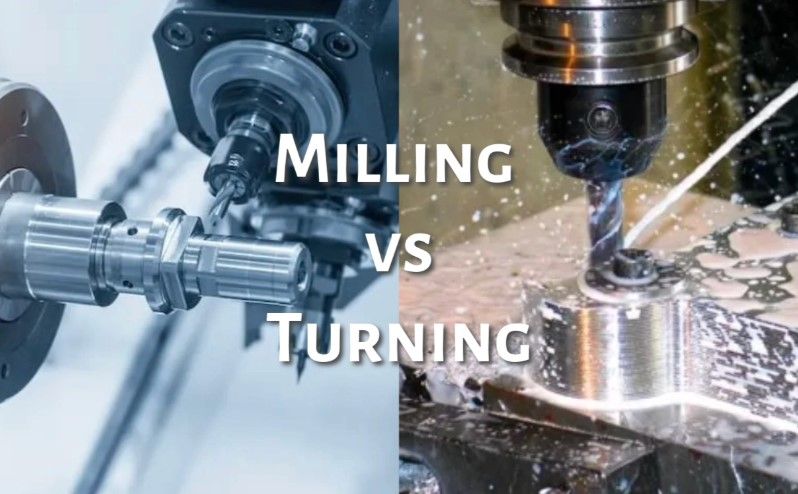
Understanding the differences between milling and turning helps people learn how products are shaped in industries such as automotive, furniture making, electronics, and mechanical engineering. From large industrial machines to a mini cnc machine used in workshops, these technologies play an important role in modern production.
This article explains the main differences between CNC milling and CNC turning, how they work, and where they are commonly used.
Understanding the Concept
CNC stands for Computer Numerical Control. It means machines follow programmed instructions to perform cutting, shaping, or drilling tasks automatically.
In CNC machining, digital instructions guide the movement of tools and materials. This ensures high precision and repeatability.
There are two common approaches:
CNC Milling
In milling, the cutting tool rotates while the material stays relatively fixed. The rotating tool removes layers of material to create shapes, slots, and surfaces.
Machines such as a cnc machine milling machine are designed to move in multiple directions, allowing complex shapes to be created with great accuracy.
CNC Turning
Turning works differently. In this process, the workpiece rotates while a stationary cutting tool shapes the material. This method is commonly used to produce cylindrical parts such as shafts, rods, and threaded components.
A cnc turning machine performs this process automatically with controlled precision.
Both techniques are essential in manufacturing, but their operations and applications vary significantly.
Key Types or Categories
Different machine sizes and designs exist for both milling and turning. These variations allow manufacturers, workshops, and hobbyists to work on projects of different scales.
Types of CNC Milling Machines
CNC milling machines come in several sizes and configurations.
- Desktop CNC Milling Machine
A desktop cnc milling machine is compact and often used for small-scale manufacturing, education, or prototyping. It fits easily in small workshops or laboratories.
- Mini CNC Milling Machine
A mini cnc milling machine provides precise cutting ability in a smaller footprint. It is commonly used for lightweight materials and small components.
- Small CNC Milling Machine
A small cnc milling machine bridges the gap between compact desktop models and large industrial machines. It can handle moderate workloads while still fitting in limited spaces.
- CNC Wood Mill
A cnc wood mill is designed specifically for shaping wood materials. It is widely used in furniture production, decorative carving, and woodworking workshops.
Types of CNC Turning Machines
Turning machines also come in several forms depending on their purpose.
- Traditional Wood Turning Lathe
A wood turning lathe rotates wooden material while cutting tools shape it. This method is often used to create bowls, table legs, and decorative wooden items.
- Automated CNC Turning Machine
A cnc turning machine performs similar tasks but with computer-guided precision. It produces consistent cylindrical parts with minimal manual adjustment.
- Wood Turning Machine
A wood turning machine is used for shaping wood through rotational cutting. It is common in woodworking industries that produce symmetrical items.
These categories allow manufacturers to select equipment suited to their production needs.
Important Subsections
Cutting Motion
The main difference between milling and turning lies in the movement of the cutting tool and the material.
In milling:
- The cutting tool rotates
- The workpiece moves across the tool
- Multiple axes allow complex shapes
In turning:
- The material rotates
- The cutting tool remains relatively stationary
- The shape forms as the material spins
Shape Capabilities
Each process is suited for different types of shapes.
Milling is ideal for:
- Flat surfaces
- Slots and grooves
- Complex contours
- Detailed pockets
Turning is ideal for:
- Cylindrical shapes
- Round shafts
- Cones
- Threads
Machine Structure
Milling machines usually have moving tables and vertical or horizontal spindles. Turning machines typically hold the rotating material in a chuck.
Understanding these structural differences helps explain why each machine performs specific tasks better than the other.
How It Works
Both CNC milling and CNC turning follow a structured process. While their mechanics differ, the workflow remains similar.
Step 1: Designing the Part
Engineers or designers create a digital model of the part. The design includes dimensions, shapes, and machining paths.
Step 2: Preparing Machine Instructions
The digital model is converted into machine instructions. These instructions guide the tool movements and cutting paths.
Step 3: Material Setup
The raw material is secured on the machine.
Examples include:
- Metal blocks
- Plastic materials
- Wooden pieces used in a cnc wood mill or wood turning machine
Step 4: Machining Process
The machine follows programmed instructions.
In milling:
- The rotating tool removes layers of material
- Multiple directions allow complex shapes
In turning:
- The material rotates rapidly
- A cutting tool gradually shapes the surface
Step 5: Finishing
After machining, the component may undergo finishing steps such as polishing or surface smoothing.
This workflow ensures consistent and accurate results.
Benefits and Advantages
Both CNC milling and CNC turning bring many advantages to modern manufacturing.
High Precision
Computer-controlled machines achieve extremely accurate dimensions. This precision is essential in industries that require tight tolerances.
Repeatable Production
Once a machining program is created, the same part can be produced repeatedly with consistent results.
Complex Designs
Machines like a cnc machine milling machine can produce intricate shapes that would be difficult to create manually.
Efficiency
Automated machining allows continuous production with minimal interruptions.
Versatility
From a compact mini cnc machine to larger industrial systems, CNC technology adapts to many production environments.
Material Flexibility
CNC machines can shape a variety of materials, including:
- Metals
- Plastics
- Wood
- Composite materials
This versatility expands their usefulness across many industries.
Real-World Examples or Applications
CNC milling and turning appear in many everyday products.
Automotive Industry
Many engine components rely on turning processes. Cylindrical parts such as pistons and shafts are typically produced using a cnc turning machine.
Milling machines shape engine blocks, housings, and structural components.
Furniture Manufacturing
Woodworking industries frequently use a cnc wood mill and wood turning lathe.
Examples include:
- Table legs
- Decorative wood panels
- Custom furniture details
- Wooden bowls and artistic objects
Electronics Industry
Small precision parts used in electronic devices often require milling for complex shapes and turning for cylindrical connectors.
Mechanical Equipment
Many industrial machines contain components shaped using both processes.
For example:
- Rotating shafts created through turning
- Mounting plates shaped with milling
These examples show how both technologies complement each other.
Important Factors to Understand
When choosing between milling and turning, several factors influence the decision.
Shape of the Component
If the part is cylindrical, turning is usually the better approach.
If the design includes complex pockets or flat surfaces, milling is more suitable.
Machine Size
Different projects require different machine sizes.
Examples include:
- desktop cnc milling machine for compact environments
- small cnc milling machine for moderate workloads
- larger systems for industrial production
Material Type
Some materials respond better to specific machining methods. Wood, for example, works well with a cnc wood mill or wood turning machine.
Production Volume
Large production runs benefit from automated machining because it ensures consistent quality across many components.
Understanding these factors helps manufacturers choose the right process for each project.
Future Trends and Industry Insights
CNC machining continues to evolve as technology advances.
Several trends are shaping the future of milling and turning.
Compact Machines for Small Workshops
Machines like a mini cnc milling machine and mini cnc machine are becoming more common. These compact systems allow smaller workshops and educational institutions to explore advanced machining techniques.
Improved Precision
Modern CNC machines are becoming more accurate with improved control systems and advanced sensors.
Integration with Digital Manufacturing
Manufacturing environments are increasingly connected through digital systems. Machines communicate with other equipment, allowing smoother production planning.
Advanced Materials
As new materials are developed, CNC machines adapt to handle stronger and lighter substances used in aerospace, transportation, and technology industries.
These innovations continue to expand the capabilities of milling and turning technologies.
Conclusion
CNC milling and CNC turning are two fundamental machining methods used across many industries. While both processes remove material to create precise shapes, they differ in how the cutting tool and material move.
Milling uses a rotating cutting tool to shape stationary material. Turning rotates the material while a stationary tool removes material.
Machines such as a cnc milling machine, desktop cnc milling machine, mini cnc milling machine, and cnc turning machine each serve specific purposes depending on the part design and material.
From woodworking tools like a wood turning lathe to advanced industrial machining systems, these technologies play an essential role in producing the components used in everyday products.
By understanding the differences between milling and turning, readers can better appreciate how modern manufacturing transforms raw materials into precise, functional parts.