Fiber Laser Cutting Machines: Guide to Precision Cutting Technology
Fiber laser cutting machines have transformed modern manufacturing by making metal cutting faster, cleaner, and more precise.
These advanced machines use a concentrated laser beam to cut through different materials with exceptional accuracy. Industries around the world rely on fiber laser technology to create components, equipment parts, and detailed designs that require high precision.
As manufacturing standards continue to rise, precision cutting technology has become increasingly important. Whether producing automotive parts, construction materials, industrial equipment, or custom metal products, fiber laser cutting machines help achieve consistent results while improving productivity and material utilization.
This guide explains how fiber laser cutting machines work, their main categories, advantages, applications, and future developments in a simple and easy-to-understand manner.
Understanding the Concept
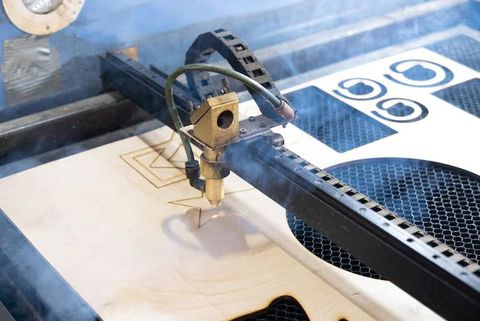
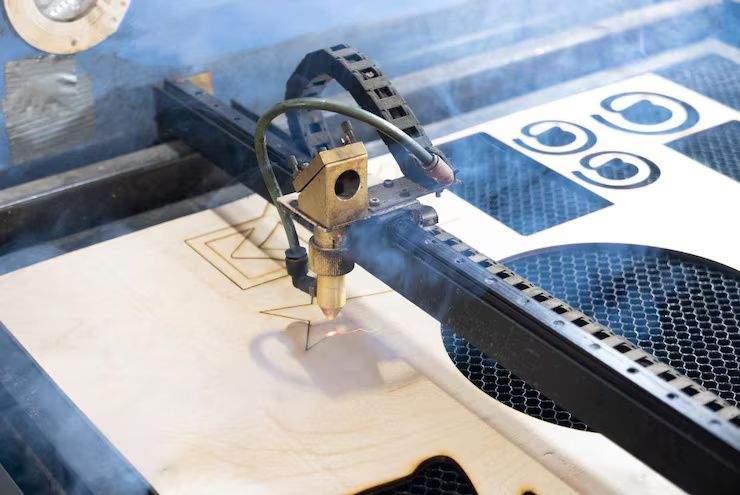
A fiber laser cutting machine is a manufacturing system that uses a powerful laser beam generated through optical fibers to cut materials. The laser beam is highly concentrated and directed onto the surface of a material. The intense energy melts, burns, or vaporizes the material along a precise path.
Unlike traditional cutting methods that rely on mechanical tools, fiber laser cutting uses light energy. This reduces physical contact with the material and helps achieve smoother edges and greater accuracy.
The technology is particularly effective for metal fabrication, including steel, stainless steel, aluminum, brass, copper, and other industrial materials. Because of its precision, fiber laser cutting has become a key part of modern industrial manufacturing.
Key Types or Categories
Fiber laser cutting machines are available in several categories based on their design and intended applications.
Sheet Metal Fiber Laser Cutting Machines
These machines are designed for cutting flat metal sheets. They are commonly used in:
- Metal fabrication
- Industrial manufacturing
- Automotive production
- Construction equipment manufacturing
Sheet metal machines can process various thicknesses while maintaining accurate cuts.
Tube Laser Cutting Machines
Tube laser systems are specifically designed for cutting round, square, rectangular, and custom-shaped tubes.
Common applications include:
- Structural frameworks
- Furniture production
- Agricultural equipment
- Mechanical assemblies
These machines can cut holes, slots, and complex patterns directly into metal tubing.
Combination Laser Cutting Machines
Combination systems can process both sheet metal and tubes within the same machine setup.
Advantages include:
- Greater production flexibility
- Reduced equipment footprint
- Improved workflow efficiency
Many manufacturers choose these systems when working with diverse materials and component types.
High-Power Fiber Laser Machines
High-power machines are designed for thicker materials and heavy industrial applications.
Industries often use them for:
- Heavy machinery components
- Shipbuilding materials
- Structural steel fabrication
- Industrial equipment production
Compact Fiber Laser Machines
Compact models are designed for smaller workshops and precision manufacturing environments.
These machines are often used for:
- Custom metal products
- Decorative metalwork
- Prototype development
- Educational training environments
Important Subsections
Laser Source Technology
The laser source is the heart of the machine. It generates the concentrated beam used for cutting.
Fiber lasers are known for:
- High energy efficiency
- Stable performance
- Long operating life
- Consistent cutting quality
The laser beam travels through optical fibers before reaching the cutting head.
Cutting Head Components
The cutting head directs the laser beam onto the material.
Important elements include:
- Focusing lens
- Protective nozzle
- Height control system
- Sensor technology
These components help maintain cutting accuracy throughout the process.
Motion Control System
The motion control system guides the movement of the cutting head.
Modern systems allow precise positioning and smooth movement across the work surface. This precision helps create intricate designs and detailed components.
Material Handling Systems
Many advanced machines include automated loading and unloading systems.
These systems help:
- Reduce manual handling
- Improve workflow efficiency
- Increase production consistency
- Minimize downtime
Automation is becoming increasingly important in modern manufacturing facilities.
How It Works
Fiber laser cutting follows a straightforward process.
Step 1: Design Preparation
Engineers create a digital design of the part or component that needs to be cut.
The design contains precise measurements and cutting paths.
Step 2: Material Placement
The metal sheet or tube is positioned inside the machine.
Proper alignment ensures accurate cutting results.
Step 3: Laser Generation
The fiber laser source generates a highly concentrated beam of light.
This beam carries enough energy to process metal materials efficiently.
Step 4: Beam Focusing
The cutting head focuses the laser beam onto a very small area of the material surface.
The concentrated energy creates extremely precise cuts.
Step 5: Material Removal
As the laser moves along the programmed path, the material melts or vaporizes.
Assist gases help remove molten material from the cutting zone.
Step 6: Finished Component Production
The machine completes the cutting process according to the design specifications.
The finished component typically requires minimal additional processing due to the clean edges produced by fiber laser technology.
Benefits and Advantages
Fiber laser cutting machines provide numerous advantages across industrial sectors.
Exceptional Precision
One of the biggest benefits is cutting accuracy.
Manufacturers can produce highly detailed parts with tight tolerances and consistent dimensions.
Faster Production
Fiber laser technology processes materials quickly, helping improve overall production efficiency.
Faster cutting speeds contribute to shorter production cycles.
Clean Cutting Results
The laser creates smooth and precise edges.
This often reduces the need for extensive finishing operations after cutting.
Reduced Material Waste
Accurate cutting paths allow manufacturers to maximize material utilization.
Efficient material usage helps improve production planning and sustainability.
Versatility
Fiber laser cutting machines can process various materials, including:
- Carbon steel
- Stainless steel
- Aluminum
- Copper
- Brass
This flexibility makes them suitable for many manufacturing environments.
Low Maintenance Requirements
Because there are fewer moving cutting components compared to traditional methods, maintenance requirements are often reduced.
This contributes to reliable long-term operation.
Energy Efficiency
Fiber laser technology converts energy efficiently into laser power.
This supports sustainable manufacturing practices and improved operational performance.
Real-World Examples or Applications
Fiber laser cutting technology is used in numerous industries.
Automotive Manufacturing
Automotive companies use fiber laser machines to produce:
- Body panels
- Structural components
- Exhaust system parts
- Precision brackets
Accurate cutting helps maintain quality and consistency throughout production.
Aerospace Industry
Aircraft components often require precise dimensions and strict quality standards.
Fiber laser cutting supports the production of lightweight and complex metal parts used in aerospace applications.
Construction Equipment
Manufacturers of construction machinery use laser cutting technology to create:
- Structural frames
- Equipment panels
- Reinforcement components
- Heavy-duty brackets
Precision cutting contributes to reliable assembly and performance.
Agricultural Equipment
Agricultural machinery manufacturers utilize fiber laser systems to produce components such as:
- Equipment frames
- Protective guards
- Mounting brackets
- Structural supports
Consistent cutting quality helps maintain equipment durability.
Architectural Metalwork
Architects and designers use laser-cut metal panels for decorative and functional purposes.
Examples include:
- Building facades
- Interior partitions
- Decorative screens
- Artistic installations
The technology allows detailed patterns that would be difficult to achieve with traditional cutting methods.
Important Factors to Understand
Several considerations influence machine performance and production outcomes.
Material Type
Different materials respond differently to laser energy.
Factors include:
- Reflectivity
- Thickness
- Thermal properties
- Surface condition
Understanding material characteristics helps optimize cutting performance.
Laser Power
Laser power affects cutting capability and processing speed.
Higher power levels are generally suitable for thicker materials, while lower power levels may be ideal for thinner materials and detailed work.
Cutting Speed
Cutting speed must be balanced with material thickness and desired quality.
Excessive speed can affect edge quality, while slower speeds may reduce productivity.
Operator Training
Proper training helps ensure safe and efficient machine operation.
Understanding machine settings and maintenance procedures contributes to consistent results.
Production Requirements
Manufacturers should consider:
- Material volume
- Component complexity
- Production schedules
- Future expansion plans
These factors influence equipment selection and workflow planning.
Future Trends and Industry Insights
Fiber laser cutting technology continues to evolve rapidly.
Increased Automation
Manufacturing facilities are adopting more automated systems for material handling and production management.
Automation helps improve efficiency and consistency.
Artificial Intelligence Integration
Artificial intelligence is beginning to support machine optimization by analyzing production data and improving cutting parameters.
This can enhance productivity and quality control.
Smart Manufacturing
Fiber laser cutting machines are becoming part of connected manufacturing environments.
Real-time monitoring allows operators to track performance and identify potential issues more quickly.
Higher Cutting Speeds
Ongoing technological advancements continue to increase processing speeds while maintaining precision.
This supports greater production capacity.
Improved Energy Performance
Future systems are expected to become even more energy efficient, supporting sustainable manufacturing goals and environmental responsibility.
Conclusion
Fiber laser cutting machines have become an essential part of modern precision manufacturing. Their ability to produce accurate, clean, and efficient cuts makes them valuable across industries such as automotive, aerospace, construction, agriculture, and architectural design.
By using concentrated laser energy, these machines achieve results that are difficult to match with traditional cutting methods. Features such as high precision, energy efficiency, versatility, and automation capabilities continue to drive their adoption worldwide.
As manufacturing technology advances, fiber laser cutting machines are expected to become even smarter, faster, and more integrated into modern production environments. Understanding how this technology works helps businesses and industry professionals appreciate its role in shaping the future of precision cutting and industrial manufacturing.