Explore Small CNC Machines: Types and Workshop Uses
Modern workshops often require precision, efficiency, and flexibility. Many machining tasks once required large industrial equipment, but today compact solutions have made advanced machining more accessible. One important example is small cnc machines.
These machines bring computer-controlled precision into compact workshop environments. Whether working with wood, metal, or plastic, these machines help create accurate parts and detailed designs.
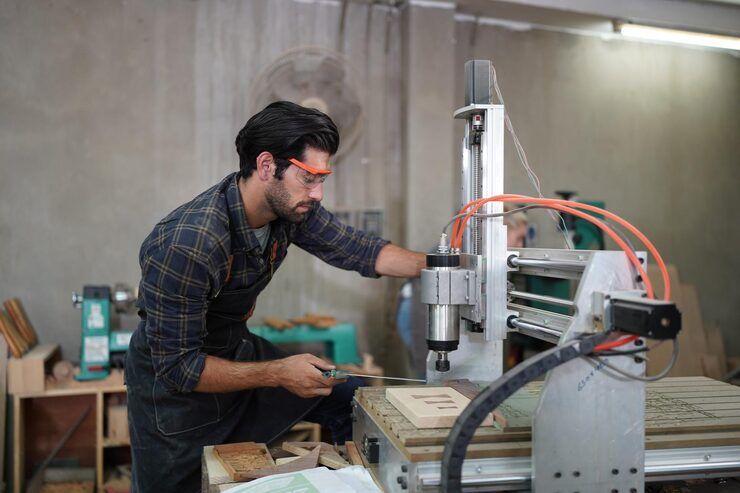
From hobby workshops to small production environments, a mini cnc machine can perform cutting, drilling, engraving, and shaping tasks with impressive accuracy. Because of their size and versatility, they are commonly used in education, prototyping, craft production, and light manufacturing.
Understanding how these machines work and where they are used can help readers appreciate their role in modern workshops.
Understanding the Concept
A CNC machine stands for Computer Numerical Control machine. It is a machine tool that follows programmed instructions to perform machining operations automatically.
Instead of controlling the machine manually, a computer program tells the machine how to move and operate.
Small cnc machines follow the same principle as larger industrial machines. The difference is their size and capacity. These compact machines are designed for smaller workspaces and lighter materials, yet they still maintain impressive precision.
A miniature cnc machine typically includes the following components:
- A frame or structure that supports the machine
- A spindle that rotates cutting tools
- Moving axes that position the tool
- A control system that reads instructions
- A worktable that holds the material
These elements work together to perform tasks such as carving wood, shaping metal parts, or engraving patterns.
Because of their manageable size, many workshops use a tiny cnc machine for experimental projects, prototypes, and detailed craft work.
Key Types or Categories
Different types of compact CNC equipment are designed for specific materials and applications. Understanding these categories helps explain how workshops choose the right machine for their needs.
Small CNC Milling Machines
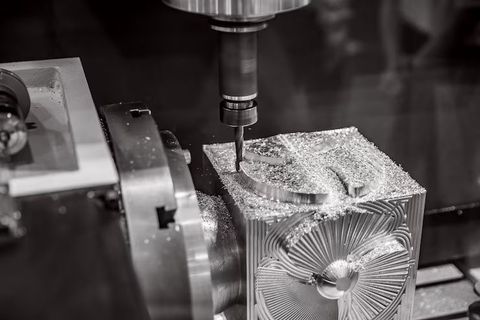
A small cnc milling machine is designed for cutting and shaping solid materials. It uses rotating cutting tools that remove material from a workpiece.
Common workshop tasks include:
- Creating mechanical components
- Drilling holes with precision
- Shaping metal parts
- Producing small molds or prototypes
A small cnc machine for metal often falls into this category. These machines are built with stronger frames and higher cutting precision to handle harder materials.
Mini CNC Router Machines
A mini cnc router machine is mainly used for cutting and engraving softer materials such as wood, plastics, and composite boards.
These machines are very common in creative workshops because they can produce decorative designs and detailed carvings.
Typical uses include:
- Wood engraving
- Sign making
- Furniture detailing
- Decorative panels
Many woodworking workshops consider this the best wood cnc machine for small business environments where precision and flexibility are required.
Mini CNC Cutter Machines
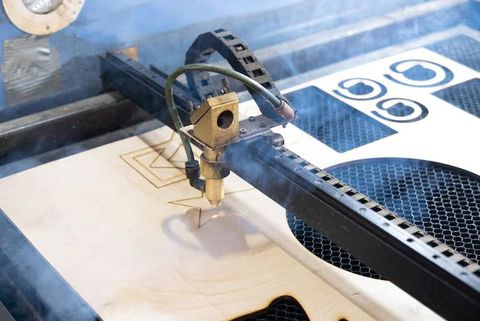
A mini cnc cutter focuses on cutting thin materials with high accuracy. The cutting method depends on the machine type and tool used.
Examples of tasks include:
- Cutting thin metal sheets
- Producing small components
- Creating decorative shapes
A mini cnc cutter is often used in fabrication workshops that produce custom parts or small industrial components.
Small Plasma Tables
A small plasma table uses a high-temperature plasma arc to cut conductive materials like steel and aluminum.
Even in compact form, these machines can cut complex shapes quickly and accurately.
Common applications include:
- Metal plate cutting
- Custom brackets and frames
- Fabrication components
Because of their versatility, plasma cutting tables are widely used in metal fabrication workshops.
Tiny CNC Machines for Precision Work
A tiny cnc machine is designed for extremely detailed machining tasks.
These machines are used in areas such as:
- jewelry design
- miniature mechanical components
- model making
- electronics parts
Their compact design allows precise control over very small parts.
How It Works
Although CNC equipment may appear complex, the working process can be explained in simple steps.
1. Designing the Part
The process begins with a digital design. The design shows the exact shape and dimensions of the part that needs to be produced.
2. Creating Machine Instructions
The design is converted into instructions that the machine can understand. These instructions define tool movement, cutting depth, and machining sequence.
3. Preparing the Machine
The material is placed securely on the worktable. The cutting tool is installed in the spindle, and the machine is prepared for operation.
4. Machine Movement
The machine begins following the programmed instructions. Motors move the cutting tool along different directions.
These movements are called axes, typically X, Y, and Z.
5. Material Removal
The cutting tool removes material layer by layer until the final shape is achieved.
With proper programming and setup, even a miniature cnc machine can produce highly accurate parts.
Benefits and Advantages
Compact CNC machines provide several practical advantages for workshops.
Space Efficiency
Large industrial machines require significant floor space. Small cnc machines fit easily into compact workshops or educational labs.
Precision and Consistency
Once the machine instructions are prepared, the machine repeats the same operation accurately every time.
This consistency is valuable for producing multiple identical components.
Versatility
A mini cnc machine can perform several machining tasks such as:
- drilling
- cutting
- engraving
- shaping
This flexibility allows workshops to complete many different projects using one machine.
Accessibility for Small Workshops
Many small workshops choose the best cnc machine for small business operations because these machines allow efficient production without large industrial infrastructure.
Ideal for Woodworking
For wood-focused workshops, the best cnc router for small shop environments allows detailed carving and decorative work.
Woodworkers also benefit from machines considered the best wood cnc machine for small business environments due to their ability to produce repeatable designs.
Real-World Examples or Applications
Compact CNC equipment is widely used across many industries and creative fields.
Educational Workshops
Technical schools and training centers often use small cnc milling machine systems to demonstrate machining principles.
Students learn how digital instructions control machining processes.
Woodworking Studios
A mini cnc router machine allows woodworkers to produce decorative panels, carved furniture parts, and custom signs.
Prototype Development
Product designers frequently use a miniature cnc machine to create early versions of new components.
Prototypes allow engineers to test ideas before full-scale production.
Metal Fabrication
A small cnc machine for metal is useful for producing brackets, small gears, and machine components.
Metal workshops also use small plasma table setups to cut metal sheets into custom shapes.
Craft and Artistic Production
Artists and craft producers use mini cnc cutter machines to create intricate designs in wood, acrylic, and other materials.
These machines help transform digital artwork into physical objects.
Important Factors to Understand
Before introducing compact CNC equipment into a workshop, several important factors should be considered.
Machine Size and Workspace
Even though these machines are compact, they require enough space for operation and material handling.
Workshops must ensure sufficient workspace around the machine.
Material Compatibility
Different machines handle different materials. For example:
- routers work well with wood and plastic
- milling machines handle metals
- plasma tables cut metal sheets
Choosing the correct machine ensures efficient results.
Precision Requirements
Some projects require extremely tight tolerances. In such cases, a high-quality small cnc milling machine may be necessary.
Maintenance and Care
Like any machine tool, CNC equipment requires regular cleaning, lubrication, and inspection to maintain accuracy.
Proper care ensures consistent performance over time.
Future Trends and Industry Insights
The development of compact machining technology continues to evolve.
Several trends are shaping the future of small cnc machines.
Improved Automation
New machines include advanced control features that simplify machine operation and improve accuracy.
Greater Precision
Manufacturers are designing miniature cnc machine systems capable of extremely detailed machining.
This allows compact equipment to perform tasks previously limited to large industrial machines.
Expanding Workshop Applications
As compact machines become more capable, they are appearing in many new environments including:
- maker spaces
- educational laboratories
- research facilities
- design studios
Multi-Function Capabilities
Future machines may combine several machining methods into one compact system, allowing workshops to complete multiple processes using a single machine.
These innovations will likely make compact machining technology even more useful in smaller production environments.
Conclusion
Small cnc machines have transformed the way modern workshops approach precision machining. By combining computer control with compact design, these machines allow accurate cutting, shaping, and engraving in limited workspace environments.
From wood carving with a mini cnc router machine to metal machining with a small cnc machine for metal, compact CNC technology supports a wide range of applications.
Different machine types—including small cnc milling machine systems, mini cnc cutter equipment, tiny cnc machine designs, and small plasma table setups—allow workshops to handle many types of materials and projects.
As technology continues to advance, compact CNC equipment will likely become even more capable, supporting innovation in education, design, and manufacturing. Understanding these machines helps highlight their growing role in modern workshops and creative production environments.