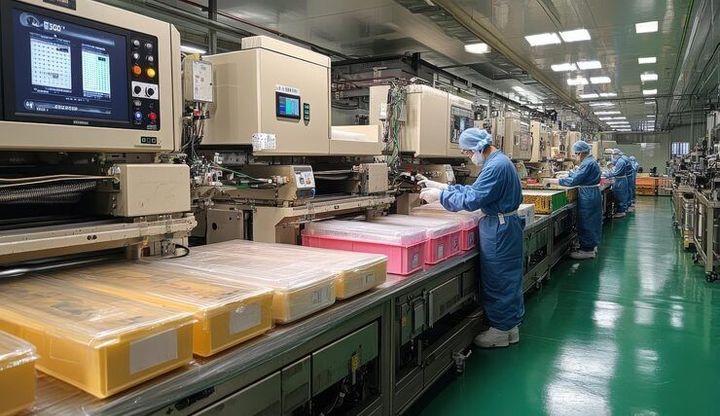
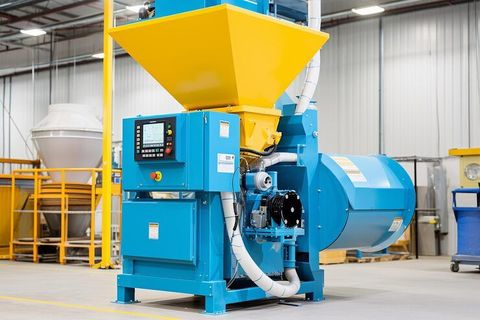
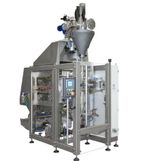
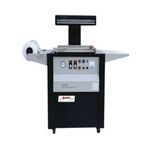
Automatic packaging machines play an important role in this process. These machines handle tasks such as filling, sealing, labeling, and wrapping products with minimal human involvement. By automating packaging operations, manufacturers can improve productivity, reduce manual effort, and maintain consistent quality.
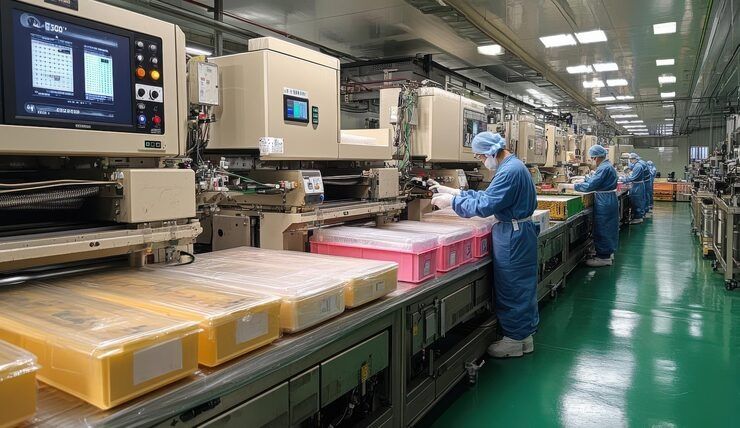
From snack factories to pharmaceutical production lines, automatic packaging systems are widely used across many industries. Understanding how these machines work and why they matter helps businesses and individuals better appreciate modern manufacturing technology.
Understanding the Concept
Automatic packaging machines are mechanical systems designed to package products with little or no manual handling. These machines perform several packaging steps automatically in a continuous process.
In a traditional packaging setup, workers might fill containers, close them, and label them manually. In contrast, an automatic machine completes these tasks in a structured sequence using sensors, conveyors, and mechanical components.
Typical packaging actions include:
-
Filling products into containers or pouches
-
Sealing packages securely
-
Wrapping products in protective material
-
Labeling and coding packages
-
Grouping items into boxes or cartons
For example, in a snack production facility, chips are produced on a conveyor line. An automatic packaging machine measures the correct quantity, fills the bag, seals it, and prepares it for distribution within seconds.
Because these machines follow programmed instructions and mechanical precision, they ensure consistent packaging quality across thousands of products.
Key Types or Categories
Automatic packaging machines come in different designs depending on the product type, packaging material, and production speed requirements.
Below are some of the most common categories used in manufacturing environments.
Filling Machines
Filling machines are designed to place a specific quantity of product into containers such as bottles, jars, or pouches.
These machines are commonly used in industries like:
-
Food and beverages
-
Pharmaceuticals
-
Cosmetics
-
Chemicals
Different filling methods exist depending on the product consistency. Liquids, powders, and granules each require different filling mechanisms.
Sealing Machines
Sealing machines close packages to protect the contents inside. Proper sealing prevents contamination, leakage, or damage during transportation.
Common sealing techniques include:
-
Heat sealing for plastic pouches
-
Induction sealing for bottles
-
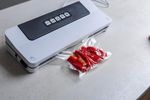
Vacuum sealing for food products
For instance, vacuum sealing removes air from a package before sealing, which helps preserve freshness.
Wrapping Machines
Wrapping machines cover products with protective material such as plastic film, paper, or foil. These machines are widely used in food processing and retail packaging.
Examples include:
-
Shrink wrapping machines
-
Stretch wrapping machines
-
Flow wrapping machines
Flow wrapping is commonly used for products like biscuits, chocolate bars, and soap bars.
Labeling Machines
Labeling machines attach product labels to containers or packages. Labels may include product information, batch numbers, or barcodes.
These machines ensure accurate placement of labels and maintain uniform presentation across packaged goods.
Cartoning Machines
Cartoning machines place individual packaged products into cartons or boxes. They are often used as the final stage in a packaging line.
For example, medicine blister packs are placed into cartons along with printed information sheets using cartoning machines.
Important Subsections
In addition to the machines themselves, automatic packaging systems often include supporting components that allow smooth operation.
Key elements include:
-
Conveyor systems – transport products between packaging stages
-
Sensors – detect product position and control machine actions
-
Control panels – allow operators to monitor and adjust machine settings
-
Packaging materials – films, pouches, cartons, and containers used during packaging
Together, these components create a complete packaging workflow.
How It Works
Although different machines operate in unique ways, most automatic packaging systems follow a similar process.
The basic steps typically include:
-
Product Feeding
Products move into the packaging machine through conveyor belts or feeders.
-
Measurement or Counting
The machine measures the correct quantity using weighing systems, volumetric measurement, or counting sensors.
-
Filling or Placement
The measured product is placed into a container, pouch, or wrapper.
-
Sealing or Closing
The package is sealed using heat, pressure, or mechanical methods.
-
Labeling or Coding
Labels, dates, or identification codes are applied to the package.
-
Grouping and Output
Packaged items are grouped into cartons or prepared for storage and transportation.
All these steps occur rapidly and continuously, allowing thousands of products to be packaged within a short time.
Benefits and Advantages
Automatic packaging machines provide many advantages for manufacturing environments. These advantages help improve production efficiency and product quality.
Increased Production Speed
Automatic systems can package products much faster than manual methods. High-speed packaging lines allow factories to handle large production volumes.
Consistent Packaging Quality
Machines follow programmed instructions and precise measurements. This ensures each package is filled and sealed correctly.
Reduced Manual Effort
Automation reduces the need for repetitive manual packaging tasks. Workers can focus on monitoring operations and quality control instead.
Improved Product Protection
Proper sealing and wrapping protect products from moisture, contamination, and physical damage during storage and transport.
Efficient Use of Packaging Materials
Automatic systems measure packaging materials accurately. This reduces material waste and ensures uniform packaging results.
Real-World Examples or Applications
Automatic packaging machines are widely used across different industries. Each industry uses packaging systems designed for specific products.
Food and Beverage Industry
Food production facilities rely heavily on automated packaging.
Examples include:
-
Snack packaging lines for chips and biscuits
-
Beverage bottle filling lines
-
Frozen food packaging systems
These machines help maintain hygiene and consistent portion sizes.
Pharmaceutical Industry
Medicines require precise packaging to ensure safety and traceability.
Common applications include:
-
Tablet blister packaging
-
Medicine bottle filling
-
Cartoning of pharmaceutical products
Accurate packaging helps maintain product integrity and regulatory compliance.
Consumer Goods Manufacturing
Everyday products such as soap, detergents, and cosmetics are packaged using automated systems.
For example:
-
Soap bars wrapped using flow wrapping machines
-
Shampoo bottles filled and sealed automatically
-
Cosmetic products placed into retail cartons
These packaging systems help manufacturers maintain consistent product presentation.
Electronics Industry
Electronic items often require protective packaging to prevent damage.
Automatic packaging equipment helps place items into protective trays, pouches, or cartons before distribution.
Important Factors to Understand
When implementing automatic packaging machines, several factors should be carefully considered.
Product Characteristics
Different products require different packaging methods.
For example:
-
Liquids require specialized filling systems
-
Fragile items need protective packaging
-
Powder products require dust-control mechanisms
Packaging Material Compatibility
Machines must be compatible with the packaging materials used, such as plastic film, foil, cartons, or glass containers.
Production Volume
High-production environments require faster packaging machines with higher throughput capacity.
Maintenance and Machine Care
Regular maintenance ensures machines operate efficiently and reliably. Preventive care helps reduce downtime and extend machine lifespan.
Integration with Production Lines
Packaging machines often operate as part of a complete manufacturing line. Proper integration ensures smooth product flow from production to packaging stages.
Future Trends and Industry Insights
Packaging technology continues to evolve as manufacturing becomes more advanced.
Several emerging trends are shaping the future of automatic packaging machines.
Smart Manufacturing Integration
Modern packaging equipment increasingly integrates with digital monitoring systems. Sensors and data tracking allow operators to monitor performance and detect issues early.
Sustainable Packaging Solutions
Manufacturers are focusing on environmentally responsible packaging materials. Machines are being designed to handle recyclable and biodegradable packaging films.
Flexible Packaging Systems
Modern machines are becoming more adaptable. Flexible packaging systems allow manufacturers to package multiple product sizes or formats using the same equipment.
Advanced Robotics in Packaging
Robotic systems are increasingly used for product handling and packaging tasks. These robots improve precision and help manage complex packaging operations.
These developments are helping manufacturers improve productivity while adapting to changing market demands.
Conclusion
Automatic packaging machines play a vital role in modern manufacturing. They streamline packaging processes, increase production efficiency, and maintain consistent product quality.
From filling and sealing to labeling and cartoning, these machines automate tasks that once required significant manual effort. Industries such as food production, pharmaceuticals, electronics, and consumer goods rely heavily on automated packaging systems to handle high production volumes.
Understanding the functions, types, and advantages of automatic packaging machines helps highlight their importance in today’s manufacturing environment. As technology continues to advance, packaging systems will become even more efficient, flexible, and capable of supporting the evolving needs of global industries.