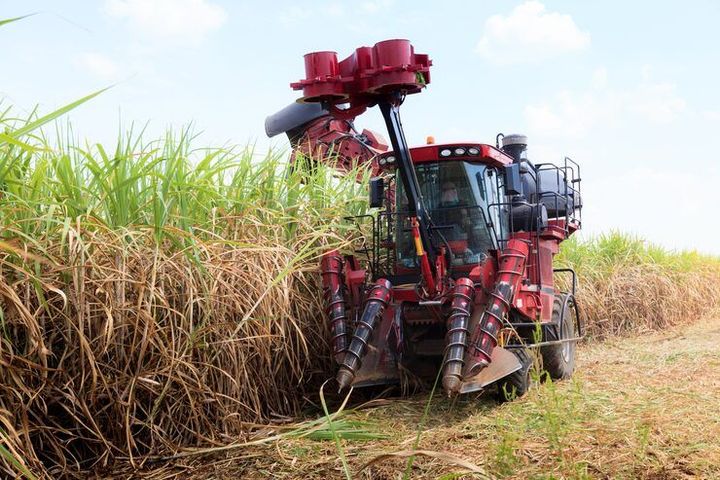
Sugarcane Harvesters Explained: Types, Working, and Farming Benefits
Sugarcane farming is a major part of agriculture in many countries, including India. Traditionally, harvesting sugarcane required a lot of manual labor and time. Farmers had to cut, collect, and transport heavy stalks by hand. Today, machines have changed this process.
Out in the fields, today’s sugarcane harvesters let farmers move faster while working less. Cutting through stalks smoothly, these tools gather cane without slowing down. From vast plantations to modest plots with compact models, automated harvesting shows up more often now.
This piece breaks down what these machines do, explores their various kinds, while touching on their role in today’s agriculture. A look inside reveals mechanics behind operation, shifts across models appear alongside reasons they matter out in fields now.
Understanding the Concept
Out in the fields, one might spot a large piece of equipment designed specifically for pulling sugarcane from the ground quickly. Instead of people bending low with sharp tools, this device does the job in a single pass.
Speed matters most when cutting cane by machine. Thick rows of tall stalks bend into the spinning teeth without jamming. Efficiency shows up in wide passes over uneven ground. Less waste drops behind as clean cuts pile high. Big fields disappear quickly under steady motion.
Close to the soil, a blade slices through each stalk - this piece of gear handles the first step. Once down, another section strips away green parts before gathering what's left. The result? Neat bundles of peeled cane ready to move on.
Some farmers pick tools based on how big their land is, while others go by what they can actually get hold of. Machines change from one field to another, shaped more by need than any fixed rule.
Types of Keys
Some sugarcane harvesters work better depending on the farm's size or layout. A few handle wet fields well, while others move fast across dry ground. Machines change shape based on crop density or soil type. Certain models cut neatly, whereas bulkier ones gather more per pass. Terrain decides what fits best in each field.
1. Whole-Stalk Harvesters
Out in the fields, these units slice through whole sugarcane stems without breaking them apart too much. After that, trucks carry the harvested stalks away to be worked on later.
- Suitable for traditional farming systems
- After use, it needs extra work to get clean and ready again
- Found often in places that stick to hand-sorting methods
2. Chopper Harvesters
Billets - those little chunks of sugarcane - are what come out after chopper harvesters do their work. Cutting happens fast, sharp blades meeting stalks mid-harvest. Each piece falls loose, uniform but never identical. The machine moves forward, turning whole cane into scattered segments on the field floor.
- With a single motion, it slices through sugarcane cleanly. This step prepares the stalks efficiently. Then, pieces are broken down further without extra handling. All steps happen at once - neatly dividing what nature bundled together
- Reduces the need for manual handling
- Widely used in modern farming
3. Mini Harvestor Machines
A tiny harvester works where space is tight. This machine fits best on compact plots. Narrow lanes slow down big gear - this one moves easier. Small-scale growing needs lighter tools. Fields squeezed between trees use machines like this. It cuts through rows without trouble. Less room means simpler solutions work better.
- Moving through narrow areas feels smooth. Compact design helps navigation where room is limited. Simple controls make handling straightforward. Fits neatly without needing much clearance
- Requires less power compared to large machines
- Ideal for farmers with limited land
4. Tractor-Mounted Harvesters
A machine that cuts sugarcane hooks up behind a standard farm tractor.
- More affordable for medium-scale farming
- Shifting from one area to another feels smooth. Movement comes naturally when change is needed. Each step forward stays light. Staying open to new directions keeps things flowing. Going where required never gets heavy
- Works well in areas with uneven terrain
Important Subsections
Cutting Mechanism
A spinning blade does the work right at the bottom of the stalk. This part matters more than most when it comes to slicing through cane.
Cleaning System
Leaves vanish when the machine pushes air through spinning parts. Cleaner cane comes out because rollers pull waste away.
Collection System
Out in the field, the cut cane drops into a storage bin or gets fed straight onto a waiting truck that rides beside the harvester.
How It Works
Grasping the way sugarcane harvesters operate makes it easier for farmers to get the most out of them. A straightforward breakdown follows, one piece at a time
- Entering the Field
- Ahead of schedule, the machine glides into the sugarcane field, matching its path to the rows.
- Cutting the Base
- A blade slices through cane stalks near the soil. Close to earth, each stem falls when met by a cutting edge. Stalks drop one after another as the tool moves forward. Sharp metal meets plant just above root level. The worker guides the instrument low against the base. Cuts happen fast, just inches up from dirt. Each motion brings down more of the tall growth.
- Feeding the Cane
- Into the machine, the severed stems get drawn by way of rollers. Rollers pull the chopped lengths inside. Through moving cylinders, the cut pieces advance. Advancing via cylinders, the harvested parts enter. The stalk sections move inward, guided by rolling elements.
- Removing Leaves and Tops
- Fine streams of air lift away brittle foliage while spinning mechanisms sort out debris. A gentle rush clears leftover bits as rotation guides waste aside.
- Chopping (if applicable)
- Chopped stalks spill out behind the machine as blades slice through the thick rows. Tiny segments tumble fast once steel meets plant. Each pass breaks long stems into bits without slowing down.
- Collecting the Output
- Bunched stalks move into storage once stripped of their juice. A different ride takes them away if not held on site.
Day after day, this whole system runs without stopping, so gathering crops takes far less time compared to doing it by hand.
Benefits and Advantages
Using sugarcane harvesters offers many practical benefits.
1. Saves Time
Out in the open rows, pulling crops by hand might stretch over many long days. Yet a machine moves fast, finishing what people labor over for nearly a week before noon comes.
2. Reduces Labor Effort
Pulling crops by hand takes serious effort. Yet machines step in, lightening the load people once carried alone.
3. Improves Efficiency
Out in the fields, blades slice through cane stalks with steady precision. One after another, each row gets stripped and sorted without pause. This steady rhythm means fewer missed cuts. Quality stays high because uneven handling fades away. Less mess piles up at processing points too.
4. Functions in Various Environments
Out in the fields, a machine such as the sugarcane harvester tractor keeps moving even when the ground dips and rises. While some equipment struggles, this one handles bumps without slowing down much at all.
5. Better Crop Handling
Cane stays healthier when handled by today’s equipment, thanks to gentler treatment mid-process.
6. Suitable for Different Farm Sizes
Big rigs work just as well as tiny cutters on different spreads. Whether it's wide fields or tight plots, something fits each setup.
real world examples and applications
Farming areas across India now see machines taking over more often than before. Some fields run on gears where hands once worked alone. Slow changes appear where tractors replace tired arms. Movement grows in patches, not waves. What was once done by touch now happens through switches clicking at dawn.
in places such as maharashtra and uttar pradesh
- Large farms use chopper harvesters for fast harvesting
- Medium farms prefer tractor-mounted machines
- Small farmers benefit from compact machines like mini harvestor units
In real-life scenarios:
- Some fields take just days when machines help. One person, fifty acres, done fast. With today’s tools, time shrinks. Harvests finish quicker than before. A single worker manages what once took many. Machines change how work flows across land. Speed arrives where effort used to drag
- Out in the fields, one person might handle harvest time with a machine that cuts cane quickly. Instead of many hands, a single piece of equipment does much of the work. This kind of tool helps when finding people to cut by hand gets tough. Through cooler mornings or hot afternoons, the tractor keeps moving down rows. With it around, fewer helpers are needed beside the operator. Efficiency shows up not in numbers but in steady progress across the land
Farmers find it easier to cope when hands are few, especially as harvest rushes in. How work gets done changes just enough to keep pace with busy times.
Key Things to Know
Thinking about sugarcane harvesters? A few things deserve attention first. Each step matters when machines meet fields. Not every detail is obvious at first glance. Some factors show up only after experience steps in. Planning ahead changes how smooth the work feels later. Mistakes often come from skipping small checks early on.
1. field size and layout
- Large machines need wide and well-planned fields
- Built tighter, smaller machines handle cramped or oddly shaped fields more easily
2. Soil Condition
When the ground is soaked or slippery, machines struggle to move well. Getting the land ready ahead of time makes work go smoother.
3. Maintenance Needs
Blades stay sharp when machines get checked often. Proper function depends on consistent attention to their inner workings.
4. Fuel Usage
Fuel demands shape how smoothly things run when you organize tasks ahead of time.
5. Operator Skill
Running things properly starts with someone who knows the equipment well. Mistakes happen less when experience guides each move.
6. Crop Condition
Tall stalks might slow things down when machines move through. Thick growth sometimes resists the blades more than expected. Dense patches challenge speed because there is less room between plants.
Future Trends and Industry Insights
Farming tools for cutting cane are getting sharper minds, working faster now. Machines learn new tricks slowly, yet they do less work than before.
1. automation with smart features
Fitted with sensors, new machines rely on automatic systems to function. Because of this setup, they perform tasks more precisely while needing less human involvement.
2. Compact and flexible machines
Farmers increasingly need compact equipment, such as tiny harvesters, capable of handling varied terrain. Though larger models dominate, these little units fit where space is tight. When ground gets rough or plots turn narrow, their size becomes an advantage. Because landscapes differ so much, one-size-fits-all machinery falls short. So lightweight harvesters step in - nimble, practical, ready for uneven soil.
3. Energy Efficiency
Fuel efficiency grabs attention now more than ever in production circles. Performance gains ride alongside those efforts, quietly shaping upgrades. Machines run leaner because designers push limits where power meets economy.
4. Improved Cutting Technology
Besides sharper blades, new machines slice through cane more smoothly. Faster operation comes from smarter movement control. Cleaner results happen because of how parts work together. Efficiency improves when each piece follows precise timing. Smooth performance shows up during continuous runs. Precision matters most at high speeds.
5. Adapting to What Local Farms Need
Farming tools now shaped by local habits, particularly across regions such as India. Custom builds follow how people actually work the land there.
Farming machines pulling crops from fields - this shift isn’t slowing down. Expect new shapes, smarter gears, different rhythms in how harvests unfold. Change creeps in through tires rolling across soil, metal arms learning better grips.
Conclusion
Once done by hand, cutting sugarcane now often relies on machines built for speed. These harvesters handle stalks quickly, moving through fields without slowing down. Time once spent bending and chopping gets freed up another way. Less muscle work means fewer people needed out in the heat. Crop quality stays higher when machines move it straight from field to transport.
Big chopping machines stand alongside tiny harvesters, fitting any field's needs. Because farming changes, gear such as cane cutters and tractor-driven harvesters helps keep up. Each tool shapes how crops move from soil to market.
Later on, better tech means farm machines get smarter and easier to reach. A smart pick today changes how well crops come in tomorrow instead of struggling through old ways.