Understanding CNC Machine Maintenance: Key Methods, Tools, and Best Practices
Modern manufacturing relies heavily on automated equipment. Among the most widely used machines in workshops and production facilities are Computer Numerical Control machines, commonly known as CNC machines. These machines perform precise cutting, drilling, shaping, and milling tasks that require accuracy and consistency.
To keep these machines working properly, regular cnc maintenance is essential. When machines are maintained properly, they continue operating smoothly and produce accurate results over long periods.
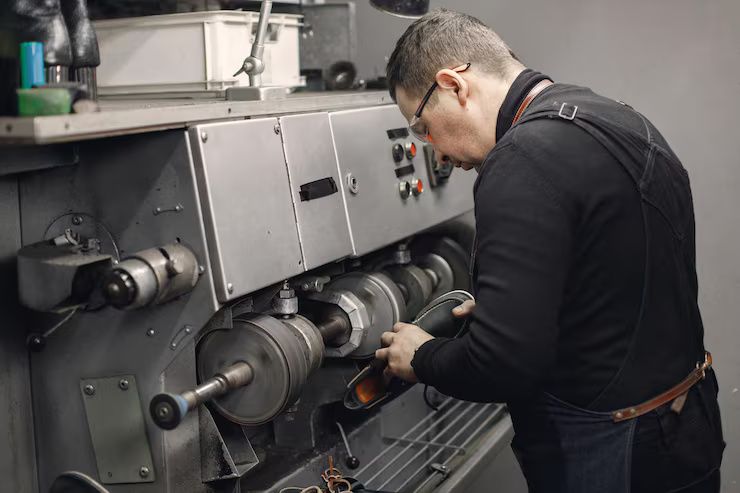
Without proper cnc machine maintenance, components may wear out faster, machine accuracy may decrease, and unexpected downtime may occur. Regular inspection and preventive care help maintain machine performance, protect valuable equipment, and improve operational efficiency.
This article explains cnc maintenance in simple terms. It explores preventive methods, electrical care, tools used during maintenance, and practical insights that help keep CNC machines operating reliably.
Understanding the Concept
CNC machine maintenance refers to the regular inspection, cleaning, adjustment, and monitoring of CNC equipment to ensure that every component operates correctly.
A CNC machine consists of several systems working together:
- Mechanical components such as guideways, bearings, and ball screws
- Electrical systems that control motors and signals
- Control units that interpret programmed instructions
- Cooling and lubrication systems that protect moving parts
Each of these systems must remain in good condition. Even small issues, such as dust buildup or loose connections, can affect machine accuracy.
Cnc preventive maintenance focuses on identifying small problems before they become major issues. Instead of waiting for equipment to stop working, maintenance tasks are performed regularly to maintain stable operation.
For example, a technician may check lubrication levels, inspect electrical wiring, or verify machine alignment. These simple actions help avoid larger problems later.
Another important aspect is cnc machine electrical maintenance. CNC machines rely on sensors, drives, control panels, and wiring systems. Electrical inspection ensures that signals travel correctly between the controller and machine components.
Together, these maintenance activities keep CNC machines accurate, reliable, and safe for daily operation.
Key Types or Categories
CNC maintenance can be grouped into several important categories. Each category focuses on a different part of the machine.
Preventive Maintenance
Preventive maintenance is one of the most common approaches used in workshops and manufacturing environments.
Instead of waiting for a problem to appear, technicians perform regular checks and routine tasks.
Common preventive tasks include:
- Cleaning machine surfaces and work areas
- Checking lubrication systems
- Inspecting coolant flow
- Examining belts and drive components
- Monitoring spindle condition
Cnc preventive maintenance reduces the risk of sudden machine failure and keeps operations running smoothly.
Mechanical Maintenance
Mechanical components are responsible for movement and precision.
These include:
- Linear guideways
- Ball screws
- Spindles
- Tool holders
- Bearings
Mechanical maintenance focuses on reducing friction, preventing wear, and maintaining alignment.
For example, proper lubrication ensures smooth movement of machine axes and helps maintain accurate cutting paths.
Electrical Maintenance
CNC machines rely heavily on electrical systems. The control panel, servo motors, sensors, and cables all play important roles.
Cnc machine electrical maintenance focuses on inspecting and maintaining these components.
Typical electrical checks include:
- Inspecting wiring connections
- Monitoring electrical signals
- Checking motor drives
- Verifying control panel indicators
- Ensuring proper grounding
Electrical systems must operate reliably because they control machine movement and accuracy.
Operational Maintenance
Operational maintenance involves daily routines performed by machine operators.
These simple tasks help maintain equipment condition during normal operation.
Examples include:
- Cleaning chips and debris from work areas
- Checking coolant levels
- Observing unusual sounds or vibrations
- Monitoring machine temperature
These observations help detect early signs of potential issues.
Important Subsections
Lubrication Management
Lubrication protects moving parts from friction and wear.
CNC machines contain multiple moving components that require consistent lubrication. Without proper lubrication, parts may experience excessive friction and wear quickly.
Technicians regularly check lubrication systems to ensure oil reaches guideways and ball screws.
Cooling System Monitoring
Many CNC machines use coolant systems to control heat during cutting operations.
Coolant helps maintain stable temperature and prevents overheating. Regular inspection ensures that coolant flows properly and remains clean.
Alignment and Accuracy Checks
Precision is one of the most important aspects of CNC machines.
Over time, vibrations and continuous operation may affect machine alignment. Periodic checks help maintain cutting accuracy and consistent product quality.
How It Works
CNC maintenance follows a structured process that helps maintain equipment reliability.
A typical maintenance routine includes the following steps:
-
Inspection
Technicians begin by examining the machine visually. They look for signs of wear, loose components, or unusual conditions. -
Cleaning
Metal chips, dust, and debris are removed from the machine surface and internal areas. Clean equipment helps prevent mechanical interference. -
Lubrication
Lubrication systems are checked to ensure that moving components receive adequate oil. -
Electrical Checks
Electrical panels and wiring are inspected during cnc machine electrical maintenance. Connections are verified to ensure stable signal transmission. -
Performance Testing
After maintenance tasks are completed, technicians run test cycles to confirm that the machine operates normally.
This structured process helps maintain machine stability and accuracy.
Benefits and Advantages
Proper cnc machine maintenance provides several important advantages for manufacturing operations.
Some of the key benefits include:
- Improved machine accuracy
- Longer equipment lifespan
- Reduced unexpected downtime
- Consistent production quality
- Better machine safety
- More stable operating performance
When cnc preventive maintenance is performed regularly, machines remain reliable and production interruptions become less common.
Another important advantage is improved operational confidence. When machines operate predictably, operators can focus on maintaining product quality rather than worrying about equipment issues.
Real-World Examples or Applications
CNC machines are used across many industries, including automotive manufacturing, aerospace engineering, electronics production, and metal fabrication.
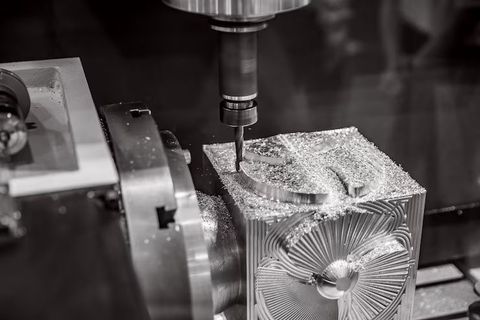
In an automotive parts facility, CNC milling machines produce engine components that require precise measurements. Regular cnc maintenance ensures that each part meets exact specifications.
In aerospace manufacturing, CNC equipment produces components with extremely tight tolerances. Maintenance routines help maintain accuracy required for safety-critical parts.
Another example can be seen in tool-making workshops. These workshops rely on CNC machines to create molds and dies. Consistent cnc machine maintenance ensures smooth machining and precise shaping of metal components.
Even small workshops benefit from preventive care. When operators clean machines daily and perform simple inspections, machines continue operating efficiently.
Important Factors to Understand
Several important factors influence successful cnc maintenance practices.
Maintenance Scheduling
Maintenance should follow a regular schedule. Some tasks are performed daily, while others occur weekly or monthly.
A structured schedule helps ensure that important checks are not overlooked.
Operator Awareness
Machine operators often notice early signs of potential issues.
These signs may include:
- Unusual vibrations
- Unexpected sounds
- Changes in machine speed
- Temperature variations
Observing these signals helps technicians identify problems early.
Environmental Conditions
Workshop conditions can influence machine performance.
Dust, humidity, and temperature changes may affect equipment. Clean environments help maintain stable machine operation.
Proper Tools for Maintenance
Technicians use specialized tools during maintenance routines.
Examples include:
- Precision measuring instruments
- Alignment tools
- electrical testing devices
- lubrication equipment
Using proper tools helps maintain accurate inspection and reliable adjustments.
Future Trends and Industry Insights
Manufacturing technology continues to evolve, and cnc maintenance methods are evolving as well.
Modern CNC machines include advanced monitoring systems that track machine performance in real time. These systems can detect early warning signs such as vibration changes or temperature variations.
Another trend involves predictive monitoring. Instead of performing maintenance only on fixed schedules, machines can provide data that helps predict when maintenance tasks should occur.
Sensors installed inside machines monitor movement, temperature, and electrical signals. This information helps technicians identify patterns that may indicate wear or potential issues.
Automation also improves maintenance efficiency. Advanced diagnostic systems help technicians analyze machine conditions quickly.
As CNC technology continues to advance, maintenance practices will become more precise and data-driven.
Conclusion
CNC machines play an essential role in modern manufacturing. They perform complex machining tasks with high accuracy and consistency.
However, maintaining that accuracy requires regular cnc maintenance. Through structured routines such as cleaning, lubrication, inspection, and electrical checks, machines continue operating smoothly.
Cnc machine maintenance focuses on maintaining mechanical systems, electrical components, and operational stability. Preventive approaches help identify small issues early and reduce unexpected downtime.
Cnc preventive maintenance, along with proper cnc machine electrical maintenance, helps maintain machine reliability, protect valuable equipment, and support consistent production quality.
By following organized maintenance routines and monitoring machine performance regularly, manufacturers can keep CNC equipment operating efficiently for many years.