Harvesting Machines Explained: Working and Modern Farming Uses
Farming has changed a lot over the years. Earlier, people relied on manual labor and simple tools to harvest crops. Today, machines have made this process faster, easier, and more efficient. One of the most important tools in modern agriculture is harvesting machines.
Out in the fields, timing matters most when pulling food from the soil. One wrong move and yields start slipping away. Workers once bent low for hours under hot sun - now steel arms do much of that work. Fewer people walk the rows because metal does it faster. A single combine can sweep across acres where dozens once struggled. Small plots or vast stretches, these tools have found their place almost everywhere. Harvests stay safer, more certain, thanks to gears turning without fatigue.
Farming today looks different because of machines, their roles revealing shifts in how food is grown. Where they operate tells part of that story, showing change happening field by field. Seeing them at work makes clear what's new, not just tools but methods taking shape over time.
Understanding the Concept
Out in the fields, when crops reach full growth, they get pulled from the soil. Following ripeness, stalks are sliced, bundled up, then often brushed free of debris prior to being stowed away. Machines built for this work move fast while keeping precision high. These tools handle slicing, collecting, even tidying, all in one go.
One machine might do jobs that once needed several devices. Take the modern harvester - it cuts plants, pulls out seeds, then clears away debris - all without stopping. While older methods required different tools, today’s models handle it all at once.
Farms grow wheat, rice, corn, along with barley more easily thanks to these tools. Hours replace days of labor when machinery handles tasks once done by hand.
Types of Keys
Big fields often use large harvesters, while small plots need compact models instead. Crop variety shapes machine design - wheat demands one setup, rice another. Some tools work only once a season; others run longer cycles across months.
Combine Harvesters
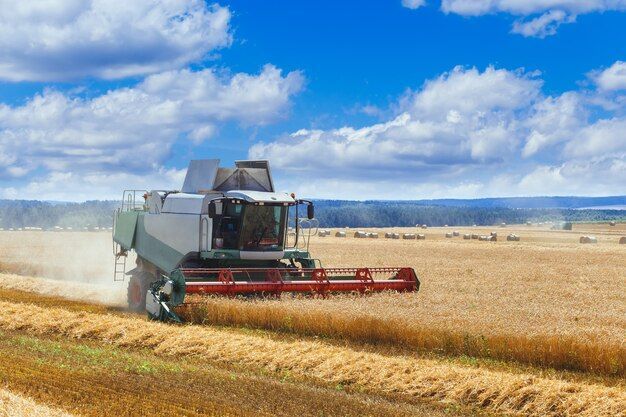
Out in the fields, a big machine called a combine does heavy work. This piece of equipment handles cutting crops, gathering them, also separating grain from stalks - all in one go. Its job would take several different tools to finish not long ago
- Cutting the crop
- Threshing (separating grain from stalk)
- Cleaning the grain
Farms with big fields often choose this machine since it cuts down on work hours. Though bulky, its speed makes daily tasks lighter over time.
Mini Harvesters
Out in tight spots, a little harvester makes sense. Built small, it moves without hassle. Where plots stretch just so far, or ground rolls up and down, this machine fits right in. Farmers tending modest acreage find it lines up well with their needs.
Reaper Machines
Out in the fields, reapers slice through rows of grain. These machines leave out the job of separating kernels or sorting debris. When farmers want control over each step later on, that's where these tools fit in.
Forage Harvesters
Farmers rely on these machines when gathering plants meant for livestock meals. Chopping up fields of greenery - sometimes corn, sometimes grass - they prepare fodder efficiently. Stored neatly afterward, the fragments last longer thanks to this process.
Important Subsections
Crop Compatibility
Besides wheat, some harvesters handle barley more smoothly. Take root vegetables - those need diggers built for soil resistance
- Corn can ride through those big machines just fine. Barley moves easily when the harvester rolls by. Oats slip neatly into bins after cutting. Rye stands up okay during fast passes. Sorghum feeds smoothly into the machinery too
- Grass and silage crops are suited for forage harvesters
Picking a suitable machine hinges on what kind of crop is grown.
field size terrain
Bigger tools work well on wide-open plots. Yet tiny or bumpy areas? They call for something smaller, such as a mini harvester.
Power Source
Some harvesters move thanks to diesel, others use different kinds of power. The stronger the engine, yet the faster it tends to complete tasks. Efficiency often depends on power output though slower units might handle terrain better.
How It Works
Grain flows into the machine when the cutter bar slices through crops. After that, spinning reels push the plants toward the auger header. The auger sends stalks into the threshing drum where grain separates from husks. Then straw moves back while kernels fall down through sieves below. Fans blow air upward so chaff gets pushed out the rear. Clean grain collects inside a tank until it's ready to unload. Watching this flow helps see how each part links together
- Cutting the Crop
- A spinning blade near the ground slices stalks as the device rolls forward across open soil. Then comes the steady rhythm of severed plants falling sideways into rows behind.
- Feeding Mechanism
- Spinning pieces grab the harvested plants, pulling them inside. Inside, more rollers shift the material forward.
- Threshing
- A spinning drum pulls grains away from their stalks deep within the machine.
- Separation
- Out comes clean grain after the device shakes loose stalks and chaff. Separation happens fast when airflow lifts lighter debris away. What remains is what matters - pure kernels ready for storage.
- Cleaning
- Through gentle movement, air lifts away fine bits while screens catch leftovers. Dust floats off when blown, tiny stuff stays trapped behind mesh gaps.
- Collection
- After cleaning, grain goes into storage tanks. Meanwhile, straw gets scattered across the field or gathered up instead.
From start to finish, it flows without stopping - so harvesters work fast.
Benefits and Advantages
Using harvesting machines offers several advantages for modern farming:
- Time Efficiency
- Out in the open, wide plots get cleared fast - combine harvesters make that happen. Speed shows up when machines roll through stretched-out crops.
- Reduced Labor Effort
- Fewer people are needed compared to manual harvesting.
- Better Crop Quality
- Farm tools help protect plants while keeping harvested seeds free of debris.
- Less Crop Loss
- When crops come in early, damage from storms stays low. Delays often mean spoiled yields when rain hits too hard.
- Improved Productivity
- Covering ground faster lets farmers work larger areas without delay - output rises as a result.
Machines matter because farming now depends on them more than ever. Though tools once were simple, today’s work runs differently - powered by speed, shaped by need.
real world examples and applications
Harvesting machines are used in many practical situations across the world.
- Wheat Farms in Large Fields
- Out in the fields, harvest time pushes farmers toward machines that gather crops fast. These big units move through rows, pulling in grain before weather shifts. Time shrinks each fall, making speed essential. Machines take on tasks once done by hand, finishing work in days. Each model rolls across soil, built to cut, thresh, and collect all at once. When the season tightens, efficiency matters more than ever.
- Rice Fields in Rural Areas
- Besides tight spaces, wet ground slows big equipment down - this is when a small harvester steps in. Sometimes it's not size but soggy soil that blocks standard machinery. Where heavy units sink or struggle, lighter harvesters keep moving. Instead of power, they rely on being nimble. Their compact shape fits spots others can’t reach. When terrain turns tricky, these little machines take over.
- Corn Harvesting
- Out in the fields, custom-built equipment grabs corn quickly, then shifts it into sorting mode right away. Machines shaped just for this job move through rows, pulling crops while breaking them down on the spot.
- Animal Feed Preparation
- Crops get cut into pieces by forage harvesters so animals have easier meals. These machines turn fields of green into food that cows can eat quickly. Instead of hand work, spinning blades slice through stalks fast. Farmers rely on them when gathering large amounts during short seasons. What once took days now finishes in hours across wide land.
A single worker on a modest plot might choose a compact harvester just to get through each day’s tasks. Big crews covering wide fields tend toward bigger equipment simply because speed matters out there where distances stretch.
Key Things to Know
Before using or selecting harvesting machines, several factors should be considered:
- Crop Type
- Farm equipment varies in how it handles different plants.
- Field Conditions
- Slippery ground might slow things down. Packed dirt could change how it moves. A smooth surface may help it run easier. Bumpy land often makes operation rougher.
- Machine Size
- Big equipment often fails on tiny plots. Sometimes it just gets in the way.
- Maintenance Needs
- Fixing small issues early keeps things running without trouble.
- Fuel Efficiency
- Machines that work well cut down on daily tasks over time.
Farm choices get clearer when these pieces fit together. Better moves come from seeing how each part connects across the season.
Future Trends and Industry Insights
Farming keeps changing, while harvest equipment grows smarter over time.
- Automation
- Fresh models roll out every month, built so human handling drops without extra effort. Machines now think ahead, cutting down on how much people must guide them each step.
- Precision Farming
- Farmers now pick just what they need because machines get better at spotting ripe spots. Machines improve steadily, so less gets wasted during collection time.
- Smart Technology Integration
- Fitted with sensors, machines now watch how crops grow while checking their health along the way. Monitoring kicks in automatically, feeding data back without needing a prompt. Performance trends emerge quietly as fields reveal patterns overnight. Tools adapt mid-season thanks to live updates flowing from ground level. What shows up on screen matches what roots feel below.
- Compact and Efficient Designs
- Mini harvesters just keep getting stronger, yet they now use less energy. Power grows while fuel needs shrink across newer designs.
- Sustainable Farming Practices
- Fresh builds now shape up with lighter footprints on nature. Machines today grow smarter, yet breathe easier on the planet. Outcomes shift when engineering picks gentler paths. Less harm slips through when design thinks ahead. New forms emerge, built not just strong but kinder too.
Farming's path ahead still leans heavily on harvesters. Machines shape how crops get gathered, year after year. Their presence isn't fading - instead, it grows quieter, more woven into daily work. Expect them to stay, not as heroes, but as steady helpers in fields under open sky.
Conclusion
Out in the fields, gathering food used to take forever. Now, machines do what dozens of hands once did. Starting slow - with blades tied to wood - then shifting into complex gears and motors. Today’s harvesters roll through rows like quiet storms, pulling grain in one end. Speed matters less than consistency now. What takes days can wrap up by noon. Reliability shows in full bins at sunset.
Out on the open fields, a tiny machine picks crops just as carefully as its giant cousin. One moment you see a compact unit moving slowly through rows, next thing there is a massive rig roaring across acres. Machines like these take heavy loads off people’s hands while hitting precise targets every time. Watch them in action and their role suddenly makes sense. Without such gear, feeding so many would look very different today.
Farming tools grow sharper with time, so harvesters can do their job faster, letting growers keep up with more people needing meals without losing good results or speed. Machines change slowly, yet each step forward means better yields alongside steady work on the fields.