Sealing Machine Equipment Explained: Types, Features, and Benefits
Sealing plays a key role in modern packaging. From food items to industrial products, proper sealing helps protect contents, maintain quality, and extend shelf life.
Sealed shut, a packaging unit stays protected when the machine locks it tight. Air stays out. Moisture has no way in. Contaminants are blocked each time the process runs. Closure happens fast - without gaps. The mechanism ensures nothing sneaks into the contents once sealed.
Maybe you’ve spotted a vacuum sealer tucked in a kitchen corner or watched a heat sealer hum inside a factory. Since these tools speed up packing while cutting mess and errors, businesses of all kinds rely on them daily. Once you grasp what happens behind the seal - how air gets pulled or melted shut - you start seeing which method fits each job best.
Understanding the Concept
Wrapped around rolls of film, a sealing machine fuses plastic, foil, or paper through heat, sometimes pressure, now and then vacuum. Its job? Locking out air, keeping what's inside safe, sealed tight without leaks sneaking in.
Take a household vacuum sealer - sucks out the air before locking the bag shut. That keeps what’s inside from going bad too fast. Out in factories, machines take over, running batch after batch without missing a beat.
The basic idea is simple:
- Remove unwanted air or contaminants
- Heat it up or press hard
- Create a tight seal
Keeping things fresh happens more easily when leaks stay avoided. Storage works better because of how parts connect inside. Efficiency grows without needing extra space.
Key Types and Categories
Sealing machines come in different forms, yet every kind handles a particular job. One type might seal packages tightly while another focuses on speed instead. Some work best with liquids, others handle solids without issue. Each version fits certain production needs even if they look similar at first glance. Function shapes design here more than appearance does.
Heat Sealer Machine
Heat melts the edges when a sealing device presses them shut. Often seen closing plastic wraps meant for storage. Machines like these join sides using warmth instead of glue or staples.
Key features:
- Simple operation
- Suitable for many materials
- Widely used in packaging lines
Vacuum Sealer
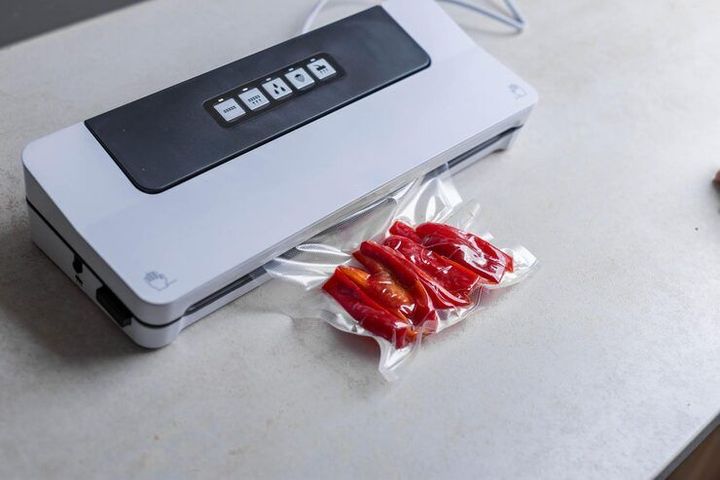
Air gets sucked out of bags by a vacuum sealer just before they close shut. Because the space inside loses oxygen, things like snacks or tools stay fresh much longer.
Key features:
- Extends shelf life
- Reduces oxidation
- Ideal for food storage
Fresh food lasts longer when families pick a reliable vacuum sealer. Some choose these tools just to cut waste at home. A good machine locks out air, slowing spoilage in stored items. People often compare models before deciding what fits their kitchen. Long-term storage becomes easier once the right unit is found.
Band Sealer
Sealing happens nonstop in factories using band sealers. As packages travel on a conveyor, the closure takes place steadily behind them.
Key features:
- High efficiency
- Continuous operation
- Suitable for large-scale packaging
Impulse Sealer
Heat flashes on just a moment, then off - impulse sealers work that way. Because power comes in quick hits, they sip electricity instead of gulping it. Simple to run, thanks to how they save energy.
Key features:
- Quick sealing
- Low energy usage
- Suitable for small to medium tasks
Induction Sealer
From heat made by invisible waves, induction sealers close up bottles and jars tightly. These machines show up most where freshness matters in stored goods.
Key features:
- Tamper-proof sealing
- Common in food and pharmaceutical packaging
- Clean and precise sealing
How It Works
Sealing machines operate in a way that feels clear once you see them in action. Step by step, it goes like this:
- Preparation of Packaging Material
- A small thing goes into a sack sometimes. Inside that, maybe a pocket holds it instead. Or perhaps a box takes its place at other times.
- Positioning
- Inside the machine’s sealing zone goes the package’s open end.
- Air Removal (if using vacuum sealer)
- Inside, the device pulls out every bit of air until nothing remains. A sealed space forms when breathless stillness takes over. Pressure drops sharply once airflow stops completely. Empty volume grows as gases escape through hidden channels. Tight closure locks in emptiness after suction finishes its work.
- Heat Application
- Heat, carefully managed, shapes the edges of the material inside the machine.
- Pressure Application
- Heat presses down, merging the layers into one. The weight binds them slowly. Under force, they become a single unit. Tight squeeze joins each part. Compression makes everything stick. Firm push unites what was separate.
- Cooling Phase
- A chill settles in the enclosed space, then solidifies into a firm connection.
- Final Output
- Inside, everything stays protected because the container locks shut. Ready now for moving or holding in place until needed.
Kept safe throughout, the inside stays exactly as it should. Protection comes naturally when each step holds firm.
Benefits and Advantages
Sealing machine equipment provides many practical benefits across different industries.
Improved Product Protection
Wrapped tight, the container blocks dust along with dampness and outside gases. Quality stays intact because of this shield.
Extended Shelf Life
Food stays fresh much longer when sealed without air inside. A machine that removes every bit of air helps delay rotting quite a lot.
Better Hygiene
Keeping things sealed lowers the chance of unwanted germs getting in - this matters a lot when handling medicine or what people eat. A tight wrap acts like a barrier, quietly doing its job where cleanliness can’t be risky.
Efficient Packaging Process
With machines, packaging moves quicker while staying uniform - unlike hands doing it piece by piece. Speed meets steadiness when automation takes over repetitive wrapping tasks.
Reduced Waste
Sealing things right stops spills, along with harm that follows. Less gets wasted when nothing sneaks out.
Versatility
Some devices work with certain stuff, while others adjust for bigger or smaller wraps - flexible that way. Machines pick up where another leaves off, depending on what they’re built for.
real world examples applications
Everyday life includes sealing machines more than you might think. Picture these real uses instead:
Home Food Storage
Food stays good much longer when air is removed before storage. Often, people use a device that pulls out the air from bags holding veggies, meats, or treats.
Industrial Packaging
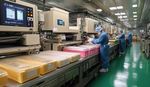
Heat seals shut containers in factories where snacks, powders, or small tools get packed. Machines seal each unit using warmth that fuses plastic edges together during production runs. These systems handle different shapes while keeping contents safe from moisture or air. Instead of tape or glue, thermal pressure forms tight bonds across packaging lines. Temperature-controlled bars press down one after another on every item moving past.
Medical Supplies
Wrapped tight, sterile packs protect medical gear. Machines heat-close each one so germs stay out.
Retail Packaging
Freshness stays locked in when items like chips show up in tight wraps. Coffee arrives tucked away behind firm seals. Frozen meals come shut tight to keep their look just right.
Electronics Protection
Wrapped tight, delicate parts stay safe from dampness while sitting still or moving around.
Key Things to Know
Before using or selecting sealing machine equipment, there are several important factors to consider.
Type of Material
Some devices handle only certain stuff - plastic, say, or maybe foil. Others need laminated sheets just to function properly.
Seal Strength
When heat rises, the bond grows stronger, yet too much pressure can break it fast. Settings must stay steady if long life matters at all.
Machine Size and Capacity
Mini devices work fine around the house, yet bigger ones manage heavy-duty tasks. Machines sized for homes do light jobs, whereas industrial units power through large loads.
Ease of Operation
Smooth handling comes from simple buttons that help you run the device without trouble or long training. A clear layout cuts down on confusion when fixing or checking parts later on.
Maintenance Requirements
Every now and then, wiping things down plus checking them keeps results steady. A clean setup tends to run without hiccups. Spotting small issues early means fewer surprises later on. Running a quick look-over pays off when everything works right.
Energy Consumption
During the sealing process, certain devices such as impulse sealers draw power just then, which helps save energy overall.
Future Trends and Industry Insights
Still moving forward, sealing tech shifts with industry needs for less waste and smarter performance. Efficiency pushes change just as much as eco concerns shape what comes next.
Smart Automation
Out of nowhere, today’s sealers handle tasks on their own. With sensors leading the way, precision gets a boost while mistakes slip away. Digital brains keep things steady, making hiccups less likely. Machines now adjust without being told, simply responding when conditions shift.
Eco-Friendly Packaging
Folks are starting to pay more attention to stuff that breaks down naturally or can be reused. Because of that shift, sealing equipment is slowly changing its ways - now built to handle those kinds instead.
Compact Designs
Fitted into tighter spots, fresh builds still push strong results - perfect where room runs short, like shops that rent narrow spaces or people using computers at kitchen tables.
Enhanced Vacuum Technology
Now seals shut tighter because machines pull out air better. These tools close bags with sharper accuracy than before. Better pumps mean less leftover oxygen inside. Precision grows as parts work smoother together. Efficiency climbs when the process runs cleaner. Fewer mistakes happen during closure now. Design tweaks help grab every bit of air. Performance jumps without needing bigger motors. Tighter vacuums come from smarter engineering. Results turn more consistent across uses.
Connecting With Packaging Equipment
More often, sealing machines link directly into complete packaging setups. This connection smooths operations while lifting output naturally over time.
Conclusion
From snack bags to medical supplies, sealing gear quietly does its job behind the scenes. Not just heat models but also high-end vacuum types lock in freshness without fuss. One moment it seals plastic wrap tight, the next it keeps bacteria out of sterile items. These machines guard what's inside while pushing waste aside. Though they seem basic at first glance, their impact stretches far beyond a closed package.
Sealing machines show up everywhere - kitchens, big plants - their role clear when you see them in motion. Knowing what kinds exist, plus how each one operates, helps shape smarter choices. Efficiency and dependability in packaging? That comes down to these tools doing their job right.
One day soon, new upgrades might help these machines work faster while using less energy. Efficiency could grow alongside smarter adjustments to different tasks. Cleaner operation may come from better materials and design choices. Their role in how products get packed stands to change quietly but deeply. Future setups will likely rely on such systems without much fanfare.