Skin Packaging Machines: Complete Guide to Process and Benefits
Packaging plays a big role in how products are protected, displayed, and handled.
Now here's a way some people pack items these days - machines wrap each piece tightly in clear film. Safety comes first, yet visibility stays sharp so checks go smoothly.
Most things - like gadgets, gear, or groceries - now come sealed by a skin pack machine to last longer and show better. Picture it: each item gets hugged in transparent wrap so close it seems dipped in air.
This guide covers how the packaging functions, what kinds exist, their advantages, while showing typical applications. Alongside function comes form, shaping each type differently depending on use. Benefits emerge through real-world performance rather than claims alone. Where people rely on protection during transport, this packaging appears regularly in daily operations.
Understanding the Concept
Over the item goes a clear plastic layer, fixed to a stiff base like paperboard or firm plastic. Heat softens the wrap before suction pulls it snug against every curve. What results sticks close to the object's form through gentle pressure. Tight contact happens when air gets drawn out after warming. A smooth seal forms once everything cools down again.
Wrapped around the item, a skin vacuum packager pulls out every bit of air. Close contact forms between film and surface because suction tightens everything down.
A snug casing hugs the device much like a case shaped exactly to a phone's form. While holding everything steady on the move, this close match offers defense too.
skin packaging features
- Transparent film for clear visibility
- Strong sealing for product stability
- Custom fit around different shapes
- Reduced movement inside the package
Types of Keys
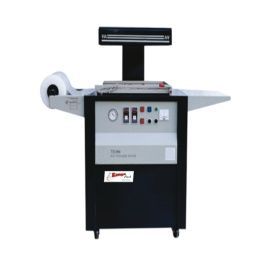
From compact models to large-scale units, skin packagers differ by how they handle tasks and where they’re used. Some run fully on their own, others need more hands-on control, depending on production needs.
Manual Machines
Most of these tools work on a basic level, meant for lighter tasks. Each stage needs someone there to guide it along.
- Suitable for low production
- Easy to operate
- Ideal for small workshops
Semi-Automatic Machines
Working by hand meets machine steps inside these tools. Some parts move on their own while people still guide others.
- Speed beats hand-powered tools every time
- Requires limited human effort
- Common in medium-sized industries
Automatic Machines
Out in busy factories, machines handle skin packaging without any hands-on help. These units run on their own, moving steadily through each step. Automation takes charge where speed and volume matter most.
- High-speed operation
- Consistent results
- Minimal human involvement
Important Subsections
Film Materials
Some movies work better for certain products. A comedy might fit snacks, while dramas suit serious brands. Action scenes often pair with energy drinks. Cartoons usually go with toys. Each choice matches the item's vibe in its own way
- PVC film for general items
- Polyethylene for flexible packaging
- Barrier films for food items
Backing Materials
Standing firm beneath, the base holds everything up while showing it off
- Cardboard for retail display
- Corrugated board for heavier products
- Thick plastic layers last longer when weather tries to wear them down
How It Works
A skin pack machine runs through its job without fuss. Step one begins like this: a sheet of plastic gets warmed up slowly. After that comes placement - items sit on a tray below. Heat makes the film stretch just enough to hug everything tight. Air removal happens next, pulled out by suction underneath. Sealing follows as edges bond firmly together. Cooling sets the shape so it stays put. Each cycle ends clean, ready for what comes after
- Product Placement
- A small object sits atop a stiff surface. Make sure it rests straight, with no dust around. Placed carefully, alignment matters most.
- Heating the Film
- Softening happens when a thin sheet of plastic gets warm. Flexibility follows after enough heat shifts its form.
- Covering the Product
- A warm layer gets laid on top of the item along with its support surface.
- Vacuum Process
- Inside the chamber, air gets pulled out by a pump. As pressure drops, the plastic hugs the item close. Sealing happens once the fit feels snug all over.
- Sealing
- Firm against the board, the film holds fast, creating a tight bond. Sealing securely, it stays fixed in place across the surface. Locked down by pressure, a dependable closure takes shape. In position now, adhesion keeps everything sealed well.
- Cooling
- A chill runs through the material until it stiffens. This stiffness keeps everything locked where it needs to stay.
Protection remains strong while visibility stays sharp throughout this method. The item is kept safe yet easy to see at every step.
Benefits and Advantages
One reason skin packaging shows up so often? It holds items firmly while staying cheap to produce. Tough to beat when cost matters just as much as protection.
Strong Product Protection
Because it seals tightly, things inside stay put, which means less chance of harm when moved around. Movement stops where the fit is snug, so bumps along the way do less wrong.
Better Product Visibility
Because it lets eyes pass right through, what's inside shows up sharp and clear. A shopper spots the item straightaway, no need to tear anything open.
Space Efficiency
Wrapped snug to the item inside, packages shrink down how much room they need. Shape-hugging covers mean less empty air around what's packed.
Improved Shelf Appeal
Presentation matters when things appear tidy - clean lines catch the eye without trying too hard. A sharp look pulls focus simply by being clear and in order.
Reduced Material Usage
This way packs the same stuff with thinner wraps. Less bulk means fewer resources used along the way.
Some products last longer
Used the right way, this keeps air away, helping certain things last longer.
real world examples and applications
Wrapped goods sit on display in stores, clinics keep tools sealed this way. Food items often come protected by clear film that clings tight. Electronics move through shipping zones inside these skins. Medical supplies stay clean until opened at hospitals. Toys arrive without scratches thanks to snug plastic layers
Electronics
Secured neatly inside plastic, batteries find a snug fit thanks to skin packaging that holds everything tight. Cables slip into place just right, held firm by the clear covering shaped around each one. Accessories stay put, locked under vacuum-formed film that keeps them on display yet protected. Visibility stays high while safety improves, all through a method built for small goods.
Tools and Hardware
Packed like this, screws plus bolts stay safe alongside tiny tools. Loss gets avoided because the packaging holds everything tight. Damage? Rare when each piece has its spot.
Food Industry
From time to time, cuts of meat or fish get packed tight under plastic wrap using a special suction tool. This method helps keep what's inside tasting just caught or freshly butchered. Air gets pulled out slowly so nothing spoils too fast. Freshness holds longer when oxygen is mostly gone. You will often spot these sealed trays deep in supermarket coolers.
Automotive Parts
Besides clips, tiny pieces such as connectors show up neatly tucked away. Fittings sit secure inside, grouped so they’re simpler to spot.
Retail Products
Because it shows products well, toys find a good fit in this kind of wrap. Pencils sit neatly inside thanks to how clear the material looks. Everyday home things move easier through stores when packed this way.
Key Things to Know
Thinking through some basics makes sense prior to running a skin pack machine. Each detail matters more when you start lining up the steps ahead of time. One wrong move might slow everything down later on. Getting familiar with the layout helps avoid surprises mid-process. Small oversights tend to grow into bigger issues if ignored early. Watching how parts fit together changes how smoothly things go. Mistakes often come from rushing without checking first.
product shape and size
Some things just won’t work here. Items that break easily or have sharp edges might require different care.
Film Quality
Film choice shapes how long it lasts, also changes how it looks.
Machine Capacity
Start by looking at how much you need to produce. When output runs high, go with automated models instead.
Environmental Conditions
Foggy air might slow how boxes are sealed. Moist conditions change how materials behave during wrapping.
Maintenance Needs
Every now then, a quick check keeps things running smooth. Dust builds up slow unless wiped down often.
Safety Measures
Operators should follow proper safety guidelines while using the machine.
future trends and industry insights
Now machines shape how products are sealed tighter than before. New tools change the way items fit inside their wraps every day.
Eco-Friendly Materials
More companies are moving toward recyclable and biodegradable films.
Advanced Automation
These days, skin packaging gear thinks better thanks to digital brains inside. Systems watch every move, adjusting on their own. Smarts build into the machine help it run without constant watching. Clever tech keeps things moving smoothly behind the scenes.
Improved Film Technology
Fresh movies bring tougher builds, sharper visuals, along with smoother bending.
Connecting With Smart Technology
Faster results come when machines link directly to assembly workflows. Efficiency grows because data moves without delay between systems.
Custom Packaging Designs
More people want different forms, so items stand out better on display. Shapes now matter just as much as function when catching attention.
Out of step with old methods, skin packaging shifts toward what people now require. Though quiet in its spread, this form stays rooted in practical change.
Conclusion
Wrapped tightly, products gain strength and visibility through skin packaging. With this method, companies see better grip plus clearer presentation on shelves. A steady hold comes from the seal, yet appearance stays clean and sharp. Protection grows stronger while visuals remain neat alongside practical handling.
Start by setting the item inside. Then comes the warm seal that locks it shut - each move sharpens how well it's packed. A quiet strength hides in steps so basic.
One reason plenty of fields stick with this approach? It guards contents well, keeps things visible, uses room smartly. Since tech keeps moving forward, machines that handle skin vacuum packing are likely to matter even more down the line.
When you see how the system operates, choices about packaging get clearer - no matter if it's for a single setup or something much bigger. What happens inside shapes what you pick later. A look under the hood changes how you plan ahead. Knowing steps means fewer guesses down the road. Even basic setups benefit when details make sense. Size doesn’t change the value of clarity.