Industrial Drilling Machines Guide: Tools, Functions, and Benefits
Industrial drilling machines play a key role in modern manufacturing and construction. These machines are used to create precise holes in materials such as metal, wood, plastic, and concrete. From small workshops to large production units, they help improve accuracy, speed, and consistency.
From car components to massive factory frameworks, drills designed for heavy tasks back countless fields. Getting a clear picture of their role - how they function, what sets them apart - guides smarter moves on shop floors and job sites alike.
Understanding the Concept
Spinning tools bite through stuff like metal or wood, thanks to heavy-duty rigs built for the job. Power meets precision when these units push forward - steady pace, steady pressure - to leave smooth openings behind.
Heavy-duty drilling tools work harder and last longer than portable ones. Some run on their own, cutting down hands-on time while hitting exact spots every go. Take a CNC unit - guided by software - it places each hole with tight consistency, no guesswork needed.
Put plainly, such devices turn unprocessed stuff into workable parts through making openings needed for putting things together, holding them in place, or shaping a look. Machines do this job quickly yet carefully, depending on what the task asks.
Key Types and Categories
Some industrial drills fit certain jobs better than others do. These machines change depending on where they work plus what they need to accomplish.
1. Bench Drilling Machines
Built right into a bench, these small machines handle light jobs well. When the material is thin or delicate, they do the job without trouble.
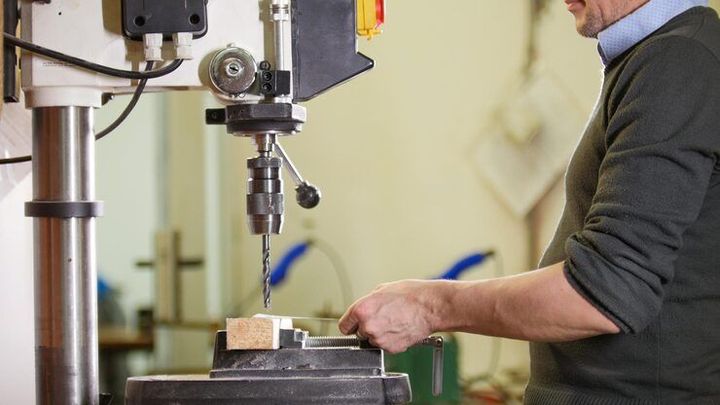
2. Pillar Drilling Machines
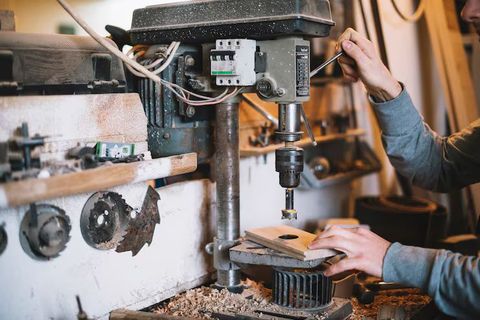
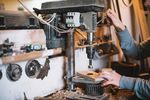
Standing tall like workhorses, these tools go by the name column drills. Bigger builds pack stronger performance. Workshops often rely on them when tasks need steady power. Medium jobs fit their usual role.
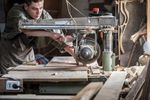
3. Radial Drilling Machines
Drilling into big, bulky parts? This kind of machine handles it well. A shifting arm lets the tool reach odd angles without moving the object itself.
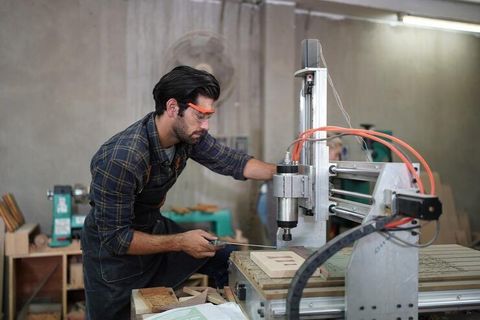
4. CNC Drilling Machine
A CNC drilling machine follows coded directions to handle hole-making jobs without manual effort. Often found where exactness matters most, it repeats actions flawlessly every time.
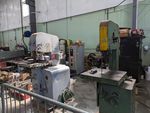
5. Heavy Duty Drilling Machines
Out in heavy workshops, you’ll spot these machines tearing through thick stuff without slowing down. Built to handle big jobs, they keep going where others would quit - rugged power wrapped in steel frames.
Important Subsections
Drill Bits
Attached to machines, drill bits do the actual cutting. Depending on what you’re working through, one type might swap out for another.
Speed Control
Spinning too slow might stall the bit. Yet going too fast can melt plastic or burn wood. A middle pace often works best for most jobs. Some materials need a lighter touch than others do. Matching rotation rate to surface type keeps things smooth.
Feed Mechanism
Downward motion depends on this setting. Without a consistent push forward, holes wander off track.
Cooling Systems
Few machines built for heavy-duty boring rely on ways to stay cool when running nonstop. Cooling kicks in so the parts do not burn up under pressure. Heat builds fast, yet systems push fluids through to balance it out. Without these fixes, metal wears down quicker than expected. Constant spinning creates friction, still safeguards help avoid sudden failures.
How It Works
Start by picturing how a drill moves through metal. One step leads to rotation powered by an electric motor. That motion connects to a spinning bit pressing downward. Pressure comes next - steady force keeps the tool on track. Heat builds during contact, so cooling fluid flows in. Chips form as material gets removed gradually. Each phase follows without skipping ahead. Movement repeats until the hole reaches proper depth. The machine stops once the task finishes
- Material Placement
- Fastened tight, the material sits solid on the machine surface. Movement stops because it is held firmly in place.
- Tool Selection
- One picks a proper drill bit by matching it to what the material is like and how big the hole needs to be.
- Speed Adjustment
- The operator sets the appropriate rotation speed.
- Positioning
- Starting at the marked spot, the drill lines up precisely. Position matters most when aiming true.
- Drilling Process
- Beneath steady force, the device spins the cutting tip to form an opening.
- Cooling and Finishing
- Cold techniques can kick in here; once done, someone checks how precise the drilled space really is.
When machines handle tasks such as drilling, code tells them what to do instead of people stepping in each time.
Benefits and Advantages
Heavy-duty drilling setups deliver solid results across many fields today. Because they handle tough jobs reliably, factories often depend on them. Machines built for deep boring save time when precision matters most. Where exact holes are required, these systems perform without fail. Their strength allows continuous operation under pressure. Since mistakes cost more, accuracy becomes a key advantage. Equipment designed for long runs reduces delays caused by breakdowns
- High Precision
- Built to drill precise openings every single time, these units ensure parts fit together without issue. Holes come out uniform, making the whole process smoother down the line.
- Increased Efficiency
- Drilling quicker cuts down how long tasks take. Time shrinks when machines move fast.
- Reduced Manual Effort
- With machines taking over routine tasks, people step back more often. Machines handle work once done by hand every single day.
- Versatility
- From metal to plastic, their tools handle many jobs without fuss. Materials shift daily yet performance stays steady.
- Durability
- Built tough, these drills handle rough jobs day after day without quitting. They keep working hard where others would fail.
- Improved Safety
- Fewer accidents happen when machines stay put instead of moving around by hand. Steady systems handle tasks more safely than loose equipment does.
real world examples and applications
Out in factories, you will spot heavy drill rigs at work. Take construction sites - machines bore deep into materials there. Oil fields rely on them, too, pulling resources from far below ground. Mines use similar gear when breaking through rock layers. Even shipbuilding docks run drills nonstop shaping metal frames. Each field adapts the tool slightly differently
- Automotive Industry
- Drilling into engine pieces happens first, followed by work on frames using similar methods. Components line up next, waiting their turn for precise hole placement during build stages.
- Construction Sector
- Boring through concrete, also cutting into steel when needed for buildings. Holes form where strength matters most during construction tasks.
- Aerospace Manufacturing
- Built for tight-tolerance holes in plane parts. Drilling must hit exact specs every time. Precision matters most here - no room to drift. Each hole shaped by strict rules. Accuracy drives the whole process forward.
- Metal Fabrication Workshops
- Used for shaping and assembling metal structures.
- Furniture Production
- Boring into wood for fixtures? This handles the task smoothly. Holes form easily when joining pieces together. Fittings slip right in after carving out space. Joints gain strength once openings are shaped. Prepping timber becomes quicker with clean cuts made.
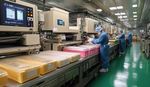
A single hole made today matches one drilled weeks ago - consistency built into each motion by automated tools shaping car parts. Metal sheets pass through stations where precision repeats itself without pause or guesswork guiding the process.
Key Things to Know
Before working with industrial drilling equipment, it is important to consider several factors:
Material Type
Wood works faster than metal when drilling. That means the tool must spin quicker through soft stuff, yet crawl on hard surfaces.
Machine Capacity
A big job needs a strong machine, otherwise it just won’t keep up. Size has to fit what you’re doing, or things slow down. Power matters most when the work piles on. Match them right, then everything runs smoother.
Maintenance
Every now and then, wiping things down keeps grit from slowing parts. A quick look-over catches wear before it turns into bigger trouble.
Operator Knowledge
Without correct configuration, even self-operating devices won’t work well. Starting them up wrong leads to problems later. Knowing how they run makes a big difference down the line.
Safety Measures
Wearing safety equipment matters when things are running. Staying safe means sticking to the rules every time.
Precision Requirements
Flying machines demand tighter precision than building houses ever does. Air travel relies on measurements far stricter than those used for walls and roofs.
future trends and industry insights
Industrial drilling machines continue to evolve with advancements in technology. Here are some trends shaping the future:
- Increased Automation
- Factories now choose CNC drilling setups more often because they get work done faster. Machines handle tasks once done by hand, reducing delays across production lines.
- Smart Monitoring Systems
- Fitted with sensors, machines now monitor their own health while spotting problems before they grow. Early warnings come through constant feedback instead of waiting for breakdowns. Performance shifts get noticed because tiny changes matter just as much as big ones. Hidden flaws surface faster since data flows without delay. Alerts pop up only when something moves outside normal patterns.
- Energy Efficiency
- Fresh blueprints aim to cut power needs without losing performance. Though efficiency climbs, strength stays steady through smarter setups.
- Compact and Multi-Function Machines
- One task after another gets done by today's machines without needing changes. These setups manage several jobs at once, thanks to smarter designs inside.
- Enhanced Precision Technology
- Patches roll in day by day, nudging the system closer to sharper results. Precision climbs without announcement, fed by quiet tweaks behind the scenes.
Faster progress in factory hole-making tools now supports business needs without losing precision. Machines adapt better, so work stays accurate even under pressure.
Conclusion
Drilling machines in factories do jobs by making holes where they need to be. Because of their precision, these devices handle tasks regular hand tools struggle with. Efficiency shows up when work moves fast without losing quality. Reliability matters most when operations run day after day. Construction crews depend on them just like production lines do.
Starting with simple bench models, right through to complex CNC setups - drilling equipment covers plenty of ground. Tough builds tackle tough jobs. At the same time, automation steps in to sharpen accuracy and keep results steady.
Drilling gear in factories might seem complex, yet knowing what kinds exist brings clearer ideas about their uses. When one part moves another follows, creating motion that cuts through materials with steady force. Some run on hydraulics, others rely on electric power, each fitting different job demands. Over time they’ve grown smarter, adapting to tighter tasks without losing strength. Progress pushes them into new roles where precision matters most. Machines once limited by size now work in tight spots thanks to clever redesigns. Their presence changes how fast projects finish, shifting timelines in quiet but meaningful ways.