Food Processing Machines Guide: Equipment and Processing Methods
Food processing plays a major role in how food reaches our plates today. From packaged snacks to ready-to-cook meals, machines help transform raw ingredients into safe, usable products. Without modern equipment, handling large volumes of food would be slow and inconsistent.
This guide covers the way automatic food machines operate, along with what makes them relevant plus where they show up in daily routines. If industrial setups spark interest or simply knowing how meals get ready matters to you, here’s a clear look without confusion.
Understanding the Concept
From fields to plates, gadgets help shift unprocessed ingredients into what we eat. Starting with dirt removal, they move on to slicing, sometimes blending stuff together when needed. Heat gets applied at times, followed by chilling once done cooking. Wrapping things up comes last, making sure everything stays fresh till it reaches someone's table.
Picture this: tasks once done by hand now happen with steady accuracy, thanks to machines. Take veggies - rather than slicing each one manually, equipment handles heaps in moments, all pieces turning out just alike.
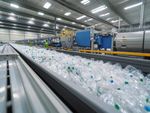
Out in big production spots, massive equipment handles endless batches each day. Because consistency matters, these tools keep flavors and finishes matching every single time. Starting right means finishing strong - uniform results come from steady systems at work.
Key Types and Categories
Whatever you’re making, the gear changes based on what it is and how it's made. Here’s a look at the broad types that show up most often
1. Preparation Machines
Starting out, these units take care of early work steps. They manage what comes first in the flow. Handling begins here before anything moves forward. First tasks land on their shoulders automatically.
- Washing systems for fruits and vegetables
- Peeling machines for potatoes and carrots
- Cutting and slicing machines
2. Mixing and Blending Equipment
Used to combine ingredients evenly.
- Dough mixers for bakery items
- Blenders for sauces and beverages
- Homogenizers for milk and dairy products
3. Heat Processing Machines
Heat runs through these devices to prepare meals or keep them fresh.
- Ovens for baking
- Fryers for snacks
- Pasteurization units for milk
4. Cooling and Freezing Equipment
Freshness lasts longer when things are kept cool. Shelf life grows under lower temperatures.
- Refrigeration systems
- Blast freezers
- Cooling tunnels
5. Packaging Machines
Built to handle meals before they move, these units get them ready. Packed tight, what's made here waits on shelves till it ships out.
- Sealing machines
- Filling machines
- Labeling systems
Important Subsections
Manual versus Automated Systems
People run manual machines every single time they’re used. Machines that work on their own need far less help once set up. Faster results come through automation, mistakes happen much less often.
Batch Versus Continuous Processing
- Batch processing handles food in separate groups
- Running without pause, continuous processing fits best with large-scale output needs
Hygienic Design
Smooth-running machines today get cleaned fast. Because of that, germs have fewer places to hide. Safety stays high when dirt does not stick around.
How It Works
Food processing follows a structured flow. Here is a simple step-by-step explanation:
- Raw Material Intake
- From time to time, workers get grains, veggies, or animal protein - each batch must pass inspection first. Quality checks happen right after delivery shows up at the door. What arrives gets looked over carefully before anything moves forward. Every bit of food material is examined once it reaches the facility.
- Cleaning and Sorting
- Picking through crops, machines toss out debris without slowing down. Dirt disappears first, then rocks vanish just as fast. Unwanted stuff gets kicked aside when the sorter runs its course.
- Preparation
- Chopped, skinned, or formed - how food looks depends on what it’ll become. Pieces change shape based on where they’re headed next.
- Processing
- Heating milk kills dangerous microbes during processing. Sometimes, ingredients get blended or left to ferment instead.
- Preservation
- Cold slows down spoilage. Freezing stops decay in its tracks. Drying removes what bacteria need to survive. Each method stretches how long food stays safe.
- Packaging
- Freshness begins when food gets tucked into containers, prepped next for shipping out. Containers lock in quality while meals wait their turn to travel.
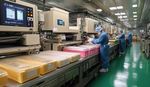
From start to finish, custom-built equipment keeps things running smoothly. When making food in bulk, one machine flows into the next without stopping.
Benefits and Advantages
Using food processing machines provides several practical advantages:
- Consistency
- Uniform appearance and flavor across items help people feel sure about what they get. A steady pattern like that quietly strengthens confidence over time.
- Time Efficiency
- Faster processing of big volumes happens through machines compared to doing it by hand.
- Improved Safety
- Fewer contaminants appear when settings stay tightly managed.
- Reduced Waste
- Exact cuts plus careful sizing reduce waste bit by bit. A steady hand keeps more of what you need.
- Scalability
- Faster output doesn’t have to mean weaker results when companies scale up. Still, keeping standards steady takes planning beyond just pushing more through the door.
- Better Hygiene
- Fresh tools today follow tight rules for staying clean.
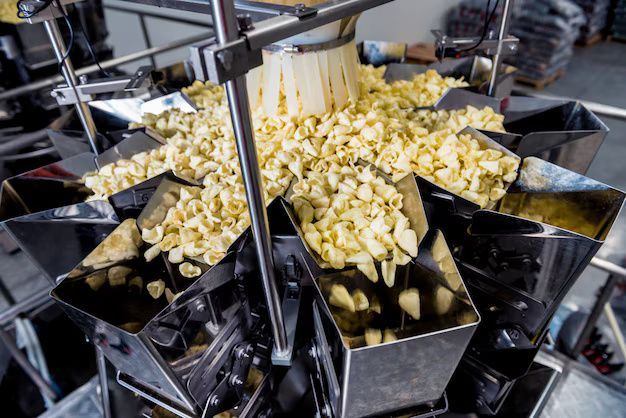
A single bite-sized treat made by machine tends to match the next, even when cranking out countless packs each day. One reason? Automation keeps shapes steady, taste consistent. Picture row after row rolling off a line - each batch just like the one before, no guesswork needed.
real world examples and applications
Food processing machines are used in many industries. Here are some relatable examples:
Bakery Industry
Baked goods like bread and pastries start with mixers doing the stirring work. Once blended, they wait inside warm rooms where dough rises on schedule. Heat finishes the job - ovens handle baking just right. The outcome stays steady each time thanks to machine control behind every batch.
Dairy Industry
Poured into heated chambers, milk flows through pasteurizers first. After heat treatment comes forced pressure in homogenizers. This dual step removes harmful microbes while stabilizing fat particles. Stored longer without spoiling, the result reaches fridges across regions.
Beverage Industry
Bottling lines mix flavors before pushing liquids through fine screens. After that comes sealing into containers ready for shipping. Machines handle each phase without needing hands.
Frozen Food Industry
Freshness gets locked in when veggies plus prepared dishes go through rapid freezing. Freezing fast stops quality loss in its tracks during storage. Blast chillers handle the job before packages reach store shelves.
Snack Manufacturing
Baked pieces start life on slicing tools, then move into hot oil baths. From there, they tumble through flavor sprays before bagging begins.
From farm to table, modern machines shape what we eat every day. Equipment hums through tasks once done by hand. Large batches move fast thanks to precise tools. Meals reach people quicker because systems work without pause. Speed meets consistency when technology runs the line.
Key Things to Know
Getting familiar with some main points makes things clearer when you start looking into how food machinery works
1. Food Safety Standards
Food safety depends on machines following tight rules for cleanliness and protection. When equipment stays clean, risks drop without extra steps or promises. Rules exist because mistakes can spread fast if ignored too long.
2. Material Compatibility
Freshness matters when picking what touches your meals - stainless steel stays clear of unwanted mix-ups. A reaction-free surface keeps flavors honest, built to resist change. Materials like these stand apart, doing their job without altering a single bite.
3. Energy Efficiency
Running well means using less power without losing speed. Machines that work smoothly need fewer resources yet keep up the task.
4. Maintenance Needs
Wipe it down now and then so things keep moving right. A little care here means less trouble later on.
5. Production Capacity
Some machines work better when you need a lot of product fast. When big batches matter, heavy-duty equipment handles the load.
6. Flexibility
Not every machine tackles just one job - many juggle various foods without missing a beat. Their flexibility shows up when switching between tasks smoothly.
Future Trends and Industry Insights
Faster changes sweep through how food gets made. Smarter gear shows up, powered by fresh tech that cuts waste while running smoother.
Smart Machines Doing Tasks Automatically
Now these food machines think a bit on their own. Settings shift mid-task when things run off track.
Robotics
Sorting jobs now go to machines that move with steady precision. Packaging work shifts to automated arms working without pause. Delicate objects get moved by robotic hands built for light touch.
Sustainable Processing
Finding ways to save power plus cut down trash is becoming more central these days.
Improved Food Safety
Finding pollution fast happens when sensors keep watch, while monitoring gear backs up quality checks.
Customization
Some machines take shape around certain cooking steps or output goals. A few grow out of how much a kitchen needs each day.
Years ahead, machines for making food look set to get smarter. Efficiency grows where tech steps into kitchens. Safety tags along, rising with each upgrade. Progress hums quietly through factories changing how meals are made.
Conclusion
Starting with fresh materials, machines take over to shape what we eat every day. One after another, tasks like chopping, mixing, or heating happen with steady precision. When it comes to sealing items for sale, specific tools handle the job without pause. Behind every bite, there's a sequence of mechanical actions making sure things stay clean and uniform.
Machines that handle food automatically now help keep up with rising needs without losing consistency in results. With time, new tech pushes the field forward, making operations smoother and smarter bit by bit.
Peering into their mechanics paints a better view of where meals go before they land on your plate.