Automatic Packaging Machines Explained: Types, Working, and Benefits
Packaging plays a big role in how products reach people safely and efficiently. From food items to electronics, proper packaging protects goods and improves handling. Automatic packaging machines are designed to make this process faster and more accurate.
Speed matters in modern production, yet hand-packing tends to lag behind. That gap? Automation fills it. Companies increasingly turn to top-tier automated packagers for smoother output and less strain on workers. Peek under the hood of these systems, and the reasons for their popularity start making sense.
Understanding the Concept
From start to finish, packaging happens faster when machines take over the work. Tasks such as putting items into containers, closing them up, adding labels, or covering them completely run on their own. Human hands step in less often now.
When it comes to packing, robots now take over what workers once did manually. These smart setups rely on sensors that talk to motors while controls keep everything moving smoothly.
A snack factory might work like this: a machine takes over what people used to do by hand. Rather than relying on hands to scoop and pack, it quickly weighs each portion. After measuring, the device slips contents into bags without pause. Once filled, the bag gets closed tight - no delays. In just moments, it's stamped, ready to ship out. The whole process flips slow steps into something smooth, fast, done.
Speed, precision, then steady performance shape how these machines operate. Uniform packaging comes through naturally, thanks to their reliable function - quality stays high, visual appeal follows along.
Key Types and Categories
Some automatic packaging machines work one way, others another - built for particular jobs across various fields.
Filling Machines
Pouring stuff into bottles, pouches, or boxes is what these machines do. Liquids often move through them, sometimes powders too, though granules show up now and then. Their job sticks to filling, nothing more.
Pouring liquid into containers, while powder gets sealed in pouches. Bottles receive their contents one by one, whereas sacks are loaded steadily on a line. Machines handle the flow here; elsewhere workers check weight and seal quality.
Sealing Machines
Wrapped shut by sealing machines, packages stay safe inside. Heat might seal them - sometimes it’s pressure doing the job. Adhesives work too, holding things closed without fuss.
Keeping snacks fresh by sealing their packages.
Wrapping Machines
Some devices bundle items using wrap, often plastic stuff that shields what's inside. Machines made for this job slide material around things fast. Plastic goes on smooth when these tools work right. A layer sticks close during the process. Protection matters most after it finishes.
Use paper to cover soaps or small presents.
Labeling Machines
From time to time, devices stick tags on boxes. Those tags often show what’s inside, how to use it, or a company name. Sometimes they’re plain, sometimes full of info.
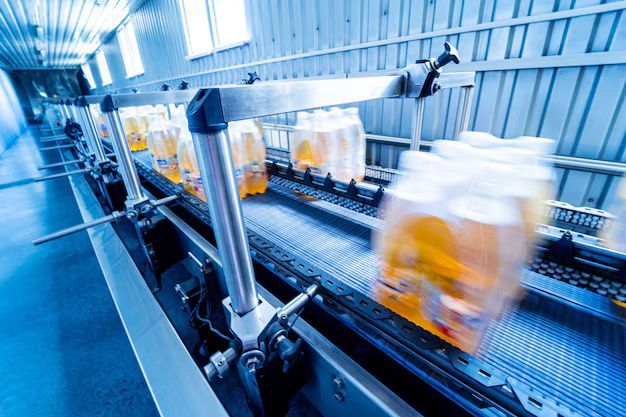
Labels get placed on bottles moving through a drink production setup.
Form-Fill-Seal Machines
Out of nowhere comes a machine able to form a container while slipping the item inside before shutting it tight - all without stopping. One step follows another like clockwork, yet each motion feels almost accidental in its precision.
Pouches get filled with biscuits, then sealed tight. Chips go inside next, closed up after. Each pack holds snacks safely shut. Sealing keeps freshness locked in place. Biscuits stay crisp till opened later. Wrapping stops air from getting near.
Important Subsections
Vertical Versus Horizontal Machines
- Falling straight down, the item gets tucked into a pouch through vertical systems. Often seen handling fine grains or tiny parts, these units stack up neatly on factory floors.
- Sliding things flat, horizontal packers tuck goods into wrappers on their sides. Built for treats such as cookies or snack blocks.
Semi Automatic Compared to Fully Automatic
- Putting items into place is one thing people still need to do with semi-auto machines. Machines that are partly automatic depend on folks for tasks like loading goods.
- These machines handle every step on their own. No person needs to step in once they start running. Everything happens inside, sealed off from outside touch. Operation continues nonstop until the task finishes completely.
Speed and Capacity
One machine might move slow, yet another races ahead just to keep up. A few fit best in tiny spaces, whereas speed demons chew through piles of parcels every single hour.
How It Works
Automatic packaging machines follow a series of steps to complete the packaging process.
- Product Feeding
- Items go into the machine by hand or ride in on a moving belt.
- Measurement or Counting
- Inside the device, sensors detect how much is needed. Weight-based tools figure out the right amount.
- Package Formation
- A little fold here gives it form - suddenly it's a pocket holding space. Shape shifts happen fast when corners bend upward, becoming walls. A new edge rises, then another, until what was flat now holds something. Structure appears through creases, guided by design. The result stands ready: a holder born from bending.
- Filling Process
- Fine care guides how the item settles into its wrap. Inside, placement follows a quiet rule of exactness.
- Sealing
- Heat or pressure locks the package shut, keeping what is inside safe. A tight seal forms when warmth presses down firmly. Protection comes from how the edges fuse together under force. What matters most shows up after sealing completes quietly. The method works without needing extra parts or tools nearby.
- Labeling and Finishing
- Once labels stick on, the box gets ready for holding or moving. Stickers go first, then it waits in a room or loads onto a truck. After tagging, space opens up nearby for keeping it safe. Marked boxes either sit tight or roll away on wheels. The tag comes, next steps follow - either stay put or head out.
- Output and Collection
- Once done, packages head off toward storage or shipping. Next up, they get routed where needed after wrapping up. Off they go - either tucked away or sent out. After completion, movement follows into holding areas or delivery chains. The last stop before leaving? Either stored or shipped without delay.
Out of nowhere, things move fast - each step flows into the next without stopping. Speed builds momentum, gaps shrink, results come sooner.
Benefits and Advantages
One reason factories like automatic packaging machines? Better output without extra effort. These systems boost speed while keeping results consistent.
- High Speed
- Faster packaging happens when machines take over instead of people doing it by hand.
- Consistency
- It's hard to tell one box apart from another, making the brand feel more unified.
- Reduced Human Effort
- Most jobs these days skip the loop of doing the same thing over again.
- Improved Accuracy
- Filling and sealing see fewer mistakes when machines handle them.
- Better Hygiene
- Staying clear of too many people keeps things clean - this matters a lot when handling food wraps. A quiet space means fewer germs near what gets eaten later.
- Scalability
- Most companies manage higher output even when sticking close to current setups. Not every improvement needs a complete overhaul - small shifts often open room to grow.
- Lower Waste
- Getting things right the first time cuts down on extra materials piling up. Mistakes mean more scraps left behind after work ends.
That’s what drives different sectors to switch to top-tier automated packaging systems.
real world examples and applications
Automatic packaging machines are used in many industries. Here are some common examples:
Food Industry
From start to finish, snack packaging relies on automated systems. Freshness stays locked in because seals form precisely every time.
Pharmaceutical Industry
Pills move into plastic bubbles or small containers by machines that work on their own. Because of this, each dose stays accurate while staying protected inside its cover.
Cosmetics Industry
Filling tubes of lotion happens by way of custom gear that shuts them tight after. Machines shaped for scent bottles pour and cap each one without pause. Cream jars move along a line where tools drop in exact amounts then seal the top shut.
E-commerce and Logistics
Packed tight, items get tagged fast before heading out. With volume like that, keeping up means moving quick through each order.
Agriculture
Bags fill up fast when machines handle grains, then move on to seeds before tackling fertilizer. Next come sealed units ready for shipping without delay.
From farming to factories, machines help pack goods fast. Not just speed but care matters too when loading boxes automatically. Even hospitals rely on robotic arms to seal medical supplies safely. Shipping centers sort parcels nonstop using smart conveyor systems. Food producers wrap items without touching them by hand anymore. Each industry finds its own way to automate packing smoothly.
Key Things to Know
Before using automatic packaging machines, there are several important points to consider.
- Type of Product
- Some things move best through one kind of machine. When it's liquid, a separate setup works better than what handles solids. Machines change depending on whether the stuff flows or stays firm.
- Production Volume
- Picking equipment? Think about what comes out each day. Size matters when it runs every morning. Daily totals shape which model fits best. What leaves the system shapes what goes into buying. Output goals decide the machine size, nothing else.
- Machine Size and Space
- Leave room so setup and use go smoothly.
- Ease of Operation
- Machines should be easy to understand and operate.
- Maintenance Requirements
- Machines run better when cared for often.
- Energy Usage
- Running well means less power gets used. Machines that work right cut down on waste.
- Flexibility
- Handling more than one kind of package? A few machines make that possible - helpful when products come in many forms. Machines like these shift easily, fitting varied needs without slowing things down.
Grasping each piece makes picking a suitable setup clearer. When details click, choices follow more naturally.
future trends and industry insights
Now machines pack things faster because tech keeps changing. Smarter systems handle tasks without slowing down.
- Smart Automation
- Faster results come from machines that rely on smart sensors along with tighter controls. Performance jumps when tech senses changes while adjusting fast. Systems today respond quicker because they watch closely using built-in feedback loops. Precision improves once sensing meets real-time adjustments. Better output shows up where hardware tracks details without delay.
- Data Monitoring
- Tracking things as they happen makes it easier to watch how work moves along plus spot problems before they grow. Early warnings come through clear signals when someone checks the flow often.
- Eco-Friendly Packaging
- Fresh builds now follow eco patterns instead of old methods. Tools shaped today favor green stuff over standard picks.
- Compact Designs
- Some newer models need just a corner yet push out serious work. Machines today fit tighter spots without losing power. Compact builds now handle heavy loads easily. A smaller footprint doesn’t mean weaker results anymore. These units run strong even when squeezed into tight rooms.
- Customization
- Switching how machines handle packages takes just a moment. Different setups come together fast when needed.
- Integration with Digital Systems
- Packaging lines are becoming part of connected production environments.
Looking ahead, machines handling tasks won’t fade from packaging scenes. Change here sticks around, shaped by steady machine use. Over time, this path stays fixed - driven more by function than flash. The way things move, sort, wrap - keeps leaning on automated help. What we see now? Likely how it remains, just smoother.
Conclusion
Out of nowhere, packaging got faster thanks to automatic machines. These systems pack things right - every time - not left to chance. With them, errors fade while rhythm takes over. Instead of delays, there’s flow, steady and quiet. Precision shows up where hands used to tire. Distribution lines now move like clocks, ticking without pause.
One task flows into the next - filling, sealing, then moving on to labels and wraps - all done with just a little hand involvement. Because these smart machines work so well, factories keep up when orders rise without dropping the ball on consistency.
One reason companies look into automatic packaging machines? They learn how it shapes daily workflows. When new tech rolls out, performance tends to climb without much fuss. Efficiency climbs too, slowly becoming standard across factories everywhere.