Industrial Casting Machines Explained: Methods, Equipment, and Benefits
Industrial casting machines play a vital role in modern manufacturing. They help shape metals into useful parts that are used in industries like automotive, construction, and electronics. From engine components to pipes and tools, casting makes it possible to create strong and complex shapes with precision.
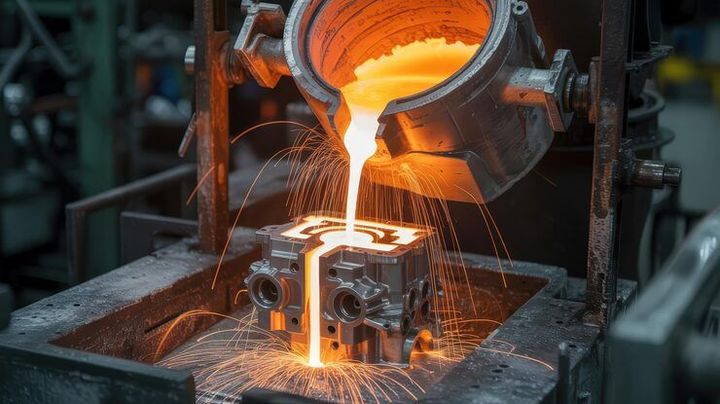
Picture liquid metal being poured into a shaped hole - once it hardens, you get a solid part. People have done this for ages, yet modern machines now handle the job quicker and with tighter precision.
Peering into the workings of these machines opens a window for businesses, lets engineers spot details, while sparking interest among those eager to learn. Curious minds start grasping how common items come together when they follow each step inside. Seeing motion turn into product reveals patterns hidden behind routine manufacturing tasks.
Understanding the Concept
Starting off, industrial casting machines handle melted metal by pouring it into shaped cavities to form solid parts. With each cycle, they streamline production so workers do less while output stays steady. Instead of relying on handwork, these units repeat actions precisely through built-in controls. Finished pieces come out uniform because temperature and timing stay tightly managed throughout.
Metal takes shape inside a casting setup where furnaces heat it until liquid. Molds wait nearby, ready to receive the glowing material when poured through channels designed for steady movement. Cooling follows right after filling begins, locking structure into place. Each piece of gear works in turn, so flaws stay behind instead of showing up in the final part.
Most times, a company building casting machines shapes them around what different fields actually ask for. Take big factories - they often look for gear handling hefty metal chunks. On the flip side, businesses focused on fine details might push for tools crafting tiny, intricate pieces.
Sensors inside today's casting equipment keep an eye on heat, force, and duration without pause. Because of this watchful setup, what comes out tends to be cleaner, with slips happening far less often.
Key Types Or Categories
From sand molds to high-pressure setups, casting gear splits into kinds based on what they pour and where they’re used. Some handle molten iron, others shape aluminum with precision nobody expected.
1. Sand Casting Machines
Among the earliest techniques still around, sand forms the mold cavity where liquid metal flows. Though basic in setup, it handles complex shapes well because grains pack tightly when pressed.
- Suitable for large and heavy parts
- Flexible mold design
- Common in construction and machinery industries
2. Die Casting Machines
Pressure forces liquid metal into a steel mold during this process.
- Produces smooth and detailed parts
- Ideal for mass production
- Common in automotive and electronics industries
3. Investment Casting Machines
Called lost-wax casting, this approach forms molds using wax models. Sometimes it begins with a soft wax shape that takes the place of the final object. The mold wraps around the wax before heat removes it slowly. What remains is an empty space shaped exactly like the original piece. Molten metal later fills that cavity once the wax vanishes completely.
- High precision and detail
- Used for complex shapes
- Flying machines often need it. So do hospitals sometimes. Used a lot where precision matters most
4. Continuous Casting Machines
Out of this process comes metal formed into endless forms - rods, sheets, that kind of thing. Shape flows without stopping, one piece trailing the next. Long runs emerge, steady and unbroken. Think uniformity stretched thin over time. Each segment links to the following, seamless in its progression. Movement defines it - not a start or end, just continuation.
- Faster when making lots of items
- Reduces material waste
- Widely used in steel manufacturing
Important Subsections
Molds and Patterns
Into molds flows the hot liquid metal. From patterns come those mold forms.
- Sand molds for flexibility
- Metal molds for durability
- Wax patterns for precision
Melting Systems
Liquid forms when extreme warmth melts metal inside these setups.
- Electric furnaces for controlled heating
- Induction furnaces for fast melting
- Gas furnaces for large-scale operations
Cooling and Solidification
Once poured, cooling happens slowly. Metal settles only when temperature drops enough.
- Controlled cooling prevents cracks
- Cooling speed affects strength
- Proper timing ensures shape accuracy
How It Works
Step by step, the method feels clearer even if it first seems tangled. One piece follows another, each part linking without confusion. A steady rhythm makes progress possible. Slow shifts build toward completion. Every movement has its place in sequence. Things unfold just as they should, nothing rushed
- Pattern Creation
- Out of wood, metal, or wax comes a model shaped just like the finished item.
- Mold Preparation
- A hollow space appears after taking out the shape. Around that form, the mold takes place.
- Melting the Metal
- Liquid begins to form once the metal absorbs enough heat inside the furnace.
- Pouring the Metal
- Pouring happens slow, a stream of liquid metal filling the mold.
- Cooling and Solidifying
- Out of the heat, the metal begins to harden inside the mold. Shape forms slowly as temperature drops. Cooling locks it into place, holding the form cast by the container. Solid now, it keeps every line the mold once gave.
- Removing the Casting
- After hardening, out comes the cast piece from its mold.
- Finishing Process
- Bits left over get cut away while someone smooths or shines the outside. A worker removes scraps before brushing up the face of it.
Robots pour metal into molds without much help from people, making things go faster while staying on target. Machines take charge here - fewer mistakes happen when routines run themselves.
Benefits and Advantages
Industrial casting machines provide several important benefits:
- High Precision
- Out of metal, intricate forms emerge when machines take charge. Precision sneaks in through steady hands that never tire. Complexity folds into each curve without a second thought. Details lock tightly where human fingers might slip.
- Consistency
- Machines keep each piece matching the next, one after another. Step by step, consistency stays locked in place.
- Material Efficiency
- Fewer scraps left behind when making things this way. Machines shape materials more precisely, so extra bits aren’t tossed aside like before.
- Scalability
- Works fine whether you're making just a few or churning out many. Perfect when scaling up, yet still efficient on a smaller level.
- Versatility
- Aluminum, steel, or iron - each one fits right into the setup. Different kinds of metal move through it without trouble.
- Reduced Manual Effort
- With machines taking over routine tasks, fewer hands are needed on the floor. Mistakes slip in less often when systems run without human slips.
Because of these benefits, casting often stands out across various fields.
Examples From Real Life
From kitchen tools to factory machines, casting shows up nearly everywhere. Though unseen, it shapes much of what people interact with daily.
- Automotive Industry
- Casting shapes engine blocks, while transmission components take form through the same process. Wheels emerge from molds too, linked by method if not design.
- Construction Sector
- Casting shapes how pipes take form, also affecting their fittings. Components meant for support emerge through similar flows of molten material. Where strength matters, poured metal sets into place.
- Electronics Industry
- Out of thin air, tiny metal cases take shape through exact pour techniques. With care, fittings form by controlled mold methods instead.
- Aerospace Industry
- Fine-grained metal parts shaped under pressure come out of high-tech molds. Tiny shifts during cooling keep them strong without extra material.
- Household Products
- Things such as pots and ornamental ironwork usually start life poured into molds.
Fishermen toss their lines, while actors rehearse lines too - both called casting. A mold shapes metal just as a vote takes form through ballots cast. Shadows stretch across walls when light hits objects placed just right. Each moment, a different kind of pouring into shape.
Key Things to Know
Heavy-duty casting equipment demands attention to detail. Temperature control matters a lot during operation. Machine setup affects output quality every time. Material consistency plays a role in performance. Operator experience influences results more than expected. Maintenance schedules prevent unexpected breakdowns. Cooling times can change final product strength. Each step ties into overall efficiency somehow
Material Selection
Some metals change shape in odd ways after melting then hardening. Others react strangely under the same heat and cold steps.
- Lightweight stuff, aluminum bends without much effort. Shaping it feels almost natural, like working with soft clay. Its weight? Barely there. Flexibility makes tasks go smoother, somehow. Almost as if the metal wants to cooperate
- Steel is strong but requires higher temperatures
- Firm stuff, iron sticks around. Common choice across many jobs because it holds up well. Tough by nature, people pick it when they need something that won’t quit fast
Mold Design
From careful shaping comes a stronger outcome.
- Getting airflow right stops pockets of air from forming
- Smooth surfaces improve finish quality
- Shape stays right when measurements are exact
Temperature Control
Frost bites just as hard as heat drains. Keeping things steady matters most.
- Heat beyond limits risks harming the mold
- Overchilling might leave gaps unfilled
Machine Maintenance
Regular checks keep machines running efficiently.
- Cleaning prevents buildup
- Lubrication ensures smooth operation
- Inspections reduce downtime
Skill and Expertise
Still, machines need people who know what they’re doing. Operators matter just as much when systems run on their own.
- Monitoring machine performance
- Adjusting settings when needed
- Ensuring quality standards
future trends and industry insights
Fresh tools are shaping how roles get filled, step by step. A shift runs through the work, quietly changing old ways. Behind scenes, different methods now guide choices. Change slips in, not with shouts, but steady moves. Each update nudges the path forward, without fanfare.
Increased Automation
Machines that pour metal into molds keep getting smarter, thanks to built-in sensors tracking every move. These tools collect info on the fly, helping them hit the right marks each time they run.
Smart Manufacturing
Faster updates come through links to online networks, making oversight happen now instead of later.
Energy Efficiency
Fine-tuned engines today sip power without slowing down. Performance holds steady even as watts shrink behind the scenes. Efficiency climbs, yet speed stays put. Less juice flows, though results stay sharp. Power drops off slightly - output refuses to follow.
Advanced Materials
Fresh metal mixes emerge, boosting toughness while lasting longer. Strength grows through smarter substances, built differently each time.
Sustainable Practices
Some people work on cutting down trash while finding better ways to reuse stuff. A different group tries simpler methods so less ends up dumped. Others change how things are collected so more gets turned into something new again.
Faster methods are shaping how materials take form, while care for nature grows stronger alongside progress.
Conclusion
Out of molten heat comes shape - that is how industrial casting machines work. These tools sit at the heart of today’s production lines. Instead of handcrafting each piece, factories rely on them to form solid objects from liquid metal. Think car parts, pipes, machinery bones. Long ago, people poured hot metal into sand molds under open skies. Now, robotic arms move with precision inside climate-controlled rooms. Progress didn’t happen overnight. Each leap brought tighter control, better materials, cleaner results. Machines once clunky now hum with quiet accuracy. What started as basic pouring grew into complex systems running day and night.
What lies behind casting machines matters more than most think. Their way of shaping metal reveals both speed and precision at once. Because they work so consistently, factories make stronger parts without extra steps. With these tools around, complicated shapes come out right the first time. What counts isn’t just output - it’s reliability built in.
Tomorrow’s factories lean on casting machines more each day. These tools evolve fast, nudged by smarter tech. Machines shape metal now with less waste, often without human hands near. Progress isn’t loud - just steady swaps inside factory walls. New designs emerge because the gear allows it. Efficiency climbs when routines shift from old methods. Precision improves, slowly changing what products can be made. Factories adapt not out of choice but need. Each upgrade opens quiet doors to different production paths. Casting machines aren’t replacements - they’re silent partners pushing output forward.