Surface Finishing Machines Explained: Methods, Equipment, and Benefits
Surface finishing machines play a key role in modern manufacturing. They improve how a product looks, feels, and performs. Whether it’s a smooth metal part, a polished tool, or a coated component, finishing processes help achieve the final quality.
Out back, behind closed doors, you’ll find tools smoothing out metal humps or wiping grime off slabs. Whether tucked inside cramped garages or spread across wide plant floors, they shape what comes in jagged and grimy. One after another, pieces get stripped, scraped, then set ready - each step nudging scrap toward function.
Peering into the workings of these devices reveals their quiet role in things people use daily - car components, household items. What makes them tick becomes clear when you watch them in action, slowly showing purpose. Not flashy, yet everywhere, they shape function without calling attention. Their presence? Felt more than noticed, tucked inside familiar objects. Seeing how each piece moves helps explain where they fit in life’s background.
Understanding the Concept
Smoothness comes from treating a material's outer layer. Finishing might mean brushing, shining, washing, or adding a cover. One way works by removing rough spots another adds protection through layers.
Right off the bat, fresh parts usually come out bumpy or jagged. To smooth things out, special equipment steps in - slowly shaping the outside until it fits clear expectations. Those rules might cover:
- Appearance (smooth or shiny surface)
- Function (better performance or reduced friction)
- Long-lasting because it withstands damage from friction or rust
A rough-surfaced metal gear might fail fast. Once smoothed, it runs better - lasting much further down the road.
Faster outcomes start with today's robotic surface tools. These units deliver steady performance while cutting down hands-on work. Results improve because machines handle details people might miss. Less labor enters the workflow when automation takes over repetitive steps.
Key Types and Categories
Some surface finishing machines work better on certain jobs because they match particular materials. Not every tool handles the same job the same way. Each one fits a unique role depending on what it polishes or smooths.
Mechanical Finishing Machines
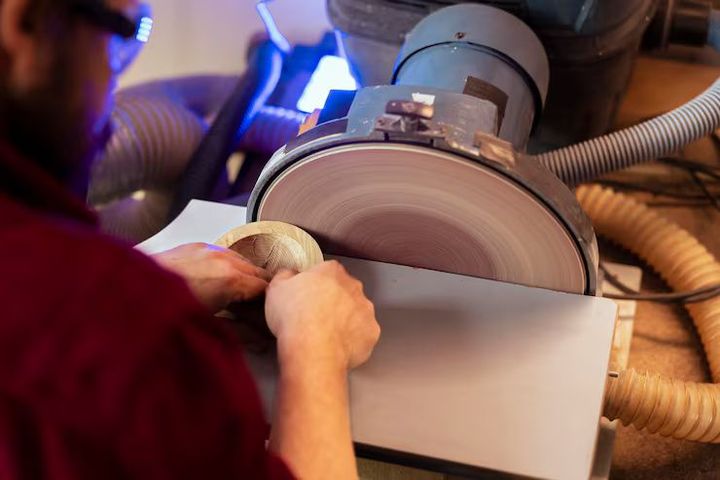
Pushing hard against materials, these devices polish or form edges. Smoothness comes when pressure reshapes what's under them. Their motion grinds away rough spots over time. Shaping happens as contact alters surface textures bit by bit.
Examples include:
- Grinding machines
- Polishing machines
- Buffing equipment
Finishes that hit the mark - common across shops shaping metal. Precise results? That’s where these come into play.
Vibratory Finishing Machines
Smooth results come fast when batches of pieces ride the shake of a vibratory machine. Instead of one by one, many get polished together through motion combined with gritty material that wears down rough spots.
Key features:
- Suitable for small to medium components
- Consistent finishing across multiple items
- Reduced manual handling
Factories making cars or crafting small metal details sometimes rely on these tools instead. Machines of this kind show up where precision matters most - think engine parts, think delicate designs etched into rings. Workshops shaping tiny components lean on them more than you might expect.
Chemical Finishing Systems
Chemicals wash the surface in these setups. A liquid layer forms where needed through such methods.
Common processes:
- Electroplating
- Anodizing
- Chemical polishing
For exact finishing jobs, these work well where scrubbing the surface isn’t allowed.
CNC Surface Finishing Machines
These tools shape materials with extreme accuracy thanks to digital guidance. What drives them is code that tells each part when and how to move.
Advantages include:
- High accuracy
- Repeatable results
- Reduced human error
Fine control matters most in fields like aircraft building or devices for hospitals - that is where these machines often work.
Automated Finishing Systems
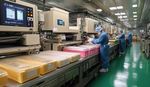
These machines take care of surface smoothing tasks without much human effort when making lots at once.
They often include:
- Robotic arms
- Conveyor systems
- Integrated control panels
By streamlining workflows, these systems maintain uniform results even when handling big volumes. Consistency stays high because each step runs smoother than before.
Important Subsections
Abrasive Materials Used
Surface finishing often involves abrasive materials such as:
- Sandpaper
- Ceramic media
- Steel shots
Peeling away rough spots becomes easier with these substances. Smoother finishes start to show when they get to work. Layers that aren’t needed slowly break apart. A refined texture follows after their action. The surface changes without heavy effort involved.
Surface Coating Techniques
A coating might go on top during certain final steps. For example, paint or varnish sometimes appears. Layers like these protect what's underneath. One kind could be plastic, another maybe metal. Each option serves a purpose based on need. Surface changes happen this way in many industries
- Paint coating
- Powder coating
- Protective films
- Pieces get wiped down first, removing any gunk stuck on them. Grime, grease, leftover bits - everything has to go before moving forward.
- How it's done depends on what stuff you're working with, also how smooth or shiny things need to look afterward.
- ProcessingThe part is placed in the machine.
- A machine might shake it, while chemicals work at the surface. Vibration could do the job just as well. Sometimes force from moving parts makes changes happen instead.
- A close look at the completed surface reveals any flaws or uneven spots. Quality shows up only when every part meets the standard.
- A finish might get added through methods such as a light coat or slow drying.
These coatings improve durability and appearance.
How It Works
How these tools smooth surfaces might differ, yet their core actions stay much alike.
Step-by-Step Process
Take vibratory finishing machines. Inside a chamber, components sit surrounded by gritty material. Shaking begins. That motion creates rubbing. Surfaces become uniform. Evenness comes from constant contact during movement.
Benefits and Advantages
Surface finishing machines provide several important benefits.
Improved Product Quality
- Smoother surfaces enhance performance
- Better appearance increases product value
- Reduced defects and inconsistencies
Increased Durability
- Smooth finishes hold up against damage from rust. They also stand strong when worn down over time
- Coatings protect against environmental damage
Enhanced Efficiency
- Automated surface finishing machines reduce manual work
- Faster processing times improve productivity
Consistency in Production
- Machines deliver uniform results across batches
- CNC surface finishing machines ensure precise control
Safety Improvements
- Removing sharp edges reduces handling risks
- Smooth finishes lower risks during use
real world examples and applications
Surface finishing machines are used in many industries.
Automotive Industry
Smooth surfaces matter a lot for car gears, engine pieces, wheels - without them things just won’t run right. Shaking-style polishers take care of that job fast. These machines rattle parts clean instead of grinding one at a time.
Aerospace Industry
Exactness matters most when shaping airplane parts. To meet tight requirements, manufacturers rely on computer-guided milling tools instead of manual methods.
Electronics Industry
Fine details matter when tiny electronics get their final touch. Smoothness comes through steady machine handling every time.
Medical Equipment
Smooth, clean surfaces on surgical tools matter because rules are tough. Because safety comes first, finishing steps shape both cleanliness and accuracy. A tiny flaw could cause problems later - so each piece gets treated carefully. Precision isn’t optional here; it arrives through repeated refining. Even small details must behave exactly right under pressure.
Consumer Products
Besides looking good, kitchen gadgets, timepieces, and metal parts work better when their surfaces are treated right. Finishing touches do more than shine - they shape how things feel in your hand. Often overlooked, a smooth edge or polished face changes how we interact daily. What seems minor up close matters most over time. Surface care isn’t just about looks - it affects function quietly but deeply.
Key Things to Know
When working with surface finishing machines, several factors should be considered.
Material Type
Different materials require different finishing methods:
- Metals may need grinding or polishing
- Plastics may require gentler processes
Desired Finish
How things turn out might differ
- Matte finish
- Glossy finish
- Textured surface
Picking how you do something shapes what happens afterward. The way matters just as much as the goal.
Machine Selection
A single machine won’t fit every job. Depending on output size, different tools work better. Production needs shape which finisher makes sense.
Process Control
Proper settings and parameters are important:
- Speed
- Pressure
- Duration
Mistakes in setup might bring weak outcomes, sometimes harming the material itself.
Environmental Considerations
Fumes might escape during certain finish steps. Because of that, care at every stage helps limit harm to nature.
future trends and industry insights
Fresh tools shape how surfaces are treated, thanks to smarter machines doing finer work. Machines now move with greater care, guided by new digital brains improving every step. Step by step, small changes add up - accuracy grows without loud announcements or flashy claims. Quiet progress wins again.
Increased Automation
Factories across different fields now turn to robotic tools that smooth surfaces, simply because they speed things up while cutting down on human work. Machines take over repetitive tasks once done by hand, leaving people free for other duties. Smoother operations emerge when automation handles grinding or polishing jobs. Workflows change shape as these systems fit into production lines. Time once spent overseeing labor shifts toward monitoring technology instead.
Smart Manufacturing
Integration with digital systems allows machines to:
- Monitor performance
- Adjust settings automatically
- Improve accuracy over time
Eco-Friendly Processes
There is a growing focus on environmentally responsible methods:
- Reduced chemical usage
- Water-based finishing solutions
- Energy-efficient machines
Advanced Materials
Out of fresh materials come new demands on how they’re finished. Because of that, machines must evolve just as fast as the ways we shape them.
Precision Engineering
Precision matters most in fields such as aircraft building and device manufacturing. To keep up, computer-controlled smoothing tools slowly grow smarter by the year.
Conclusion
Smooth-running tools shape surfaces to meet today’s production needs. These devices boost product life, look, and performance in countless fields.
Starting off, there’s vibratory finishers - great for tackling batches of components at once. On another note, CNC-powered surface tools step in when pinpoint accuracy matters most. Each one fits a different job, doing what it does without extra fuss.
Out there, machines that smooth and polish factory-made parts keep getting upgrades - now they think on their own, move quicker. Because factories push harder every year to meet tighter rules, cleaning up surfaces won’t ever drop out of the workflow.
These machines matter more when you see how they shape items people use every day. Their role shows up in strength, smooth finishes, even the way things fit together. Seeing what they do makes their value clear without needing extra explanation.