Industrial Grinding Machines: Complete Guide to Types and Applications
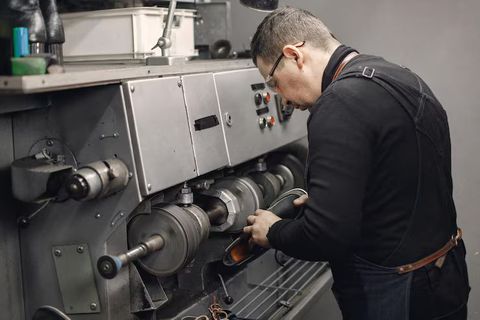
Industrial grinding machines play a key role in modern manufacturing. They help shape, smooth, and finish materials with high accuracy. From metal parts in automobiles to components used in electronics, these machines ensure that every piece meets exact specifications.
Most folks call it grinding when a spinning rough disk scrapes stuff off surfaces. Smooth results pop up after that motion does its job. Precision matters more now than before across factories worldwide. Changes in how machines grind happen fast because of these needs.
Anyone working in making things, designing systems, or organizing factory tasks might find it useful to know what these machines do and where they fit in. Machines like these show up in many places - factories, labs, even repair shops - and getting how they operate changes how you see the process. Seeing one in action often makes clear why certain choices were made during setup. Their role isn’t always obvious at first glance, yet spotting their function can shift your whole approach. Knowing details about operation tends to simplify bigger challenges across different jobs.
Understanding the Concept
With grinding machines, an abrasive wheel does the cutting. Tiny grains cover the wheel instead of one solid edge. Because each grain chips away just a bit, surfaces turn smooth. Finishing reaches a delicate level hard to get otherwise.
Tiny margins matter when shaping metal by hand. Machines built for precision work aim beyond human limits. Parts come out matching blueprints down to a few millionths of a meter. In fields where error causes failure - air travel, surgery, car engines - this level of control becomes essential. Mistakes shrink when tools respond exactly as directed.
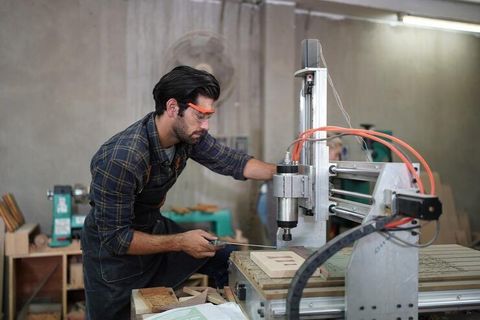
A step beyond traditional methods, a CNC grinding machine runs on computer guidance. This acronym means Computer Numerical Control - no guessing needed. With it, workers set up sequences that handle detailed grinding jobs without constant oversight. Precision stays steady throughout every cycle. The outcome? Uniformity you can count on.
Put simply, grinding tools come into play where precision matters along with a clean surface result.
Types of Keys
Surface Grinding Machines
Flat surfaces come from surface grinding machines. With automation handling motion, consistency shows up part after part when a CNC version takes over.
Cylindrical Grinding Machines
Grinding rods and shafts is what these machines do. On the outside, they work just as well as within. While one surface gets smoothed, another takes shape nearby.
Centerless Grinding Machines
Without needing centers to hold the part, grinding continues freely. Because of this setup, batches move fast when time counts.
Tool and cutter grinding machines
Sharpening tools takes less time when these machines step in. Performance stays strong because blades get consistent care.
Heavy Duty Grinding Machine
Heavy grinding tools handle big, stubborn stuff without slowing down. When massive metal parts need shaping, factories often rely on these models instead of lighter options.
Important Subsections
Abrasive Wheels
Spinning at the center of every grinder sits its working core - that rough-edged disc. Crafted from tough grains such as aluminum oxide or silicon carbide, it bites into metal with grit. Material choice shifts based on what’s being shaped beneath it.
Workpiece Material
Grinding something hard means picking a different setup than you would for softer stuff. Take cast iron versus aluminum - each needs its own match when it comes to tool and disk
- Steel requires a different abrasive than aluminum
- Hard materials need stronger grinding wheels
Machine Control Systems
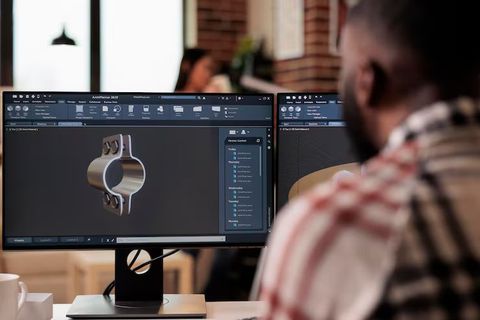
Computers now run most new machinery. With digital guidance, each cut follows exact settings for pace, direction, strength - making results consistent, right down to the smallest detail.
How It Works
One step at a time, the grinding method opens up clearly. Though it looks tricky, breaking it down helps. Each stage connects to the next, slowly making sense. A closer look removes confusion. With steady pacing, what seemed tangled becomes straightforward
- Setup the Workpiece
- A steady hand sets the piece onto the equipment. Getting it lined up just right makes sure things come out correct.
- Select the Grinding Wheel
- A different kind of wheel gets picked depending on what it's touching and how smooth the surface should be.
- Adjust Machine Settings
- Once speed, depth, plus feed rate get chosen, the CNC grinder follows those values. Programming tells the machine exactly how fast to move, how deep to cut, also how much material to remove per pass.
- Start the Grinding Process
- Spinning fast, the rough disc scrapes stuff off whatever it touches. Material gives way as the gritty edge turns sharply.
- Monitor the Operation
- Midway through, operators take a close look at how precise things are, while also judging the finish.
- Finish and Inspect
- After completion, the item undergoes inspection against set standards.
Fine results come each time because the method stays steady throughout. The process builds trust by doing things the same way, piece after piece.
Benefits and Advantages
Industrial grinding machines provide several important advantages:
- High Precision
- Because precision matters, these parts meet exacting standards needed for essential functions.
- Smooth Surface Finish
- Grinding produces a fine finish that improves product performance.
- Versatility
- Some of these units work well with odd forms instead of just flat sheets. Others manage thick layers along with thin ones.
- Automation Capabilities
- Automation in CNC surface grinders cuts down hands-on work. These machines run tasks by themselves, lessening human involvement.
- Durability
- Some heavy duty grinders keep going strong through tough jobs that last hours. Tough builds let these machines push hard without slowing down. Built for strain, they manage constant work without wearing out fast.
- Consistency
- Every time you run the process again, outcomes match exactly - key when making many copies. Identical outputs come from doing the same steps over - this matters most at scale. When tasks repeat, results stay unchanged - a core need in large-scale manufacturing. Same actions lead to matching results each cycle - an essential trait in bulk output.
What sets grinding machines apart is how they fit into today’s production spaces. Their role becomes clear when precision matters most during shaping or finishing tasks.
Examples From Real Life
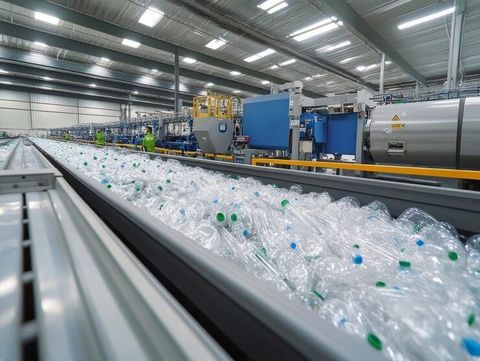
Machines that grind show up almost everywhere work gets done. Take these real cases - factories shape metal parts with them, bakeries crush grains into flour using similar tools, construction crews smooth concrete surfaces on site, labs prepare samples by reducing chunks to fine powder, even recycling centers break down waste materials efficiently
Automotive Industry
Bent rods inside motors must be shaped just right. That way they spin without hiccups, lasting a good while. Machines that cut these pieces need steady hands behind them. A tiny mistake here means trouble down the road.
Aerospace Industry
Every piece of an airplane needs to fit exactly as designed. To get that kind of exactness, special grinding tools do the work.
Electronics Industry
Precision matters when tiny parts go into gadgets. Because surfaces must be flawless, grinding shapes them just right. Performance stays strong that way.
Manufacturing Plants
Out of the blue, factories rely on heavy-duty grinders to form components found in machines. These tools smooth edges while adjusting shapes during assembly processes. Sometimes precision comes through repeated abrasion techniques applied by automated systems. From start to finish, material refinement happens steadily using rugged equipment built for constant use.
Construction Equipment
Out in the yard, big steel chunks for diggers and loaders get smoothed on tough grinders built for pounding work. These machines chew through rough edges so everything holds up when pushed hard.
Important Factors to Understand
Before working with grinding machines, it is important to consider several factors:
Material Type
Grinding changes depending on what stuff you’re working with. When things are tough, the gritty part has to hit harder.
Machine Selection
What you pick hinges on how big it needs to be, its form, also just how exact the details must get.
Operator Skill
Though machines do much of the work, people still handle starting things up - also keeping an eye on how it runs. Operators matter because they step in when adjustments are needed.
Maintenance
Fixing things on time keeps machines running well instead of failing later.
Safety Measures
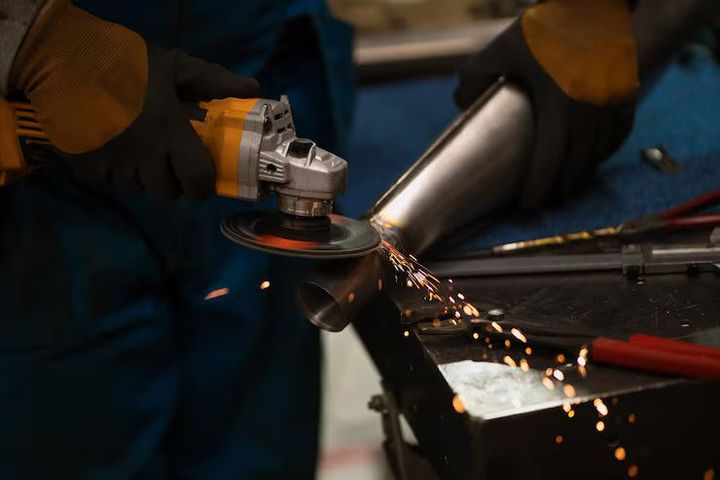
Spinning fast is what makes grinding work. Yet without shields on machines, injuries happen easily. Eye protection becomes critical when metal bits fly during operation.
Environmental Conditions
When heat rises, machines might slow down. Dust gathering inside can cause problems too. A room kept clean and cool works better for keeping things precise. Machines behave more predictably when their space stays steady.
Looking at these pieces makes work smoother while lifting what you create. Efficiency grows when details click into place alongside better results.
future trends and industry insights
Change never slows down in the world of grinding machines. New tools appear quietly, shaping how work gets done. Progress slips in through small upgrades, not big announcements. Each improvement links to another, building momentum without fanfare.
Increased Automation
Now machines that grind using computer control keep getting smarter. Fewer people need to step in because they handle tasks on their own, while accuracy climbs. Precision goes up since adjustments happen mid-process without waiting. Smarter software watches each movement, making sure outcomes stay tight. These updates mean less handwork, yet results feel sharper every time around.
Smart Manufacturing
Faster decisions come from live updates streaming between devices and networks. When machines talk to software, patterns show up right away instead of later.
Improved Materials
New abrasive materials are being developed to increase efficiency and lifespan.
Energy Efficiency
These days, gadgets sip power without losing speed. Running smooth does not mean burning more juice. Efficiency sneaks into design through smarter parts. Performance sticks around even when watts go down. Clever engineering cuts waste behind the scenes. Power drops, yet work stays sharp. Less drain happens quietly under normal use.
Connecting With Modern Manufacturing Tools
Machines that grind materials are now part of automatic assembly systems, so work moves faster with fewer holdups.
Focus on Precision
When industries need sharper results, precision grinding machines keep stepping up. Though expectations rise, these tools adapt without missing a beat. Since margins matter more now, their role only grows behind the scenes.
From tiny tweaks to big shifts, grinding tech keeps reshaping itself around what factories now demand.
Conclusion
Out in factories, grinding machines do crucial work shaping materials. Precision comes through these devices, delivering smooth surfaces that quality items demand.
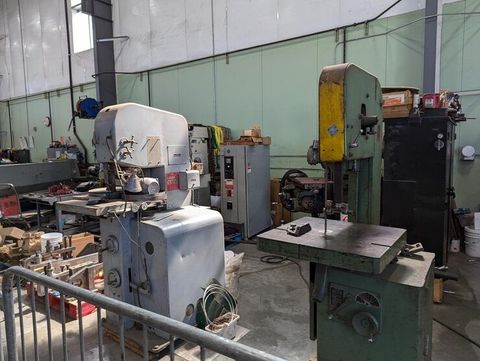
Grinding machines come in many forms - some light, others built tough for hard jobs. One moment you’ll spot a precise CNC model shaping metal flat, next thing there’s a hulking unit chewing through thick steel blocks. These tools aren’t interchangeable; each fits its own role like a key in a lock. Watch them in motion and it becomes clear: their movements shape outcomes behind the scenes. Factories rely on that precision without always talking about it. Knowing which machine handles what task quietly boosts both output speed and consistency across batches.
One step ahead, grinding machines adapt as tech moves forward, gaining sharper results over time. Still central to how things are built today, their presence only deepens across factories and workshops.