Industrial Filling Machines Explained: Types, Processes, and Applications
Industrial production depends on speed, accuracy, and consistency. One important part of this process is filling products into containers like bottles, jars, or pouches. This is where industrial filling machines play a key role.
Every bottle gets just the right amount when machines step in - whether it holds shampoo, juice, or industrial fluid. Because consistency matters, companies turn to automated fillers even during high-speed production runs.
Peering into their inner workings might just show what makes them so vital on today’s factory floors.
Understanding the Concept
From tanks to tubes, liquid, powder, or thick stuff gets packed by mechanical fillers built for factories. Found inside bigger setups on assembly paths, these units handle repetitive portioning without pause.
Most of the time, machines grab how much something weighs before tucking it neatly into packaging without extra space. Getting it right means moving fast but keeping everything clean along the way.
A single drop too high or low gets fixed automatically, thanks to precise sensors inside modern bottling units. Machines adjust each pour on the fly so every container looks identical by the time it reaches packing.
Running on their own - or just needing a little guidance - these machines adapt to how they’re set up.
Key Types and Categories
Pumps move liquids using pressure, while gravity feeders rely on height differences to pour contents slowly. Pistons push thick pastes into containers with steady force, whereas overflow models keep levels uniform by recirculating excess fluid back into supply tanks.
Liquid Filling Machines
Found everywhere, these machines handle drinks, oils, along with liquid cleaners. Machines like these show up often where fluids need packing. Most people see them in factories that fill bottles regularly. They work fast, moving containers steadily through each step. Liquids flow smoothly thanks to their steady rhythm. Not flashy, just built to keep going without stopping.
- Built to handle runny stuff just fine. Thick goop? That works too. Slows down without clogging up. Flows smooth either way. Handles both ends of the wet spectrum
- Often used in food and chemical industries
- Pouring liquids into containers at high speed? Machines handle that now. These units fill bottles without stopping. Production lines keep moving because of them. Fast, steady work comes from automated systems like these
Powder Filling Machines
Powdered goods such as flour find their way into these containers. Spices also fit well inside them. Detergent powders are often stored this way too.
- Ensures accurate weight-based filling
- Prevents dust and spillage
- Ideal for packaging dry materials
Paste Filling Machines
Built to handle dense materials - think thick creams, sticky gels, even rich sauces. Moves smoothly without clogging. Works well under pressure. Holds up when texture piles on. Not meant for thin liquids. Keeps shape despite resistance. Performs steadily through heavy loads.
- Handles viscous (thick) materials
- Texture stays just as it should, every single time
- Besides turning up in makeup, it's often found in how snacks are made
Capsule and Granule Filling Machines
Farms grow it, factories later turn it into medicine. One part ends up in pills, another slips into snacks.
- Fills small particles or capsules
- Requires precise measurement
- Maintains hygiene standards
Important Subsections
Manual versus Automatic Systems
- People run manual machines. These work well when making just a few items at a time
- Machines that fill at high speeds rely on automatic systems running without pause. These setups never stop, keeping pace through constant motion. Without breaks, they manage tasks quickly, driven by steady operation. Relentless activity defines their role in fast production lines
Volumetric versus Weight Based Filling
- Volumetric filling measures by volume
- Weight-based filling ensures exact weight accuracy
Inline Versus Rotary Machines
- Inline machines fill containers in a straight line
- Spinning gears inside these devices speed things up through rotation instead of straight-line motion
How It Works
Filling begins once materials enter the machine through an inlet. After that, sensors detect levels inside the chamber to manage flow. Then valves open at timed intervals to release product into containers below. Meanwhile, conveyor belts move bottles steadily beneath spouts. Once filled, items shift forward for capping or sealing automatically. Each phase runs without pause during operation cycles. Precision comes from calibration checks done regularly by staff.
- Container Placement
- Belt carries empty ones forward into the filling stage. Containers start flat, then ride along without pause. Through the system they go, nudged by motion underneath. A steady push keeps each in place while advancing. Nothing stays still once it joins the stream. Forward movement begins the moment wheels turn below.
- Positioning
- A single container slides into place beneath the nozzle. Positioning happens before any liquid flows. Each step follows a silent timer. The system waits until alignment is exact. Only then does filling begin.
- Filling Process
- A small portion drops into the container. As it fills, the machine adjusts how fast it moves.
- Level Control
- Every now and then, a sensor steps in - keeping amounts equal across containers. Timers jump into the mix too, making sure things stay balanced without anyone watching.
- Sealing and Moving Forward
- Filled boxes proceed onward - maybe sealed, perhaps labeled, depending on what comes after.
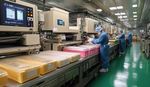
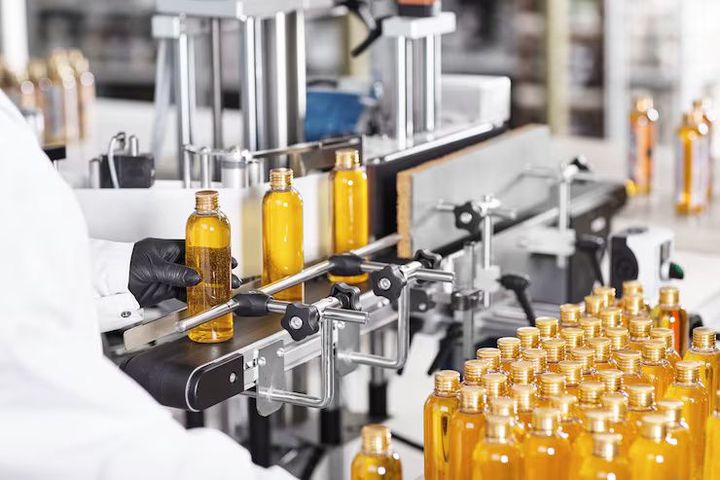
Picture a drink plant where bottles race down a line. Filling units shoot liquid inside them fast, one after another. Each minute, heaps of containers get filled nonstop. Speed matters because the flow never slows.
Benefits and Advantages
Industrial filling machines bring several practical advantages.
- Consistency
- Poured just right, each one holds the same amount - better results come through even fills.
- Efficiency
- Speed lets big batches move fast. A single run handles heaps without delay. Throughput jumps when volume spikes. Much gets done before the clock ticks twice.
- Reduced Waste
- Pouring just right means less spills.
- Improved Hygiene
- Staying away from people cuts down on contamination chances.
- Scalability
- Faster output often comes from small tweaks instead of big overhauls.
- Time Savings
- Machines working on their own cut down how long it takes to make things.
Because machines fill so fast, factories keep up without cutting corners. One wrong move slows everything - automation keeps rhythm steady. Speed ties directly to supply; miss a beat, shelves go bare. Pressure builds when orders pile - smart gear handles the load quietly. Without upgrades, old tools lag behind what markets now expect daily.
real world examples and applications
Industrial filling machines are used across many industries.
Food and Drink Sector
- Filling water, juice, sauces, and oils
- Ensuring consistent taste and quantity
- Maintaining hygiene standards
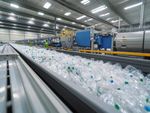
A single bottle gets filled every few seconds inside a large facility. Machines handle the pouring, working without stopping. Thousands of containers move through tubes and belts each hour. Water flows precisely into plastic shapes lined up in rows. Automation keeps everything running on schedule. Each step follows the last without delay.
Pharmaceutical Industry
- Filling syrups, capsules, and powders
- Maintaining precise measurements
- Ensuring safety and accuracy
Cosmetics Industry
- Bottles get filled with lotions first. Creams follow after, moving steadily into containers. Perfume pours come next, each drop placed just right
- Handling delicate and thick materials
- Maintaining product appearance
Chemical Industry
- Filling cleaning liquids and industrial chemicals
- Managing hazardous materials safely
- Ensuring accurate dosing
Filling machines help various industries run smoothly every day. From food plants to chemical labs, they handle tasks without slowing things down. One factory might rely on them for liquids, another for powders - each setup fits its needs. Even when materials change, these systems adapt quietly. Their role stays behind the scenes, yet keeps production moving.
Key Things to Know
Thinking through choices first makes picking a filler easier. Different details matter when getting ready to use one. Each step needs attention before starting up the machine.
Type of Product
- Pouring smooth, thick stuff into a mix. Dusty heaps that vanish when touched. Gloop you can smear across surfaces
- Thickness and flow properties
Production Volume
- Small batches vs large-scale production
- Need for high speed filling machines
Container Type
- Containers come in shapes like bottles. Jars show up on shelves a lot. Pouches bend easily in your hand. Cans stand tall with metal sides
- Shape and size variations
Accuracy Requirements
- Some industries require exact measurements
- Some permit small differences
Maintenance Needs
- Regular cleaning and inspection
- Ensures long-term performance
Space and Layout
- Available floor space
- Integration with existing systems
Grasping each piece makes movement through tasks steadier. When details click, flow follows without hiccups. Seeing how parts link keeps effort from spilling where it shouldn’t. With clarity comes fewer bumps along the way.
future trends and industry insights
Faster decisions come from machines that learn while they work. Efficiency climbs when technology adapts without being told.
Increased Automation
Freed from constant human oversight, machines now handle tasks once done by hand. Their growing independence means fewer people need to step in.
Smart Monitoring
Pieces that watch and record things show how well stuff runs, also spotting trouble before it grows. When information flows steady, hiccups appear sooner rather than later.
Energy Efficiency
Fuel-sipping engines now push just as hard without burning extra. Machines today sip power like fine tea, yet work twice as fast. Output stays high even when wattage dips low. Efficiency climbs while effort holds steady. Less juice, same punch - common now in new builds.
Flexible Systems
One product after another moves through, fitting different containers fast. Switching happens smoothly when settings change slightly.
Connecting With Digital Tools
Machines on factory floors now talk to each other, making oversight smoother while schedules adjust in real time. Equipment shares data without delay, so decisions happen faster yet remain flexible. Signals move between units automatically, helping managers spot issues before they grow. Systems update themselves as conditions shift, reducing the need for constant human checks.
Out here, change drives how new filling machines evolve - flexibility slips in, performance climbs. Each shift nudges design forward, not with force but steady tweaks that stick.
Conclusion
Pouring liquids into containers might seem simple - factories rely on smart gear to get it right every time. Speed matters just as much as precision when moving goods through food plants, chemical lines, or pharmacies.
One reason these systems matter? They keep production steady without sacrificing consistency. Whether it’s a machine that fills containers automatically or one built for rapid output, each plays a role in modern manufacturing. Knowing how they operate, what kinds exist, and where they’re used shows their real value on the floor. Efficiency isn’t just a result - it’s built into their function.
Faster progress in tech means machines that fill containers will get smarter over time. Because of this shift, factories can count on better accuracy when handling bigger workloads. Equipment built today won’t lag behind tomorrow’s needs. With steady upgrades, consistency stays high even under pressure. These changes make sure output matches what markets are asking for - no guesswork involved.