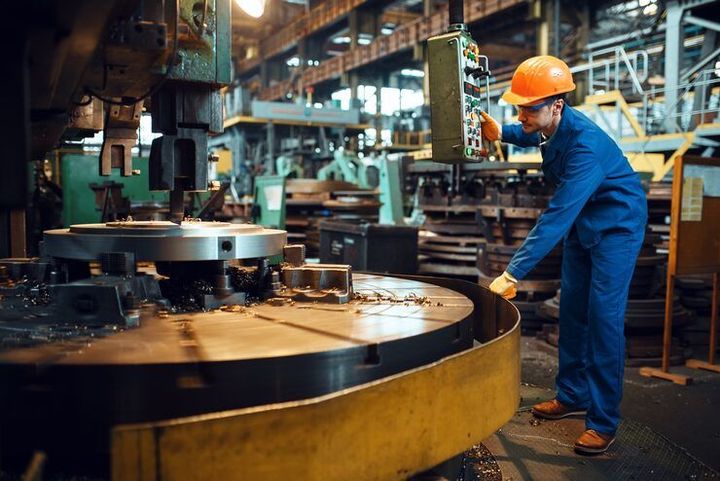
Types of Industrial Machines: Complete Guide to Uses and Applications
Industrial machines are the backbone of modern manufacturing and production. From building roads to assembling electronics, these machines make work faster, safer, and more precise. Without them, many everyday products would be difficult to produce at scale.
This guide covers industrial machine kinds, their operation, along with applications across fields. Heavy equipment varieties appear too, alongside machinery types vital to sectors such as farming, building projects, and factory production.
Understanding the Concept
Out in factories and job sites, heavy-duty gear takes on precise jobs during building or manufacturing. From slicing metal to shifting loads, each machine handles steps like forming parts, hoisting weight, sliding components, or putting pieces together.
Power for these machines typically comes from electricity, fuel-driven motors, or liquids under pressure. Starting with fluid force, a hydraulic setup pushes liquid through tight spaces to generate motion. That push makes it possible for equipment to raise very heavy objects without strain.
Put plainly, machines in factories cut down how much people need to do by hand while getting things done faster. Rather than counting just on workers, businesses turn to equipment that deals with jobs repeated often or those too tough for humans.
Types of Keys
Not every machine works the same way - each one fits a different job in factories. Some handle heavy lifting, others shape materials, while a few control timing or movement. You’ll often see these grouped into main kinds based on what they do. These groups cover the usual setups found across industries.
1. Manufacturing Machines
Factories rely on these machines for making products. Production lines run because of their constant work. Without them, output would slow down quickly. Each device plays a role in building something new every day.
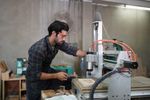
- CNC machines (Computer Numerical Control machines)
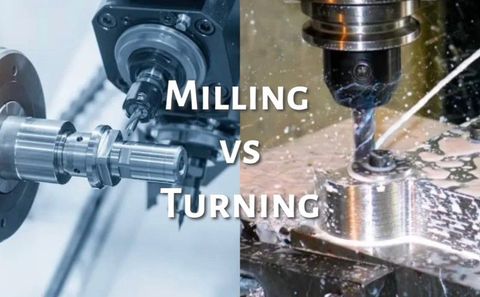
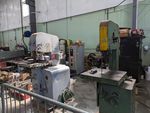
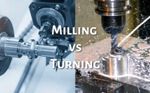
- Milling machines
- Lathes
- Injection molding machines
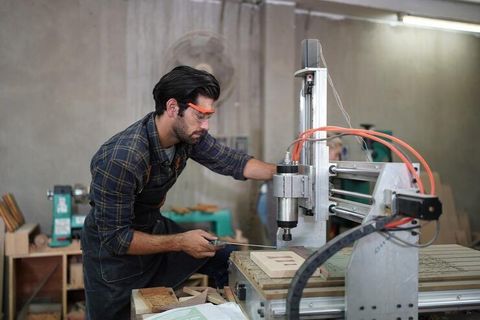
Most times, you will see CNC machines doing precise work. Because they follow coded directions, shaping metal or wood turns out exact every go.
2. Construction Equipment
Heavy machines like these show up on construction sites, doing the tough jobs needed when putting structures together.
- Excavators
- Bulldozers
- Loaders
- Cranes
A machine like an excavator moves earth, yet a crane shifts weight upward. Though one works on the ground, the other reaches skyward.
3. Material Handling Machines
From point A to B, these devices carry stuff around. Moving things along, they shift loads across spaces. Stuff gets transported by them between locations. They handle the job of shifting material elsewhere. Shifting goods happens when they take things from spot to spot.
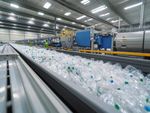
- Conveyor belts
- Forklifts
- Pallet jacks
Faster movement of items over large spaces happens thanks to conveyor belts inside storage buildings.
4. Agricultural Machines
Farming relies on these machines, also seen in how food gets made.
- Tractors
- Harvesters
- Seed drills
A machine like a harvester pulls in crops quickly, which means less work and shorter waits.
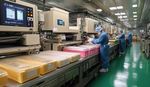
5. Packaging Machines
Out here, boxes get stacked by mechanical arms before heading off-site. Machines sort each item after scanning barcodes quickly. One system shifts goods onto pallets while another seals them tight.
- Filling machines
- Sealing machines
- Labeling machines
Packing stays neat because they handle every item the same way.
Important Subsections
Heavy Machines Used in Factories
Heavy equipment comes in different forms, each suited to big jobs. Built strong, they manage huge weights along with rough environments.
Examples include:
- Earth movers for digging and leveling land
- Dump trucks for transporting materials
- Road rollers for flattening surfaces
Folks usually spot these machines where buildings go up or rock gets pulled from the ground.
Automation-Based Machines
Modern industries are increasingly using automated machines.
- Robotic arms
- Automated assembly lines
- Smart inspection machines
With less need for people, these systems keep output steady. Machines take over repetitive tasks, which means fewer mistakes happen during manufacturing.
Energy-Powered Systems
Industrial machines can be powered in different ways:
- Electric-powered machines for indoor use
- Diesel-powered machines for outdoor and heavy-duty tasks
- Hydraulic systems for lifting and pressing
One kind of power fits certain jobs better than others. Where things happen shapes what runs them. Not every setup works everywhere equally well. The job at hand decides the method used. Conditions around guide the choice made.
How It Works
Step by step, industrial machines carry out jobs using clear routines. A breakdown of how they work comes next
- Input Stage
- Someone gives either physical stuff or directions - say, pieces of metal or computerized steps. A machine receives them without needing to think.
- Processing Stage
- Whatever it does, the machine gets the job done - maybe slicing, forming, hoisting, putting pieces together. Its task might involve trimming materials, bending metal, raising heavy loads, joining parts step by step.
- Control System
- Computers take charge of motion inside CNC systems. The device follows directions through sensors plus controllers.
- Output Stage
- A single outcome takes shape when work finishes - maybe it's a component ready to go, perhaps it’s cargo shifted into place. What shows up at the end depends on the task that came before.
- Feedback and Adjustment
- Feedback shapes how some machines operate. As they learn, precision grows - so does speed.
Speed stays high because this method keeps quality steady across factories. Though simple, it shapes how quickly products move through production lines.
Benefits and Advantages
Industrial machines provide many practical benefits:
- Increased Efficiency
- Faster task completion happens when machines take over instead of people working by hand.
- Better Accuracy
- Faults drop when smart tools handle making things.
- Improved Safety
- Machines step in where human hands might fail. Risk shifts from flesh to steel. People stay clear when trouble looms. Metal moves while workers wait. Hazards meet hardware first.
- Consistency in Output
- Each item comes out just like the one before it. Built steady, without surprises. Same look, feel, every time. Nothing off pace makes it through.
- Reduced Physical Effort
- Machines step in where human strength runs out. Tasks that repeat every few minutes now move without pause. Lifting what once strained backs happens smoothly, steadily, handled not by hands but gears.
Modern industries rely on industrial machines because they boost efficiency while cutting downtime across factories during peak production cycles.
real world examples and applications
Industrial machines are used in many everyday scenarios.
Manufacturing Industry
Out there on the shop floor, CNC units work alongside mechanical arms building pieces for vehicles, gadgets, phones, fridges. Picture a line putting cars together - machines step in, fitting components fast, hitting every mark without missing.
Construction Projects
Heavy machines like cranes and bulldozers help construct roads, bridges, and structures. Clearing plots? That job goes to the bulldozer. Steel beams rise high - thanks to the steady work of a crane nearby.
Agriculture
Out in the open fields, machines like tractors pull tools that dig rows for seeds. Following behind, harvesters scoop up ripe plants when it is time to gather them. Because of these tools, handling vast stretches of land takes less effort than before.
Warehousing and Logistics
Goods shift faster when forklifts work alongside conveyors inside warehouses. Movement becomes quicker because loading and sorting flow without delay.
Food Processing
Food items get sealed and labeled by packaging machines, making them fit for shipping. While some systems handle wrapping, others manage tagging each piece properly. These devices keep everything tidy until it reaches stores.
From coffee makers to subway systems, heavy-duty tech quietly powers routines. Though unseen, factory-built mechanisms shape common moments. Whether it's heating water or moving crowds, engineered tools run behind the scenes. Machines made for industry slip into personal spaces without announcement. Their presence grows familiar, yet remains unnoticed.
Key Things to Know
Figuring out different kinds of factory equipment? Start by looking at what each one needs to do. One thing leads to another - how big it is might affect where you put it. Sometimes noise levels matter just as much as power use. Think through how often it runs, then check maintenance rules. Safety steps come into play once setup details are clear. Each part connects, like links in a chain
- Purpose of the Machine
- One machine tackles just one job. Running only what it needs keeps things focused. Built that way on purpose. Doing less means doing better. Task fits tool, every time.
- Size and Capacity
- Big machines lift heavier things yet take up extra room.
- Power Source
- Power comes from electric, though some use diesel instead, while others rely on hydraulics - each changes how well it runs and where it works.
- Maintenance Needs
- Every now then, machines must be looked at so they keep running right.
- Safety Features
- Fitted with sensors, today's machinery handles sudden situations through built-in safeguards. Machines now respond fast when something goes wrong because safety systems activate automatically.
Figuring out what matters means picking equipment that fits the job. How things work changes how you choose them.
Future Trends and Industry Insights
Out of nowhere, gears began shifting faster when fresh tech arrived on factory floors. Machines now move in ways they never did before because digital brains slipped inside their steel frames.
Automation and Robotics
Robots now handle jobs such as joining metal parts, putting things together, while also checking quality across many fields. Without stopping, they perform each job with exactness few humans can match.
Smart Machines
Out of nowhere, machines now sense problems before they grow. Thanks to built-in detectors plus constant number crunching, fixes happen on their own. Operation shifts follow without waiting. Little by little, systems keep running smoother. Changes appear mid-task, quietly. Alerts trigger tweaks behind the scenes. Data guides each move instead of guesswork. Sensors spot odd behavior early. Responses come fast - no delays. Smart reactions replace old routines.
Energy Efficiency
Fresh models sip power without losing strength. That cuts harm to nature.
Remote Monitoring
Far-off machines show up clearly on screen for those watching. With that view comes quicker fixes plus fewer pauses in work.
Connecting to digital tools
Machines in factories now link up through digital systems. Because of this, operations along assembly chains can line up more smoothly.
Faster progress in factory equipment seems likely, as newer models run smarter tasks without extra effort. Machines now adapt on their own, adjusting routines based on how work flows through the day. Efficiency climbs when systems learn from small changes over time. Performance gains come not just from speed but from fewer pauses during operation. Smooth operations often follow once sensors catch issues before they grow.
Conclusion
Heavy tools shape much of today’s world. Whether building things, putting up structures, or growing food, these systems allow work to move quicker, with less risk, better precision.
From mining rigs to assembly bots, the gear that powers factories reveals how work gets done across sectors. One tool might shape metal while another moves tons of raw stuff - each built for its own job. These machines stack up, link together, then make big operations possible without fuss. Their roles differ widely, yet they all feed into mass output behind the scenes.
Tomorrow’s factories might think for themselves, thanks to smarter tools that learn while they work. Efficiency could rise when systems adapt without being told. Machines may soon handle tasks once done by teams of workers. Progress happens quietly, one upgrade at a time. Intelligence builds into motors, sensors, because engineers push limits slowly. The rhythm of production shifts, almost unnoticeably. Industries transform, not with noise, but through steady refinement