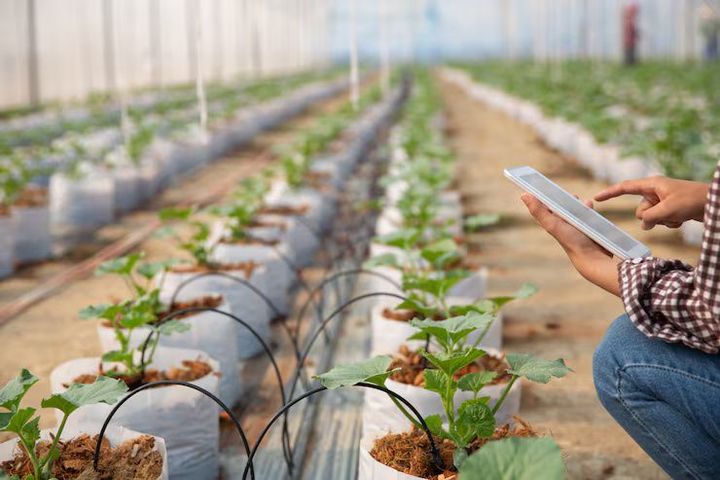
Smart Farming Technology: Guide to Modern Agriculture and Innovation
Agriculture has always evolved with time. From traditional hand tools to tractors and modern equipment, farming methods continue to improve. Today, a new wave of innovation is shaping the future of agriculture. This transformation is known as smart farming.
Out in the fields, tech meets tradition when gadgets start feeding data straight to growers. Instead of guessing, machines track what plants need by reading dirt moisture and sky patterns alike. Because information flows faster, watering or planting adjusts on the fly - no delays. When gear talks to people clearly, less gets wasted while harvests climb.
Farming struggles everywhere, hit hard by shifting weather patterns. Water is harder to find in many regions, while more people need feeding every year. Better ways of growing crops come into play because old methods fall short. Using smart tools brings clearer insight, helping farmers make wiser choices each step along the way.
Here’s a look at how clever tech helps grow food today. Picture machines that know when crops need water. Think sensors buried in soil sending alerts to phones miles away. Some tools watch fields from drones flying overhead. Others let farmers plant seeds using GPS signals. These bits of innovation change daily routines on farms large and small. Watch how data shapes decisions once made by instinct alone. See tractors steer themselves through muddy rows. Notice forecasts built from weather patterns and crop cycles blending together. This shift runs deeper than gadgets replacing hands. It connects harvests to networks far beyond the barnyard.
Understanding the Concept
Farming gets smarter when digital tools step in, helping grow more food with better control. Not just guessing anymore - information flows in continuously through sensors tied together online. Machines watch what happens across fields while numbers update moment by moment. Experience still matters, yet live feedback shapes choices faster than before.
Smart agriculture aims to boost efficiency, sustainability, and predictability on farms. When data on soil, crops, and weather gets gathered precisely, choices become clearer for growers. Instead of guessing, they rely on details that reflect real field conditions. Because measurements are consistent, responses to crop needs turn timely. With closer tracking comes better management over time. As patterns emerge, adjustments happen before problems grow large.
A key piece here? Using iot in smart farming. That term - iot - means Internet of Things. On farms, gear like soil probes, climate trackers, or watering tools links up online. These gadgets pass real-time details straight to those who grow crops.
A single drop of dry earth might trigger a hidden probe beneath the crops. When dampness falls below what’s needed, a signal travels outward instead of staying silent.
Farms come into view through satellites orbiting above, showing details invisible on the ground. Drones hover overhead, capturing real-time snapshots of crops stretching across fields. Machines handle repetitive tasks without tiring, shifting labor patterns in quiet ways. Information flows into software that maps growth, spots stress, reveals what eyes miss. Each piece connects - space views meet air scans meet digital insight - to shape how farming adapts.
Key Types and Categories
Farming gets smarter because tools step in to watch over fields. One after another, these systems track what crops need by checking soil or weather clues.
Sensor-Based Monitoring
Out in the fields, sensors sit quietly, gathering details on how nature behaves. These tiny tools track shifts - temperature, moisture, light - not with noise, but steady observation. Instead of guessing, they deliver real-time clues about what's happening around them. Information flows from each unit like a whisper through wires or air. What shows up later is data that reflects earth, sky, and everything between.
Common agricultural sensors measure:
- Soil moisture
- Soil temperature
- Nutrient levels
- Humidity
- Light intensity
Right now, these sensors keep sending fresh data. As conditions shift, growers see it happen at once - then adjust without delay.
Flying Cameras Watch From Above
Floating above fields, drones carry gadgets like cameras and tools that sense things. Covering lots of ground fast, these machines check crops without slowing down.
Drones help farmers:
- Identify crop stress
- Detect pest damage
- Monitor plant growth
- Analyze field health
From above, fields reveal patterns hard to spot when standing in them. Seeing crops this way uncovers what walking through rows simply misses.
Automated Irrigation Systems
Farming depends heavily on how well water is handled. Right when it's needed, precise amounts reach crops through technology that watches and responds. Instead of guessing, machines check conditions then decide flow.
Sprinklers now respond to how wet the ground really is, not just run on a schedule. Because of that, less water gets lost to overuse. Moisture sensors guide when to slow down or stop - making every drop count without drama.
Tracking Climate and Weather Patterns
Close to farmland, weather instruments record how hot or cold it gets, measure rain amounts, track air movement strength, also capture moisture levels in the atmosphere.
With this information, farmers can:
- Predict weather changes
- Plan planting schedules
- Protect crops from extreme conditions
Farmers face fewer surprises when forecasts match real conditions. Unexpected shifts in temperature matter less if they see them coming. Knowing rain timing means better planting choices. Sudden storms become easier to handle with early warnings. Climate chaos still happens - yet planning shrinks its impact.
Farm Data Platforms
Farms feed details into digital systems that learn patterns over time. Information arrives not just from ground sensors but also flying drones, even local climate posts.
Farmers look at screens showing:
- Soil conditions
- Crop health trends
- Field productivity
- Environmental patterns
Farmers find their footing when details line up just right.
How It Works
Step by step, smart farming builds on linked actions. Information flows through each phase, shaping how farms are run. Farms adapt using insights pulled from data collected along the way.
- Data Collection
Out in the fields, details start coming together through tools that watch closely. Devices placed around grab what's happening with dirt, plants, and sky shifts. A drone might fly by while sensors stay put, feeding bits piece by piece.
- Data Transmission
From the fields, signals travel across airwaves or online pathways. These links carry details straight into software tools or alert systems used on farms.
- Data Processing
Out of all things, smart setups take a close look at the data gathered. Because patterns matter, software spots shifts, oddities, or signs something might go off track.
If one part of a field dries out, sensors notice it right away.
- Decision Support
After checking the information, it shows farmers what might work better on their land. Sometimes that means changing how water gets to plants, keeping an eye on crops more closely, or trying new ways to boost soil health.
- Automated Responses
When certain tools are part of farming tech, they tweak watering schedules on their own. Sometimes a machine alters temperature or humidity inside greenhouses without help. Changes in how plants get food happen quietly, driven by sensors reading soil needs. Each shift comes from data, not guesswork, happening while farmers focus elsewhere.
Farms run smoother when machines handle tasks, because plants get what they need just when it matters.
Benefits and Advantages
Smart farming provides several practical advantages for modern agriculture.
Improved Crop Monitoring
Paying close attention the whole time lets farmers see how crops are doing as they grow. Spotting trouble early means fixes can start faster.
Better Resource Management
Farms save water, cut waste, when tech guides every drop. Where soil lacks nutrients, systems respond - no excess, no guesswork. Efficiency grows not by doing more, but by acting precise.
Increased Productivity
Farmers adjust when they plant by relying on precise details. When the time comes for watering, correct data guides their choices. Taking care of crops gets easier with reliable inputs shaping each step. Precision shapes how fields are managed day to day.
Reduced Environmental Impact
Water and nutrients go further when used carefully. Ecosystems nearby stay healthier because of it.
Data-Driven Decisions
Farming decisions built on solid information often turn out better than guesses. When numbers replace hunches, outcomes tend to follow a steadier path.
real world examples and applications
Farming tools powered by tech show up across fields today. Some areas grow crops using digital help instead. Machines that think like farmers appear where soil meets data. Even now, clever devices shape how food begins. Not far away, sensors watch plants day and night. These systems learn while seeds take root slowly.
Precision Crop Management
A single patch of struggling plants might catch attention when viewed from above. Where problems appear, closer checks happen before fixes begin. Fields reveal their secrets through silent signals sent skyward every day.
Smart Greenhouses
Inside these greenhouses, smart climate tools keep warmth and dampness just right so plants thrive. When changes happen, sensors tweak airflow, water, and light without stopping.
Livestock Monitoring
Besides crops, tech finds a place in handling farm animals. On the animal's body, gadgets keep track of how much they move, when they eat, along with signs about their condition.
Besides spotting sickness fast, farmers notice odd actions in animals. Early warnings show up when routines shift slightly. Unusual movements catch attention before bigger issues arise. Behavior changes often come first. Signs like slow eating or standing apart matter just as much. Quiet moments reveal what loud symptoms do not.
Water-Efficient Irrigation
Water runs short in some places, yet clever watering setups make sure none goes to waste. Starting at the ground level, sensors check dampness before any sprinklers turn on. That way, fields do not get wet unless they truly need it.
Pest Detection
Pictures from drones show exactly where bugs are causing trouble. Because of that, farmers spray only those spots, which means fewer chemicals get used. Where damage appears on the images, attention goes there - nowhere else.
Key things to know
Though farming tech offers benefits, some points need attention. Yet improvements come with conditions worth noting. Even so every gain has its matching challenge. Still progress asks for careful thought. On balance new tools bring both help and hurdles.
Technology Integration
For things to run without hiccups, separate pieces need to link up right. Not just sensors talking to drones, but also making sure alerts pass through cleanly to screens miles away. A signal jumps from hardware into software only when timing lines up perfectly. When one part stutters, the whole chain feels it - no exceptions.
Data Accuracy
Farming smarter hinges on trustworthy information. When sensors sit in wrong spots or deliver skewed numbers, choices go off track.
Connectivity
Farms out in distant spots often struggle to stay online. Without solid signal reach, modern farming tools can’t keep up.
Farmers Learn and Practice
Out here, knowing how to work a tablet matters just as much as understanding soil. Because without some grasp of what numbers on a screen mean, tractors stay idle. Learning happens slow sometimes, yet it sticks when shown right. Tools only do good if hands know why they’re pushing buttons. Lessons in fields or classrooms make the difference between guessing and growing.
Initial Setup and Infrastructure
Farms need tools like sensors, monitors, or network setups to make smart agriculture work. Thinking ahead makes it easier to bring those tools into daily operations.
Future Trends and Industry Insights
Farming tools keep changing fast. What’s coming next in clever crop growing is already on display through a handful of clear patterns.
AI tools help farmers grow crops with less waste
Out in the fields, artificial intelligence sifts through massive piles of farming information, spotting trends people might miss. Because machines learn over time, they can forecast problems like sick crops, tricky weather, or how much harvest a farm might get.
Autonomous Agricultural Machines
Out in the fields, tractors that steer themselves are showing up more often. With just a little oversight, they handle jobs like sowing seeds or gathering crops.
Advanced Drone Technology
Besides flying, tomorrow's drones might sense what crops need by checking nutrient levels. Disease signs could show up early through sharper detection methods. Soil health tracking may grow far more precise thanks to better onboard tools.
Climate-Adaptive Farming Systems
Farming faces new challenges when weather acts unpredictably. Because conditions shift, growers need tools that show real-time changes in soil and air. With updated insights, planting choices can match current realities instead of old assumptions.
Global Data Networks
Farms across the planet gather information that could guide scientists toward clearer insights on how food grows globally, while opening paths to better methods in cultivation. Though separate in location, their combined details form a picture wider than any single field, shaping smarter approaches over time instead of quick fixes.
Conclusion
Out in the fields, things are changing without much noise. Old ways of growing food now walk alongside gadgets that track every drop of water. Machines watch plants grow while humans make choices based on what they see. When weather shifts suddenly, alerts pop up instead of guesses being made. Tools learn patterns, soil talks through sensors, decisions come faster than before.
Out in the fields, sensors feed live updates so growers can spot issues before they spread. Drones hover above, capturing images that reveal hidden patterns underneath crops. Instead of guessing, farmers now adjust based on what the land actually shows. With IoT networks running between machines, changes happen faster when storms hit or soil dries out.
Farming gets smarter when tech steps in, quietly shifting how fields are managed. Water flows only where needed, thanks to systems that listen more than guess. Nutrients arrive in exact amounts, not dumped but placed with care. Crops reveal their condition early, caught by watchful sensors overhead. Productivity holds firm even as nature bears less strain.
When new tools come along, farming with smarts might just stick around. Those growing crops could see things run smoother, handle surprises better, one season after another. Shifts in how the world grows food may push more to follow this path, slowly but steady.