Small Farm Machines Explained: Tools and Equipment for Small-Scale Agriculture
Agriculture is changing as many farmers shift toward smaller plots of land and more efficient farming methods. In these settings, large agricultural machinery is often unnecessary or difficult to use. This is where small farm machines become important.
Working a tiny plot? Machines sized right make work go quicker. Tilling, planting, picking - each step gets simpler with gear built narrow and light. Effort drops when tools match the scale of the field. Speed grows without needing extra hands. Right-sized devices handle chores once done by muscle alone.
Working a small farm means every tool matters. When picked well, they turn long tasks into something lighter. Equipment sized for smaller plots helps tend plants without wasting effort. Instead of struggling through each job, farmers adjust their gear to match how the land rolls or what grows where. What fits one field might fail another - flexibility keeps things moving.
Mini farm tools come in many shapes. Some dig, others plant or move things around fields. These machines do jobs that once took lots of time by hand. A small tractor might pull a seeder across rows while a separate unit sprays water where needed. Farmers choose them when space limits big machinery. They fit narrow spaces plus handle tasks on uneven ground. Each tool works differently but shares one goal: make daily work easier. Their role grows as more people grow food in tight areas. Efficiency shows up in how fast chores get done without extra help.
Understanding the Concept
Farming on a modest scale means working smaller plots of land. Sometimes crops like vegetables grow here, sometimes rows of fruit trees take up space. Herbs might be tucked between them instead. A mix of plants often shares one patch of soil.
Smaller plots mean big tractors often just won’t fit. So, tiny farms use lightweight gear built for tight spaces.
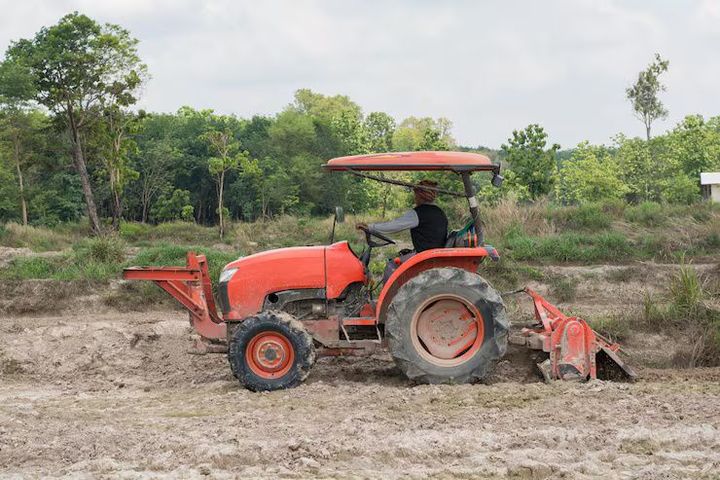
On tiny fields, compact tractors get work done without taking up much space. Though smaller than standard models, they handle chores just fine. Moving around tight spots? That comes naturally to them. Heavy-duty parts aren’t needed here - fewer complications mean less upkeep. When repairs pop up, fixing things doesn’t take long. Bigger rigs might dominate wide-open areas, but these fit where space is tight.
Common activities supported by small farm equipment include:
- Soil preparation
- Planting seeds or seedlings
- Water management
- Weed control
- Crop maintenance
- Harvesting
Out on the field, smaller machines take some weight off human hands. Because they run steadily, tasks feel more uniform day after day. When families grow food together, these gadgets make a noticeable difference. Where neighbors share land and effort, things tend to move smoother too. Even tight-knit growing circles find better rhythm using compact gear.
Types of Keys
Farms with limited space depend on tools grouped into distinct kinds. One kind handles planting, another deals with watering crops. Some gear lifts heavy loads while others prepare soil before seeds go in. Every piece steps in at certain moments during growing cycles. Machines arrive in phases, matching tasks that change through seasons.
1. Soil Preparation Equipment
Farming begins by getting dirt ready. Crops do well when the ground beneath them holds good strength.
Examples include:
- Mini tillers
- Compact cultivators
- Small plows
- Rotary soil mixers
Beneath the surface, roots get more air when dirt is broken up by these tools. Soil shifts texture, opening space where seeds can settle easily afterward. With looser earth, new plants find room to start growing right away.
2. Planting and Seeding Equipment
Seeds go in just right when using planting tools to set how deep plus where they land. Depth matters - these gadgets keep each one consistent while organizing spots row by row. Little helpers like dibbers or planters guide placement so nothing crowds its neighbor. Getting it wrong means weak growth; these items prevent that slip. Space and depth? They handle both without guesswork creeping in.
Common examples include:
- Hand seeders
- Small mechanical seed planters
- Row seeders
- Vegetable transplanters
Farmers can space their seeds just right on tiny plots using these gadgets.
3. Irrigation Equipment
Plants need water just like they need light - without it, nothing grows. On tiny plots, farmers lean on clever gadgets that sip every drop slowly.
Examples include:
- Portable water pumps
- Drip irrigation systems
- Small sprinkler systems
- Water distribution pipes
Pouring out across fields, these setups spread moisture where plants need it most.
4. Crop Maintenance Equipment
After planting, crops require ongoing care.
Apart from tractors, some tools show up on smaller plots. Following planting, certain hand-held devices help manage crops. Near harvest time, compact machines often appear in rows. Between seasons, lightweight gear gets stored under shelters. During growth phases, simple irrigation units run steadily. After tilling, basic spreaders distribute materials slowly
- Mini weed cutters
- Portable sprayers
- Small cultivators
- Lightweight trimming tools
Farmers use these tools to handle unwanted plants, bugs that damage crops, while also supporting how their fields grow. What happens is control over nature gets easier when technology steps in quietly doing its job without much fuss from sunrise onward.
5. Harvesting Tools
Harvesting equipment helps collect crops efficiently.
Examples include:
- Small harvesters
- Crop cutters
- Fruit picking tools
- Vegetable harvest baskets with mechanical aids
Farmers move faster through fields because these devices cut down on effort. Harvesting takes less time since body stress drops when using them.
Important Subsections
Compact Tractors
Small farms often rely on compact tractors because they handle a wide range of jobs. Though not as large as standard models, these machines deliver solid performance across daily chores.
Attachments might include things like
- Soil tillers
- Plows
- Seed planters
- Crop sprayers
Farming at different points benefits because they can adapt easily.
Mini Power Tillers
Starting off narrow rows, mini power tillers work well where bigger machines can’t go. Soil gets broken apart while bits of compost blend in naturally behind the tines.
Out in the fields, you’ll spot these machines doing work where veggies grow. Garden-sized plots rely on them just as much as bigger farms do.
Portable Crop Sprayers
Out in the fields, crop sprayers spread needed fluids over green growth. Carried by hand or fixed to small machines, portable ones fit tight spaces well. These tools work steady where big rigs won’t reach.
Pests stay away when plants are strong. Healthier crops handle stress better.
Small Harvesting Machines
Picking some plants gets easier when small-scale farms use machinery built just for them. Instead of hands, equipment speeds up collection while cutting down effort across fields.
How It Works
From planting onward, small tools help move things forward. At every turn in growing crops, a new machine takes over.
Here is how things usually go:
- Soil Preparation
- Apart from clearing weeds, the soil gets broken up with a small machine that digs into the ground. Because of this step, dirt becomes softer and ready for seeds later on.
- Field Layout
- Out in the field, rows take shape when markers guide the way. Sometimes a light pass with a tiller sets the line instead. Each section finds its place because tools leave clear signs. Lines appear where the soil gets touched first. Where seeds go depends on these quiet signals in the dirt.
- Seed Planting
- Buried by hand tools or tucked in with tiny machines, seeds go into the ground. Soil accepts them one at a time, depending on the method used nearby.
- Irrigation Setup
- Pipes that drip water slowly, along with tiny sprinklers, help keep dirt damp. Where needed, they spread liquid just enough to stop things drying out. These helpers run on timers so roots drink regularly. Moisture stays steady without wasting a drop.
- Crop Maintenance
- Midway through summer, machines like sprayers slice through unwanted growth so crops stay strong. A cultivator rolls across fields when young plants need space to breathe. Weed cutters show up where thick patches slow progress underground.
- Harvesting
- Once plants are ready, a small harvester or hand tool gathers them without waste.
From planting to harvest, each stage guides farm workers through crop care. A clear path unfolds, keeping fields on track season after season.
Benefits and Advantages
On tiny plots, compact equipment makes tasks easier. Though space is tight, these tools fit well between rows. Because they’re light, soil stays loose underneath. When chores pile up, smaller tractors save time without tearing up fields. Where big rigs fail, nimble devices get through. If budgets are slim, buying used mini-machines often works fine.
1. Improved Efficiency
Out in the fields, machines move quicker than hands ever could. When it comes to readying the ground, speed jumps up noticeably. Planting follows close behind, cutting down time a great deal. What once took days now wraps up much sooner.
2. Reduced Physical Effort
Farming usually means doing the same tiring tasks over and over. With smaller machines, workers feel less worn out during long days.
3. Better Crop Management
Starting off right, machines keep rows evenly spaced while handling water delivery along with ground readiness - crops grow stronger when these basics stay steady.
4. Flexibility in Limited Spaces
Out on tight plots, small machines handle row work where bigger tractors can’t turn. Bumpy ground doesn’t stop them - built low, they stay steady. Where space squeezes in, these units move without needing wide lanes. Their size fits gardens, slopes, even backyard patches just right.
5. Time Savings
Farmers finish several jobs faster when they have the right tools on hand. Instead of struggling through each step slowly, having proper gear means things move without delay. A well-chosen machine here, a reliable vehicle there - these make days more productive. Time once lost to delays gets reclaimed simply by showing up ready. Efficiency grows not from rushing but from using what works.
6. Versatility
Some devices work with swapable parts so they handle different jobs. Swapping tools means one machine does what several might otherwise do.
real world examples and applications
Farming on a modest scale shows up across countless regions globally. Machines built for compact plots assist diverse growing methods, yet each tool fits its own role. A single device might handle planting where others prepare soil - function shapes form. Where terrain shifts, so does machinery choice. Some tools move slowly through tight rows; others adapt quickly between tasks. Size matters less than fit for purpose. Even basic designs prove useful when matched to local needs.
Vegetable Farming
Farming veggies usually means using small machines to get dirt ready, drop seeds, then pull crops later. Equipment stays compact because tight rows need nimble tools that fit between plants without crushing them. Tasks like tilling or picking happen faster when the gear matches the plot size. Big tractors would wreck beds, so little rigs make more sense on narrow ground.
For example:
- Starting small helps shape garden plots before planting greens, reds, or spicy types. Soil shifts easier when tools break it early instead of waiting. Tiny machines handle tight rows where big ones won’t fit. Roots spread better after loosening takes place. Crops wake up faster in ground worked by hand-sized gears.
- Row seeders help maintain proper spacing for vegetable plants.
- Portable irrigation systems maintain moisture levels.
Orchard Farming
Among fruit trees, small equipment usually works best. Through narrow pathways, tractors need to fit without trouble. Rows of tall trunks leave little room for wide turns. Machines must be nimble where branches hang low. Space tightens when harvest time arrives.
Pulling through rows, tiny tractors keep orchard floors tidy. Sprayers follow close behind, shielding each tree without harsh treatment.
Community Agriculture Projects
Out in the open plots, folks tend rows with compact tools suited to tight layouts. These shared patches rely on lightweight machinery that fits between beds. Where neighbors grow food together, simpler machines make daily upkeep possible. Tending collective soil often means using gear built for precision over power.
Working side by side in tight spaces becomes smoother when tools are small. Teamwork grows simpler because everyone can move without bumping. Crops get tended faster since more hands fit around them. Little gear means less clutter where people need room. Shared tasks feel natural when equipment stays out of the way.
Mixed Farming Systems
Farming on a smaller scale often mixes growing plants with raising animals. To care for land where food for livestock grows, compact tools make daily tasks easier. These machines handle everything from preparing soil to tending rows of vegetables.
Important Factors to Understand
Before selecting or using agricultural machines, farmers should consider several factors.
1. Farm Size
A tiny piece of land changes what gear makes sense. Small spaces often need only hand-held gadgets, whereas bigger ones might handle mini-sized machines instead.
2. Crop Type
Picking the right gear depends on what's growing in the field. When it comes to veggies, machines that place seeds just so tend to matter most; grains though - they lean hard into harvest tech built for scale.
3. Soil Conditions
Depending on the dirt, different tools work better. When the ground is thick clay, heavier gear often does the job. Lighter implements usually handle sand just fine.
4. Terrain
Bumpy ground needs tools that stay steady while moving smoothly. When slopes appear, machines must handle twists without tipping over. Rolling terrain asks for gear built to turn sharply yet remain balanced. On slanting surfaces, only certain devices keep control during shifts. Uneven spots demand stability combined with flexible movement. Steep areas work better when equipment adapts quickly mid-motion.
5. Ease of Operation
Most compact farm machines run without much fuss. Still, knowing how they work helps out in the field.
6. Maintenance and Longevity
Every now then, wiping things down keeps parts moving smoothly. Oil here there prevents rust wear over time. A quick look around spots trouble before it grows worse.
Future Trends and Industry Insights
Farming tools keep changing, especially on smaller plots. What’s coming next for compact machinery is already taking shape in surprising ways.
1. Compact Electric Equipment
Farming gadgets that run on batteries show up more often these days. Quieter work happens because of them, also tasks feel less complicated sometimes.
2. Multi-Function Equipment
From tractors fitted with swappable tools to compact units built for quick changes, gear keeps shifting on today’s farms. One device handles planting after switching out a part yesterday used for tilling. Swapping pieces means less need for extra vehicles parked idle. Machines now adapt fast so work moves without long pauses between jobs.
3. Precision Farming Tools
Farm gadgets today can come packed with tech - like tiny monitors tracking how wet the ground stays. These small tools check plant health using built-in sensors. Moisture levels get watched closely, thanks to clever additions inside basic machinery. Crop status updates arrive through simple digital helpers tucked into older designs.
4. Lightweight Agricultural Technology
Built better, today’s gear uses fresh materials - making it light without giving up toughness. Easier handling slips in quietly, thanks to smarter design choices behind the scenes.
5. Sustainable Farming Tools
Farming tools are changing because people care more about nature. Some now save dirt from washing away while using less water. These updates happen slowly, yet they stick around once tried. Machines adapt when farmers see results without extra effort. Water stays put longer thanks to smarter design choices. Soil health improves even under tough weather patterns. Progress shows up in quiet ways across wide fields.
Farms might grow more food using new tools that also care for the land. Some changes could boost harvests without hurting nature around them.
Conclusion
Farming on a modest scale helps feed people across the globe. Those tending tiny fields depend on gear suited to their patch of soil - tools shaped by real daily demands.
Farming gets easier when tiny tractors dig, seed, water, tend, then gather crops. With less hand work needed, tasks move faster because tools handle more ground.
Out on tighter plots, tiny tractors make a big difference when space is tight. Where rows squeeze close, miniature machinery slips through without fuss. Instead of wide turns, these tools pivot sharply, fitting snug between plants. With well-chosen gear in hand, growers handle planting tasks faster than before. Through careful selection, modest-sized kits keep soil work steady across seasons.
Farming gadgets might get smarter, fitting tighter spaces while doing more work. When fields are small, handy machines help growers keep soil healthy and crops coming. Tools built for tiny plots could shift how harvests happen down the road. With each upgrade, those working the land may find it easier to feed communities without wasting resources.