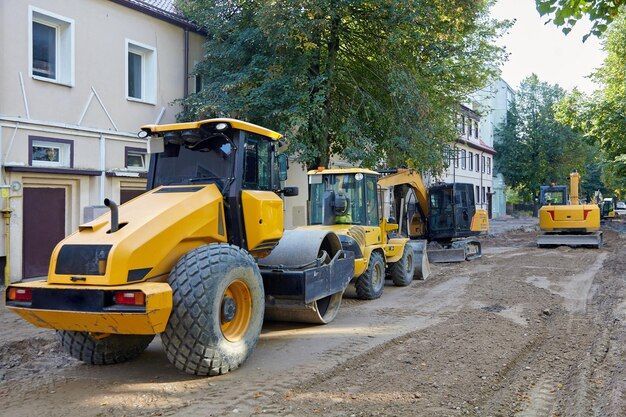
Small Construction Machines: Basics, Equipment Types, and Practical Uses
Construction projects often involve heavy tasks such as digging, lifting, grading, and transporting materials. Large machines handle many of these activities, but not every project requires massive equipment. In many situations, smaller machines provide the flexibility and precision needed to complete tasks efficiently.
Out in today’s builds, tiny machines handle heavy jobs. Where big gear won’t fit, these units move right in. Homes go up faster because of their reach. Land shaping leans on them when space gets tight. Roads stay fixed thanks to compact power doing the grind. Even little civil works depend on their steady work day after day.
Smaller equipment fits better when city spaces squeeze tight. Moving through cramped spots becomes simpler since compact designs slide past fences, gates, or parked cars. Backyard jobs, alleyways, even indoor rebuilds open up once bulk shrinks down. Tight corners stop blocking progress because lightweight units turn quicker than big rigs ever could.
Mini diggers, small loaders - these tools show up more often on job sites now. Because space gets tighter, crews pick them over big rigs. Their jobs? Tight spots, indoor rework, backyard access. Watch one climb a ramp into a basement. See it shift gravel where cranes won’t fit. Some run electric, others diesel. Noise drops, maneuvering improves. Operators like the precision. Projects finish faster, not because of power, but smarter movement. You spot them in cities first, then suburbs follow. Not replacing giants, just doing what giants cannot.
Understanding the Concept
Out in the field, compact machines handle jobs big rigs can’t squeeze into. Built light, they slide through tight spots most gear would struggle with. Moving them around? Less hassle than hauling heavier models. Their size makes shifting from site to site something you barely notice. You’ll spot these where space is short but work still piles up.
Out in tight city spots where big rigs just won’t fit, smaller construction units get the job done. Where space crunches hard, these nimble tools dig, shift loads, ready surfaces, even shape outdoor layouts. Their size lets them weave through narrow lanes, working close to walls or among buildings without backing out.
What sets compact building tools apart comes down to a few key traits
- Smaller physical size
- Easier movement in tight locations
- Reduced ground pressure
- Simplified controls for operators
- Versatility across different tasks
Out on neighborhood builds, tiny streets getting upgrades, or spots where workers hook up services - you’ll spot these little machines hard at work. Picture a team needing to carve out a long cut in the ground for a pipe, squeezed between houses; that’s when compact gear steps in, doing the job tight and clean while leaving nearby walls and sidewalks untouched.
What also boosts their appeal? Easy access plays a big role. When short-term machines are needed for certain stages of work, plenty of builders turn to renting compact gear instead. Availability makes it practical.
Types of Keys
From compact diggers to mini loaders, tiny work machines show up in many shapes. Built for one job only, every model tackles its own kind of building chore.
Mini Excavators
On wheels of their own design, mini excavators show up on nearly every small job site you can imagine. Spinning cabins let them swivel while arms bend into tight spots - each ending with a bucket ready to scoop earth.
Common uses include:
- Digging trenches for pipes
- Landscaping projects
- Foundation preparation
- Small demolition tasks
Where big machines won’t fit, mini excavators get the job done instead.
Skid Steer Loaders
Turning on a dime, skid steer loaders handle tight spots with ease. These compact units roll forward either on rubber tires or rugged tracks. Their nimbleness comes from how each side moves independently. Built tough but sized small, they fit where bigger machines cannot go.
Typical applications include:
- Moving soil and debris
- Loading materials
- Clearing construction areas
- Surface leveling
Hook on different tools to these machines, making them do more tasks. A range of add-ons fit right in, boosting what they handle. Attachments snap into place, opening up new ways to get work done. These extras plug in easily, changing how the machine behaves. Fitting new parts lets the device take on fresh jobs.
Compact Track Loaders
These little workhorses look like skid steers at first glance. Yet they roll on tracks, not tires. Weight spreads out better under that setup. Softer terrain handles their movement without sinking in too deep.
These machines are frequently used for:
- Landscaping preparation
- Site grading
- Material transport
- Ground leveling
Mini Dumpers
Starting off, mini dumpers work like tiny trucks on job areas where building happens. These little machines haul dirt, stones, loose ground stuff, alongside similar loads. Sometimes they roll through muddy paths, other times they climb slight slopes quietly. Their size helps them squeeze into tight spots regular vehicles cannot reach. Despite being compact, they manage heavy contents without trouble.
Built small, these machines squeeze down tight lanes where bigger trucks simply won’t fit.
Plate Compactors
Heavy plates press down on dirt, stones, or paved areas to make them firm. Because of that pressure, the surface becomes stable enough to support roads or buildings.
Out on roads getting fixed, you’ll spot them hard at work. Paths taking shape often rely on their steady presence. When foundations are being set up, they show up without fail.
Concrete Mixers
Out in the yard, you might spot a concrete mixer churning away. This compact machine blends cement with sand, tossing in water along with gravel to form a thick batch. Foundations take shape using that mixture, also some walls rely on it. Structural parts across sites often come together thanks to what these units deliver.
When space is tight, smaller mixers really shine on home building sites.
How It Works
Even when jobs vary, tiny construction tools usually stick to a few core stages. Machines might differ, yet their overall flow often feels familiar. What one digger does another might repeat, just slower or faster. Despite changes in design, certain rhythms stay predictable across models. Each task shifts, but underneath, patterns emerge without fail.
1. Planning the Task
Construction crews figure out the job at hand prior to operating equipment. Digging trenches might come first, followed by moving supplies around site areas. Getting dirt ready for foundations often happens once machines arrive on location.
2. Selecting the Right Machine
Depending on what needs doing, plus where it’s done, different machines fit better. Take cleaning floors in a busy kitchen - something tough and easy to steer matters most
- Mini diggers handle digging jobs most times. Sometimes a small machine does the work better.
- Surface leveling may require compact loaders.
- Few small dump trucks could handle moving materials. Transport tasks might rely on compact hauling machines instead.
3. Setting up the workspace
Checking happens where building takes place so the equipment travels without trouble. Things blocking the way - leftover materials, shaky ground - are cleared out before work begins.
4. Operating the Machine
From up top, the operator moves levers and presses pedals to guide what happens below. Even when small in size, that thing can dig deep or lift heavy thanks to fluid power inside its veins.
A single scoop from a mini excavator's hydraulic arm moves earth fast, even though the whole unit stays compact. Though small, it handles dirt work without slowing down.
5. Completing the Task
After finishing its job, off goes the machine to a new spot, ready for what comes next. Different tools snap on, changing how it works without delay. One moment it digs, the next it lifts - switching roles like turning pages. Where it ends up depends on what needs doing, not fixed paths. Each change adjusts its shape, giving it fresh purpose across tasks.
Benefits and Advantages
Small construction machines provide several advantages that make them valuable in modern construction projects.
Reach Confined Spaces Easily
Where big machines won’t fit, small ones get the job done. Cities benefit because tight spots still allow room for progress.
Improved Efficiency
Smaller size does not stop these machines from getting far more done than people working by hand. Though compact, their output easily outpaces what a person can achieve manually.
Versatility
A single machine often handles different tools at once. Take the skid steer loader - swap in a bucket, an auger, or lifting forks based on what needs doing.
Reduced Site Disruption
Little machines shake the ground less. Nearby buildings stay steadier when they run.
Transport Convenience
A small trailer might carry mini construction gear, so shifting it around feels less of a hassle.
Practical Equipment Access
When projects need machines just for a while, crews tend to look into renting compact gear. Sometimes temporary work pushes teams toward hiring lightweight tools instead of buying. For brief stretches on site, smaller rigs show up through rental deals more than once. Short timelines make borrowing tiny equipment common among builders working tight schedules.
real world examples applications
Small construction machinery appears in many everyday construction environments.
Residential Construction
Besides house building, tiny diggers shift soil for basements while setting up pipes underground. Early on, these compact machines carve narrow ditches where walls will later stand. Where space is tight, they slide into place instead of larger models. Before concrete arrives, they finish slots for electrical or water routes. Nearby, workers guide their arms close to planned markings. Once paths form, the job moves forward without delay.
Landscaping Projects
Across garden sites, small machines shift dirt, rocks, and greenery thanks to landscaping crews. These workers rely on tight-sized loaders along with tiny dump trucks for transport tasks.
Road Maintenance
Out in the open, city teams fix walkways using compact machines. Sometimes those tools tackle tiny streets instead. Drainage work? That job too lands on their list regularly.
Utility Installation
Besides laying water pipes, utility crews rely on small construction gear when adding electric conduits - fiber lines come next in city areas. Tiny machinery handles underground jobs where space runs tight during neighborhood upgrades. Instead of big rigs, these pros pick nimble tools to avoid tearing up entire streets. Each job shifts slightly depending on what’s already buried below sidewalks and driveways.
Interior Renovation Projects
Inside big buildings, some construction machines fit just fine. These tools help clear out rubble while shifts in structure happen. Moving supplies around? That job gets easier too.
Key Things to Know
Several important considerations influence the use of small construction equipment in building environments.
Site Conditions
Ground conditions shape which equipment works best. Where earth gives way underfoot, tracks often outperform wheels.
Machine Capacity
One thing at a time - each machine handles only so much lift or dig work. Picking the right one keeps things moving without risk. A mismatch slows everything down.
Operator Knowledge
Working a machine means knowing what it does inside. When people learn properly, they stay out of harm's way while getting things done.
Equipment Versatility
Starting off with tools that handle various add-ons usually means they adapt well across many building tasks. One moment you’re digging, next thing a new piece turns it into something else entirely. Swapping parts keeps things moving without needing extra machines around. Flexibility shows up most when the job changes fast and expectations shift midstream.
Project Scale
When space is tight, tiny equipment often works best - though big jobs sometimes demand bulkier tools instead. Still, sprawling construction efforts can’t always rely on minimal gear alone.
Future Trends and Industry Insights
Still moving forward, the building trade rolls out fresh tech for smaller equipment. With a focus on smoother workdays, these updates target cleaner performance alongside simpler handling.
Several trends are shaping the future of small construction machinery.
Electric-Powered Machines
Out in the open, new electric models of small construction gear are taking shape. Not only do they run quieter, but their exhaust output drops way down too - perfect where city work demands less disturbance.
Improved Safety Features
Fog lifts. Bright screens show what’s ahead, helping drivers see clearly. Machines now sense movement nearby through hidden detectors. These alerts pop up when something shifts close by. Safety grows stronger because warnings arrive before trouble does. Helpers inside speak up if risks appear suddenly.
Smart Monitoring Systems
Machines sometimes come with built-in sensors, these keep an eye on how well they run while flagging upkeep hints along the way.
Increase in Need for Smaller Machinery
When cities spread out, building sites get tighter. Because of bigger roads and more homes going up, small machines are needed more than before. Tight corners and narrow streets push crews to choose tiny diggers instead of large ones. Space runs short where buildings crowd together. That shift means little tools now play a much larger role on job sites. Machines that fit through gates change how projects move forward.
Greater Accessibility
When planning builds, teams often turn to renting compact machines instead of owning them outright. This way, they get what’s required just when it’s needed. Owning everything becomes unnecessary since gear comes only during active stages. Temporary needs match well with temporary availability. Keeping a full fleet sits idle too much otherwise. Rental fills gaps without long-term ties.
Conclusion
Out there on job sites, little diggers get things done without needing much space. Because they’re built small, these machines squeeze into tight spots - places big rigs simply can’t reach.
Mini excavators, then skid steers - each built for a role on job sites. One digs deep, while others shift dirt or level surfaces. Compact track loaders bring grip where wheels slip. Mini dumpers haul loads small trucks can’t handle. Tasks like trenching, grading, or moving debris fall to these tools. They fit tight spots bigger rigs never reach.
Small building tools get jobs done faster while causing less trouble on crowded job sites. When spaces are tight, these machines help crews finish work that bigger ones can’t handle. With cities growing and tech improving, tiny construction gear might soon be everywhere you look.
Small construction machines stay useful because they can do many jobs well. Their different kinds fit various tasks on homes, businesses, buildings, or roads. Knowing what each type does makes it clearer how often they’re needed. From digging to lifting, moving materials to breaking concrete, these tools adapt quickly. Each model brings something unique without taking up much space. Projects keep relying on them since they work efficiently where big equipment cannot go.