Pharma Packaging Machines: Complete Guide to Types and Working

Pharma packaging machines play a vital role in the healthcare industry. These machines ensure that medicines are packed safely, accurately, and hygienically before reaching patients. From tablets to syrups, every product needs proper packaging to maintain quality and extend shelf life.

In simple terms, these machines help protect medicines from contamination, moisture, and damage. They also make sure each product carries the correct labeling and dosage information. As the demand for medicines continues to grow, the importance of reliable pharma packaging equipment becomes even greater.

Understanding the Concept

Pharma packaging machines are specialized systems designed to pack pharmaceutical products in a controlled and clean environment. These machines are part of a larger pharmaceutical packaging line that handles everything from filling containers to sealing and labeling them.

The goal is simple: maintain product safety while improving efficiency. For example, when a pharmaceutical filling machine fills liquid medicine into bottles, it must ensure precise volume in every unit. Even a small error can affect patient safety.

These machines follow strict guidelines and operate under controlled conditions to meet industry standards. Cleanliness, accuracy, and consistency are the key principles behind their design.

Key Types or Categories

There are different types of pharma packaging machines based on the kind of product and packaging required.

1. Liquid Filling Machines

These machines handle liquid medicines like syrups, suspensions, and injections. A pharmaceutical filling machine ensures that each bottle or vial gets the exact amount of liquid.

2. Tablet and Capsule Packaging Machines

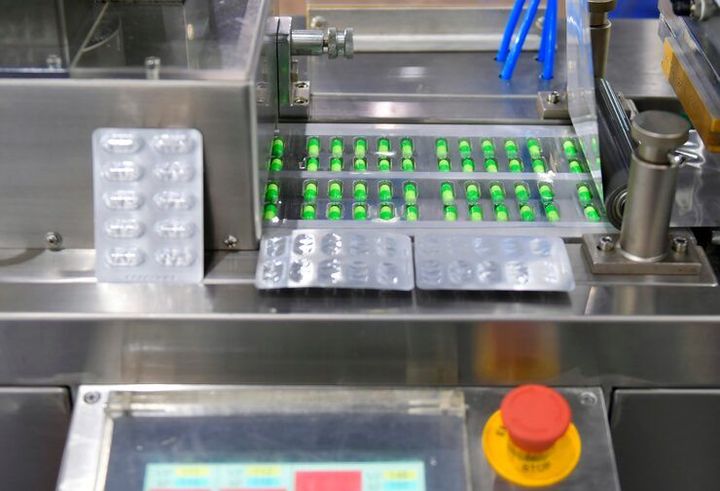
Used for solid medicines, these machines pack tablets and capsules into blister packs or bottles. Blister packaging helps protect each unit individually.

3. Powder Packaging Machines

These machines are designed for powdered medicines. They measure and pack powders into sachets, bottles, or containers.

4. Blister Packaging Machines

Blister packs are common for tablets and capsules. These machines create sealed pockets that protect medicines from air and moisture.

5. Labeling Machines

Labeling machines add important information like dosage, expiry date, and batch number. Accurate labeling is critical for patient safety.

6. Cartoning Machines

These machines place packaged products into boxes. They are often used at the final stage of a pharmaceutical packaging line.

Important Subsections

Primary Packaging

This is the first layer that directly touches the medicine. Examples include bottles, vials, and blister packs.

Secondary Packaging

This includes outer boxes and cartons that group products together and provide additional protection.

Tertiary Packaging

Used for bulk handling, such as large boxes or pallets for transportation.

How It Works

The working of pharma packaging machines can be understood in a simple step-by-step process.

  1. Product Feeding
    Medicines are supplied to the machine, either manually or through automated systems.
  2. Filling Process
    A pharmaceutical filling machine measures and fills the product into containers. For liquids, this may involve pumps or gravity-based systems.
  3. Sealing
    Containers are sealed to prevent leakage or contamination. This could involve caps, heat sealing, or foil sealing.
  4. Labeling
    Labels are applied with important details like product name, dosage, and manufacturing date.
  5. Inspection
    Machines or operators check for defects such as incorrect filling or damaged packaging.
  6. Cartoning and Final Packing
    Products are placed into cartons and prepared for storage or transport.

Each step is carefully controlled to ensure quality and consistency.

Benefits and Advantages

Using pharma packaging machines brings several important advantages:

  • High Accuracy
    Machines ensure precise filling and packaging, reducing errors.
  • Improved Hygiene
    Automated systems reduce human contact, maintaining cleanliness.
  • Faster Production
    Large quantities can be processed in a short time.
  • Consistency
    Every package meets the same quality standards.
  • Better Product Protection
    Proper packaging keeps medicines safe from environmental factors.
  • Efficient Pharmaceutical Packaging Line
    Integration of multiple machines creates a smooth and continuous workflow.

Real-World Examples or Applications

Pharma packaging machines are used in many everyday scenarios.

  • Tablet Packaging
    When you open a strip of tablets, it likely comes from a blister packaging machine that sealed each tablet individually.
  • Syrup Bottling
    A pharmaceutical filling machine fills syrup bottles with exact measurements to ensure safe consumption.
  • Vaccine Packaging
    Vaccines are packed in sterile vials using advanced pharma packaging equipment to maintain safety.
  • Powder Sachets
    Medicines like oral rehydration salts are packed in sachets using powder packaging machines.

These examples show how these machines are part of daily healthcare products.

Important Factors to Understand

When working with pharma packaging machines, several factors need attention:

  • Material Compatibility
    Packaging materials must not react with the medicine.
  • Precision and Calibration
    Machines must be regularly adjusted to maintain accuracy.
  • Cleanroom Environment
    Many operations take place in controlled environments to avoid contamination.
  • Regulatory Compliance
    Machines must meet strict industry standards and guidelines.
  • Maintenance
    Regular upkeep ensures smooth operation and reduces downtime.
  • Scalability
    Equipment should handle increasing production needs without compromising quality.

Understanding these factors helps maintain efficiency and safety in the pharmaceutical packaging line.

Future Trends and Industry Insights

The field of pharma packaging equipment is evolving rapidly with new technologies.

  • Automation and Robotics
    Modern machines are becoming more automated, reducing manual intervention.
  • Smart Monitoring Systems
    Sensors and digital tools help track performance and detect issues early.
  • Eco-Friendly Packaging
    There is a growing focus on sustainable materials and reducing waste.
  • Flexible Machines
    Machines that can handle multiple types of products are gaining popularity.
  • Integration with Data Systems
    Advanced systems allow better tracking of production and quality.
  • Improved Pharmaceutical Filling Machine Designs
    New designs focus on higher precision and reduced product loss.

These trends aim to improve efficiency, safety, and sustainability in the industry.

Conclusion

Pharma packaging machines are essential for ensuring that medicines are safe, effective, and ready for use. From filling and sealing to labeling and cartoning, every step plays a crucial role in protecting the product.

With different types of machines available, each designed for specific tasks, the pharmaceutical packaging line becomes a well-coordinated system. As technology continues to advance, these machines are becoming smarter, faster, and more reliable.

Understanding how pharma packaging machines work helps us appreciate the effort behind every medicine we use. They are not just machines but key contributors to modern healthcare.