Packaging Technology: Principles, Methods, and Modern Packaging Solutions
Packaging plays an important role in everyday life. From food containers in supermarkets to protective boxes used during transportation, packaging helps keep products safe, clean, and organized. Over time, packaging has evolved into a complex field known as packaging technology.
Packed goods move safely when science guides the wrap. Protection begins long before shipping, shaped by smart design choices. From factory floors to delivery trucks, materials behave differently under stress. What holds a gadget together during travel often comes from lab tests first. Moving things around demands thinking about breakage, weight, space. Strong packaging thinks ahead, using insights from engineering and supply chains alike.
Wrapping things up today goes way beyond a simple box or cover. Staying fresh longer comes from clever methods, these also keep items safe while adding clear details for those using them. Think altered air inside packs, tech-aware wraps, smarter overall setups - these drive global transport and storage now. Freshness moves further, safety climbs higher, knowledge travels too.
From farm to shelf, freshness sticks around because hidden tech steps in. Smooth handling happens without extra effort thanks to smart design choices behind the scenes. Protection kicks in before damage gets a chance. Simple tasks stay simple since materials adapt on their own.
Understanding the Concept
From start to finish, how things get wrapped up ties into what we call packaging tech - basically, picking stuff like plastics or boxes along with tools that seal them tight. Protection matters most; keeping goods safe means blocking harm from bumps, dirty particles, water in the air, sunlight, or heat swings.
Put plainly, how we wrap things tackles three big puzzles. What goes inside? How do we seal it up tight? Will it stay fresh till it gets there?
- How should a product be protected?
- Which stuff works best to keep things safe?
- How ought the item be boxed and closed up? Pack it how - sealed which way?
Breathe-friendly wraps work best when keeping veggies crisp. When moving gadgets, tough shells beat soft ones every time.
Out of today’s concerns comes a shift toward greener packaging choices. Efficiency sneaks into design through smarter shapes and lighter materials. Protection stays high even when layers get thinner. Waste drops as systems evolve with tighter precision. Safety rides along quietly in updated seals and barriers.
Some common goals of packaging technology include:
- Protecting products from physical damage
- Preserving freshness and quality
- Extending shelf life
- Improving storage and transportation efficiency
- Providing information through labels and indicators
How things get wrapped depends on what each field needs. A factory might care about speed, while a pharmacy focuses on safety. Some want it light, others need strength. Each choice follows clear aims behind the scenes.
Key Types and Categories
From vacuum sealing to moisture-resistant wraps, methods shift based on what's inside and where it's kept. How a product travels shapes how it’s wrapped - some need cold, others lock out air. Storage life often depends less on the container and more on material choice. Inside climate matters just as much as outside protection when shielding goods. Not every package fights spoilage the same way - design follows demand.
Modified Atmosphere Packaging
Inside food packages, the usual mix of gases gets swapped out. This shift helps delay rotting by altering what surrounds the product. Freshness lasts longer when oxygen levels drop. Different foods need different gas blends. Some items breathe less when packed this way. Slowing decay happens without adding preservatives. The method replaces normal air with custom mixes. Microbes grow slower in adjusted environments. Packaging stays sealed tight after treatment. Altered atmospheres extend shelf life quietly.
Most of the time, the air around us holds oxygen, nitrogen, along with a bit of carbon dioxide. Food goes bad quicker when it meets too much oxygen. Inside modified atmosphere packs, less oxygen sits present - different gas amounts shift instead to keep things fresh longer.
Common applications include:
- Fresh meat and poultry
- Ready-to-eat meals
- Fresh fruits and vegetables
- Dairy products
Inside the packaging, adjusting the air keeps food fresh much longer while still tasting just as good. Air changes made right slow down spoilage so flavor does not fade fast.
Intelligent Packaging
Inside the box, sensors wake up when temperature shifts. As time passes, they track freshness without human help. A sudden change alerts everyone down the line. Light exposure? It gets recorded too. Pressure drops show up instantly. Each package tells its own story. No guesswork needed after that.
Take certain packages - these show a hue shift if warmth crosses into risky zones. That shift signals items might now pose a risk if eaten.
Examples of intelligent packaging features include:
- Temperature indicators
- Freshness indicators
- Time tracking labels
- Moisture detection indicators
With better tracking, products become safer because what happens along the way shows more clearly. Steps taken early reveal where things came from without hiding details later on.
Advanced Packaging
Out there, newer packaging styles mix fresh materials with smart machines and clever shapes to keep things safe. Sometimes it's about speed, sometimes about strength - each setup built differently. Machines step in where hands used to work, while wraps adapt like shells. Designs twist beyond old boxes, shaped by what they carry. Materials behave smarter now, reacting to heat, moisture, even time.
This type of packaging focuses on:
- improved durability
- lightweight materials
- improved sealing techniques
- optimized transportation efficiency
Out in the world of tech gadgets, medicine bottles, grocery items, even shipping stuff - fancy wrapping methods show up almost everywhere. Packaging that's built smarter pops up where you’d least expect, yet fits right in across industries dealing with pills, circuits, meals, moving goods. From tiny sensors to massive supply chains, upgraded wrap styles quietly do their job behind the scenes.
Protective Packaging
Packaging built to shield items keeps them safe while moving or being touched along the way.
Common protective materials include:
- bubble cushioning
- molded fiber inserts
- foam protection layers
- shock-absorbing structures
Bubble wrap, foam, and similar fillers shield delicate things like gadgets, lab tools, or anything made of glass. Fragile contents stay safe during moves because cushioning blocks sudden bumps. Stuff that breaks easily needs soft layers around it when shipped. Electronics, vials, screens - each gains safety from padded barriers. Jars, devices, instruments survive rough handling thanks to surrounding protection.
How It Works
From start to finish, packaging tech moves step by step, built to guard what it holds while keeping things smooth. Each stage fits together like links, making sure nothing gets damaged and work stays steady.
Product Analysis Step One
Start by getting clear on what the product is like.
Important questions include:
- Fragile item? Think twice before tossing it into the box.
- Moisture in the air - does that trigger a change? Could damp conditions set off any response?
- Is keeping a steady heat something it needs?
- For how much time is it going to stay kept?
What kind of wrap works best comes down to this review.
Material Selection
After figuring out what the product needs, picking the right wrapping stuff comes next.
Common packaging materials include:
- paper and cardboard
- plastic films
- metal containers
- glass packaging
- biodegradable materials
How it works hinges on how delicate the item is, along with where you keep it.
Step Three Packaging Design
After that comes the creation of protective shapes by engineers - smart layouts save material without sacrificing safety. These frames guard what's inside, built tough but trimmed thin where possible.
Design considerations include:
- structural strength
- ease of handling
- stacking capability
- space efficiency during transportation
Modern packaging design also focuses on reducing material waste.
Filling and Sealing
Once the wrapper gets made, inside goes the item, then it's closed up tight.
Airtight closures stop outside elements from slipping into food containers. Seals lock out microbes by blocking their path inward. Keeping contents safe means shutting off access completely. Protection starts when the barrier holds firm against invaders.
Different sealing methods include:
- heat sealing
- vacuum sealing
- pressure sealing
Keeping items fresh and safe becomes easier with these methods. Freshness stays longer when using such approaches. Safety improves because of how they work. These steps make a difference over time. Results show better outcomes consistently.
Inspection and Quality Control Step Five
A close look happens last, checking whether the package follows rules for safety plus quality.
Quality checks may include:
- leak detection
- seal strength testing
- pressure testing
- temperature stability evaluation
From start to finish, how a package holds up during shipping and while sitting around depends on these checks.
Benefits and Advantages
Modern packaging technology provides several important advantages for industries and consumers.
Improved Product Protection
From bumps to spills, packaging keeps stuff safe. Moisture stays out because of careful wrapping layers. Dropping something? The outer shell absorbs shock well.
Take fragile electronics. Bumped around in transit? Their special casing keeps them safe. Not magic - just smart design doing quiet work.
Extended Shelf Life
Putting different gases inside packages can delay rotting. Freshness stays intact much further into storage because of this shift in air makeup.
Food items need extra attention here.
Better Transportation Efficiency
Packing things well means they sit better on top of one another while moving around. A smart layout helps them travel without trouble.
Benefits include:
- improved storage organization
- reduced transportation damage
- optimized space usage
Enhanced Product Monitoring
Sensors built into smart wrappers keep watch on how items are holding up while they sit in warehouses or move by truck. Conditions like temperature or shock get recorded along the journey - giving updates without needing someone to check.
From time to time, signs showing heat levels or how fresh something is can point out risks early on. These clues catch problems while items are still moving toward buyers.
Reduced Waste
Out of today’s concerns comes a shift toward greener materials in package creation. Efficiency shapes choices just as much as environmental impact does.
Some high-end packaging picks materials that break down naturally, cutting harm to nature. A shift toward reusable designs helps lower waste in smarter ways. Often, these packs come from sources that won’t pile up in landfills. Eco-friendly choices show up more now, thanks to better manufacturing paths. Less pollution slips through when firms choose what Earth can handle.
Examples From Real Life
Packaging technology is used in many industries.
Food Industry
Food stays fresh because packaging keeps changing. What you eat arrives safe thanks to new materials protecting it along the way.
Examples include:
- modified atmosphere packaging used for fresh meat
- vacuum-sealed packaging for coffee
- moisture-resistant packaging for snacks
Still, keeping flavor fresh means watching how it’s stored. Texture holds up better when handled gently. Safety stays strong through careful steps.
Pharmaceutical Industry
Wrapped tight, medicines must stay sealed just right to work when needed.
Pharmaceutical packaging often includes:
- moisture barriers
- temperature indicators
- tamper-evident seals
Product integrity stays intact because of these traits.
Electronics Industry
Bumped too hard, they can fail fast. Static zaps sneak in without warning. Wetness creeps into circuits where it does not belong.
Protective packaging for electronics often includes:
- anti-static materials
- foam cushioning
- molded protective inserts
Fewer problems happen when things move from place to another. Protection improves because weak points get covered before trips start.
Logistics and Transportation
Packaging plays a major role in global supply chains.
Transportation packaging must handle:
- long-distance travel
- vibration during shipping
- stacking pressure in warehouses
Wrapped carefully, modern packing methods keep items secure during travel. Arriving intact often depends on how well they are boxed up beforehand.
Key Things to Know
Several important considerations influence packaging technology.
Product Sensitivity
Different products react differently to environmental conditions.
Factors to consider include:
- temperature sensitivity
- moisture exposure
- oxygen sensitivity
- physical fragility
Figuring out these pieces shapes how a package should work. What matters most changes what goes where. Each detail shifts the way things fit together. When one part moves, others follow along. How it all lines up decides what ends up built.
Material Sustainability
These days, how stuff affects nature shows up more in how packages look. Packaging choices now often reflect what happens to air and water when we're done using things.
Many companies are exploring:
- biodegradable packaging materials
- recyclable packaging structures
- reduced plastic usage
From nature-friendly wraps, less harm reaches the planet. Packaging built to last without waste cuts down clutter left behind.
Storage Conditions
Storage environments can affect packaging performance.
Conditions that influence packaging include:
- temperature changes
- humidity levels
- exposure to sunlight
- storage duration
When things get tough, packaging needs to keep working just fine.
Regulatory Requirements
Facing tough rules, some sectors must follow exact guidelines when wrapping their goods. Packaging here needs clear labels, nothing less. Rules shape how items are sealed, stored, tied to info on the outside. Safety comes first - always visible, always correct. Mistakes aren’t an option where health or laws hang in balance.
This matters most where medicine and meals are made.
Clear labels along with safeguards keep things aligned to safety rules.
Future Trends and Industry Insights
Still changing, packaging tech shifts when factories start using fresh materials alongside smart tools.
Several trends are shaping the future of packaging.
Smart Monitoring Systems
One day, boxes might watch how fresh things stay while they sit on shelves. These smart containers could change how we track what we buy. Hidden tech inside them works nonstop to check conditions. Instead of guessing, people will know exactly when something shifts. This kind of wrap reacts as the world moves around it.
These systems could track:
- temperature changes
- storage duration
- product freshness
Supply chains might become clearer because of these details.
Sustainable Packaging Innovations
Folks worried about nature? That's pushing new ways to wrap stuff without harming Earth. Some see trash piling up - so they’re swapping old plastics for things that break down easier. Not magic, just smarter choices showing up on shelves now.
Innovations include:
- plant-based packaging materials
- compostable packaging structures
- reusable packaging designs
From time to time, efforts are made to ease harm on nature even when shielding goods stays a priority. Still, keeping items safe does not always mean heavy damage elsewhere.
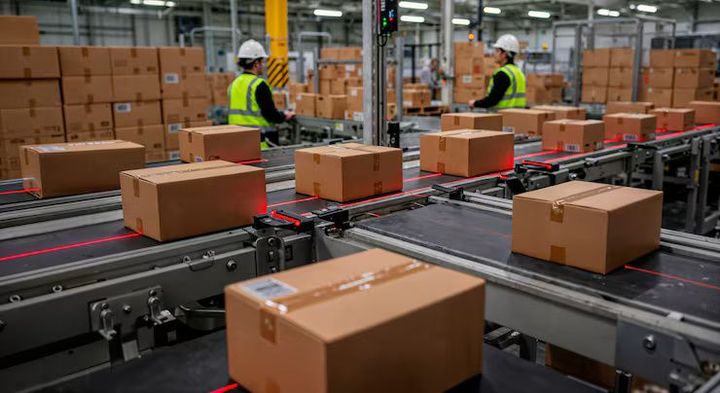
machines pack products faster with less human work
Modern production facilities increasingly rely on automated packaging systems.
Automation improves:
- packaging consistency
- production efficiency
- quality control
Machines handling tasks speed up big packaging jobs. What happens is routines run smoother when repetition gets handed off. Efficiency shows when output grows without extra effort. Processes stay steady because automated helpers rarely slow down. Big operations find balance through consistent performance.
Lightweight Packaging Design
Lighter packaging shows up more often, though it still holds up well under stress.
A small package means less fuel burned on the road, so movement gets easier. Hauling lighter loads cuts down power needs while speeding up delivery flow.
Conclusion
Wrapped goods stay safe because of how they are boxed or sealed. Protection starts simple but grows smarter over time. Changes in air inside packages help items last longer. Some boxes now respond to their surroundings, giving feedback about conditions. Progress never stops when it comes to keeping things fresh during travel across countries.
Because science meets smart materials, today's packages keep goods secure while they wait and move. New shapes come alive when tech blends into structure. Protection grows stronger where freshness matters most.
When factories start favoring greener stuff alongside digital tracking, wrappers won’t stay the same - they shift whenever problems or chances pop up. Seeing how that works helps explain why your toothpaste or snacks arrive unbroken, on time, without fuss.