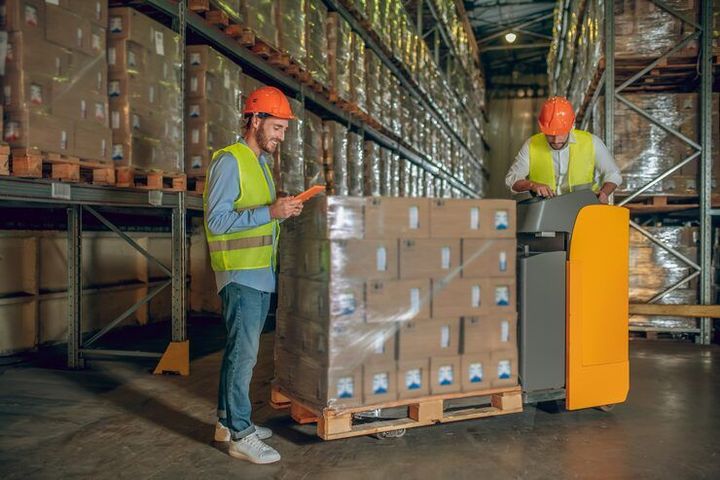
Packaging Material Handling Explained: Processes, Safety, and Automation
Packaging Material Handling plays an important role in modern industries. It refers to the movement, storage, control, and protection of packaging materials and packaged goods during manufacturing, storage, and transportation activities.
Factories making meals, workshops building cars - each one runs better when moving things happens without hiccups. Equipment flows matter just as much as the work done by people inside those walls.
Wrapped in care, packaging material handling moves goods step by step without harm. Machines, shelving setups, moving belts, hoists - these take heavy tasks off people's hands. Each part works behind the scenes so things keep flowing. Smarter tools pop up where effort once slowed progress down.
When factories get bigger, they need speedier ways to move things without risk. Today’s warehouses put machines to work because staying safe matters just as much as getting more done - handling stacks of boxes calls for smarter routines. Machines take over heavy jobs so people avoid injury while keeping pace with loads that never seem to stop arriving.
Understanding the Concept
From boxes to bubble wrap, handling packaging means getting supplies where they need to be without harm or holdups. Moving things like cartons, labels, or pallets takes care at every step. Efficiency grows when each piece arrives intact and on time. Containers, wraps, and other materials flow better with smart organization. Damage drops when attention stays high during transfers.
This process usually includes:
- Loading and unloading materials
- Transporting products within facilities
- Organizing warehouse storage
- Preparing items for shipping
- Managing packaging supplies
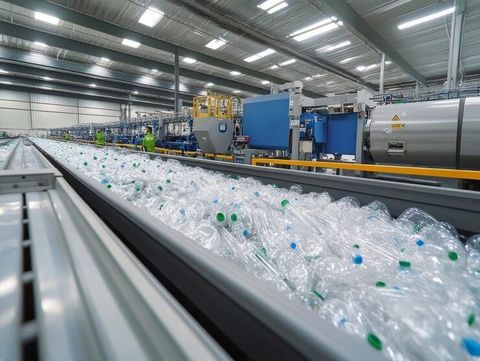
Take a drink factory. Bottles move along belts, then get filled. After that comes capping. Next, they slide into boxes. From there, they head to storage. Each shift needs steady control. Rough treatment risks breakage. Smooth movement keeps things running.
Smooth handling of packaging materials makes it easier for factories to keep stock in order while cutting down on wasted motion across workspaces.
Key Types and Categories
Some ways to move materials show up during packing work. One kind fits certain jobs, another suits different spots. A system might slide boxes along a line while nearby a lift shifts heavy loads. Machines often take paths built just for them. Where space is tight, small carriers twist through gaps. Bigger areas use long runs with steady flow. Some setups respond to changes fast; others run best when things stay predictable. Equipment choice ties closely to what gets moved and how often.
Manual Handling
Lifting, carrying, or shifting items without machines falls under manual handling. Workers often rely on their strength when using basic equipment. Moving things physically defines much of what happens onsite. Simple gear supports effort but does not replace human power. Physical work remains central whenever loads change place manually.
Common examples include:
- Hand trucks
- Trolleys
- Pallet jacks
- Storage bins
Smaller setups work better with this approach, especially when dealing with light packing supplies. Though it fits compact workflows, heavier materials might need something stronger instead.
Semi-Automated Handling
Some tasks rely on both people and machines working together. Equipment helps workers lift, shift, or sort items. Machines do part of the job while humans stay involved. People run tools designed to handle heavy movement. Assistance comes through gear that supports physical work. Operation happens when staff guide machinery during material handling.
Examples include:
- Forklifts
- Powered conveyors
- Lift tables
- Packaging line equipment
Human oversight stays possible because this group boosts how well things run.
Automated Material Handling
Robots move things on their own, guided by clever machines that hardly need people watching. Machines take charge, using digital brains to stay on track without constant help. With sensors and code working together, tasks flow smoothly behind the scenes. People step back while equipment handles shifts in real time. Intelligence built into tools keeps operations steady. Movement follows patterns set by software that adapts quietly.
Examples include:
- Robotic palletizers
- Automated conveyor systems
- Smart warehouse systems
- Sensor-based sorting equipment
Faster results drive many factories toward automated tools. Machines now handle tasks once done by hand. Efficiency grows when systems run without pause. Workers shift to roles that need human judgment instead.
Bulk Material Handling
Loose stuff like powder, grain, tiny beads, or chemical mixes moves through systems built for big loads during pack jobs. Handling these without containers depends on gear tuned for volume flow in production lines where filling bags or boxes matters most.
Equipment may include:
- Hoppers
- Silos
- Pneumatic conveyors
- Bucket elevators
Unit Load Handling
Packed goods stacked onto pallets or stuffed inside crates get shifted around using unit load methods. Moving these bundled items often means dealing with big chunks of stuff at once. Containers full of boxes travel easier when treated as single pieces during transfers. Grouped packages ride on platforms that machines can grab and drag across warehouses. Stuff piled neatly stays secure because the whole setup moves like one solid block.
Finding easier ways to move goods also tidies up storage spaces. Sometimes handling shipments differently clears clutter in depots.
Important Subsections
Conveyor Systems
From start to finish, conveyor setups handle a big share of packaging logistics. Moving stuff without stopping links each station along the way.
Benefits include:
- Reduced manual lifting
- Faster transportation
- Improved workflow consistency
- Lower physical strain on workers
Belt conveyors move things steadily through factories where smooth transport matters most. Sometimes rollers take over when items need support underneath while shifting along. Chain systems handle heavier loads, especially when packages must stay locked in place during transit.
Palletizing Equipment
Stacking machines line up boxed items on skids so they can be moved or kept.
Modern palletizing systems improve:
- Packaging stability
- Warehouse organization
- Shipping preparation
- Space utilization
Warehouse Storage Solutions
Out here, keeping things tidy often means fitting more into tight spots. A place for everything shows up best when shelves line walls instead of clutter piling on floors. Space breathes easier once bins hold what used to scatter across corners.
Common storage methods include:
- Pallet racks
- Shelving units
- Automated storage systems
- Vertical storage structures
Putting things away well means fewer broken items, while making stock checks easier.
Industrial Automation Technologies
Automation technologies are changing how facilities handle packaging materials.
Examples include:
- Robotics and automation systems
- Smart sensors
- Machine vision inspection
- Automated guided vehicles
- Industrial control systems
Beyond faster workflows, steady performance marks their impact. Machines respond quicker while routines stay smooth across shifts.
How It Works
From start to finish, handling packaging material means moving it carefully between stages. Each phase connects to the next without rushing ahead. Steps unfold one at a time so nothing gets missed along the way. Movement stays steady because timing matters just as much as direction. Progress happens only when each part is ready to shift forward.
Receiving Materials
Forklifts, conveyors, or lifting gear handle the arrival of packaging supplies at the site. Arrival means unloading begins right away through mechanical help.
Fresh off the delivery, workers check each piece for flaws before stacking it neatly away. Storage follows only after a close look at every item's condition.
Storage and Organization
Fresh off the sorting line, materials find their spot in assigned zones shaped by kind, dimensions, or what the job needs. Stored here, they wait - organized not just by category but how big they are, plus what comes next in making things move.
When things are stored well, staff find what they need without delay. Items appear faster if the system makes sense. Workers save time because everything has its place. A clear setup means less searching during busy moments. Finding supplies becomes simpler with smart organization.
Move Materials
Forklifts carry supplies across factory floors, shifting them from warehouses into active work zones. Moving parts rely on automated belts when speed matters during assembly tasks. Pallet movers guide heavy loads toward machines ready to process new batches. Transport systems keep operations flowing without delays between steps.
Machines move goods on their own, no hands needed. A network shifts items while people stay out of the loop. Stuff travels through setups that run without watching. Systems carry things using routines behind the scenes. Movement happens in silence, guided by hidden rules.
Packaging Operations
Packed goods show up in boxes, sometimes wrapped tight. Labels stick on, doing their job quietly. Protection comes from padding tucked around each item. Wraps hold things together until they arrive somewhere new.
Products shift from one packaging spot to another thanks to handling setups.
Palletizing and Shipping Prep
Piled high, finished boxes sit ready on pallets or get packed into shipping units. Containers wait, filled neatly, holding what's been prepared for travel by truck or ship.
Packaging gets a tight wrap, then marked clearly - keeps things safe while showing what's inside. Finished pieces carry tags, held firm by stretch film that clings through handling.
Warehouse Movement and Distribution
Fresh off the production line, boxed items head straight to storage hubs or pickup zones prior to their last leg out. Final stops depend on where trucks roll next.
Smooth motion cuts down wait times, while also lowering the chance of goods getting harmed during moves.
Benefits and Advantages
Packaging Material Handling provides many practical advantages across industries.
Improved Workplace Safety
Slipping less means fewer sore backs on the job. Smooth moves cut down how often people get hurt while working.
Machines handle dangerous substances when safety gear steps in first. Automated setups keep workers away from risky situations by design.
Increased Productivity
Smooth operations move goods faster while cutting wait times. Material flow improves when processes skip unnecessary steps. Faster transfers happen where clutter stays out of the way. Delays shrink once routines follow clear paths. Speed builds when each step links without hiccups. Movement gains rhythm where tools meet tasks neatly.
Faster movement along assembly tracks happens because supplies show up exactly where needed, without delays. Timing matters most when parts reach their spot precisely when required. Smooth workflows begin once components appear right on schedule. Efficiency grows whenever material placement matches the rhythm of work. Operations flow better since deliveries line up perfectly with production steps.
Better Space Utilization
Packed neatly, shelves stretch further while making items easier to reach. Storage that flows just right opens up room where clutter once lived.
Stacked shelving along with robotic helpers lets warehouses pack in extra goods without wasting space. Tall racks combined with smart machines make better use of room from floor to ceiling.
Reduced Product Damage
Packaging stays safe when moved or held if tools used are right for the job. Equipment that fits well keeps products intact through shifts and waits.
Keeping things consistent means the item stays fresh, while the wrapper holds up just right.
Enhanced Workflow Management
Fresh setups help link making things, holding them, then moving them out. Different spots work better together now because of how stuff connects behind the scenes.
Sensors update constantly, so sites can follow where materials go without delay.
Energy Efficiency Improvements
When machines run only when needed, energy waste drops off. Efficiency climbs because tasks flow smoother, without delays piling up. Systems smart enough to pause on their own keep things lean. Performance gets a quiet boost, just by cutting out idle moments. Smooth operations often come down to timing, not power.
Some newer conveyor setups run on tech that saves power.
real world examples and applications
From food to electronics, how stuff gets packed matters just about everywhere on Earth. Packaging Material Handling shapes the way products move across continents.
Food and Drink Sector
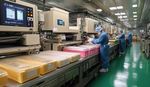
Through food plants, conveyors carry bottles while robots stack cans into neat layers. Palletizing units take over once items move past filling stations. Cartons glide along tracks toward sealing zones instead of manual handling. Automated arms bundle goods where people used to work hours sorting boxes. Machines handle packaged meals just like they do soft drink containers across production halls.
A snack factory might move sealed chip bags using automatic belts that carry them straight to where they’re stacked on pallets.
Pharmaceutical Industry
Besides strict protocols, drug production sites depend on precise packaging routines. Clean conditions matter just as much as correct labeling does.
Beyond moving supplies, machines handle meds after checks before tags get added. Machines move the boxes once checked, then prepare them for labels.
E-Commerce Warehouses
Out back, huge warehouses rely on self-driving carts along with belts that move boxes quickly through sorting areas. These machines work together without needing people to guide them each step of the way.
Finding things gets easier when shelves talk to computers. Packages move through spaces that watch every step. Systems update stock levels without anyone pressing buttons. Machines notice mistakes before boxes leave the building.
Automotive Manufacturing
Robots move big packages through car plants, while machines lift parts into place. Heavy items travel on automated arms instead of by hand. Machines take over where human strength ends, shifting loads with precision. Equipment handles what people cannot safely manage alone.
Electronics Industry
Bumping around too much can wreck delicate electronics. Static shocks pose a real threat to these gadgets. Handling them without caution might lead to sudden failures. Moving swiftly isn’t always safe for such fragile items. A single zap could disrupt their inner workings completely.
Packaging that shields items works alongside machines moving them to keep goods secure.
Key Things to Know
Performance of packaging material handling depends on a few key things.
Safety Standards
Safety rules at work help keep people safe while also protecting tools and machines.
Important safety practices include:
- Proper equipment training
- Regular inspections
- Emergency stop systems
- Safe lifting procedures
- Clear walking paths
Equipment Selection
Choosing the correct equipment depends on:
- Material weight
- Packaging size
- Facility layout
- Production speed
- Storage requirements
Different industries may require different handling solutions.
Maintenance Requirements
Faults creep in when tools aren’t checked often enough. Routine care keeps things moving without hitches.
Stopping problems before they start cuts down on surprise breakdowns while also slowing machine decay.
Environmental Conditions
Machinery might struggle when dust piles up, especially if the air turns too moist. Heat shifts sometimes warp packaging stock over time. When conditions swing dry, parts stick or jam more often.
Fragile goods need steady temperatures in certain fields. Where shifts matter, cool spaces keep things stable instead of risky heat. Precision work avoids wild swings through careful cooling setups.
Operational Efficiency
Patterns of motion get studied by many workplaces. Efficiency grows when paths people take are examined closely. Layout tweaks follow observations made over time. Movement data shapes how spaces function day to day.
When workers move less without reason, they get more done while feeling less pressure. Moving only when needed cuts down on wasted effort during tasks.
future trends and industry insights
Still moving forward, Packaging Material Handling changes as tech improves. New tools shape how materials get managed over time. Each update shifts the way tasks unfold across facilities. Progress comes slowly but keeps stepping ahead anyway.
Robots and machines doing more tasks
Faster results drive factories toward machines instead of people. Tasks once done by hand now run on programmed routines. Efficiency pulls sectors in, swapping labor for digital precision. Speed matters more every year, nudging fields to switch. Human effort fades where automated flows take over.
Out of nowhere, machines that stack boxes have started showing up more often in storage facilities. While automation quietly reshapes how warehouses operate behind the scenes.
Smart Warehousing
Fresh signals from gadgets inside smart storage spots keep tabs on where things are plus how they move moment by moment. Systems fed with live details adjust without waiting, making sure items stay accounted for. Watching every shift happens through digital eyes that never blink, tied together by quiet brains working behind walls. These setups notice changes before people do, nudging routines into better shape. Movement flows smoother when alerts pop at just the right instant, guided by patterns only machines spot easily.
Fine details become clearer when machines handle checks instead of people. Operations show their true shape through digital eyes watching every step.
Sustainable Packaging Practices
Besides cutting waste, firms now pick materials that break down easier. A growing number skip plastic altogether, choosing options kinder to nature. What once seemed rare - simple, earth-friendly wraps - is turning common across stores.
This includes:
- Recyclable packaging materials
- Reduced material waste
- Energy-efficient equipment
- Improved packaging design
Artificial Intelligence Integration
Smart machines let places study how work flows through them, while also boosting choices people make. Though some steps stay hidden, systems learn from each shift in movement across teams. Where routines repeat, insights grow sharper over time without extra effort. When changes happen slowly, adjustments follow just as quietly behind the scenes.
Faults in machinery often show hints ahead of breakdown - smart tracking spots them early. A system that watches performance might catch odd patterns long before things stop working.
Flexible Manufacturing Systems
Future handling systems are expected to become more adaptable for changing production requirements.
When needs shift, setups that bend instead of break keep pace without slowing down. Machines sized right for small runs work just as well when loads grow heavier later on.
Conclusion
From warehouses to production lines, moving packaging stuff happens every day. This process keeps products secure while they wait or travel through different stages. Instead it focuses on smooth transfers between trucks, shelves, and machines. Through handling systems, companies avoid damage during shifts from one place to another. Without care here, delays pop up easily down the line.
Out here, conveyor belts team up with robot arms to shift goods faster. Pallet stacking machines work alongside digital tracking for smoother moves. Smart sensors guide lifts through tight spots without a hitch. Efficiency jumps when tech handles heavy loads safely. Workflow order grows out of synced gear clicking into place.
Even as machines take over more tasks, moving packaging materials stays key to getting more done. Because smart tech spreads through factories, handling these supplies shapes how fast production can grow. When systems get smarter, the way we shift boxes and wraps matters just as much. Though robots handle assembly, feeding them material keeps operations smooth. Since every step counts, managing what goes into each process affects output. While attention focuses on high-tech tools, basic movement of items still drives results.