Oil Extraction Machines Explained: Methods, Benefits, and Applications
Oil extraction machines play an important role in turning seeds and nuts into useful oils that people use every day. From cooking oils to industrial applications, these machines help transform raw materials into valuable products in an efficient way.
Think of it this way: one gadget pulls oil out from stuff such as sunflower seeds, peanuts, mustard seeds, or even soybeans. As more people want plant-based oils, tiny workshops right up to big factories count on solid gear - not flashy, just effective - to keep output steady without losing standards.
This piece breaks down what these machines do, explores their various forms, while touching on the role they play in today’s manufacturing setups. Though built differently, each version helps speed up output without losing precision. Some rely on automation heavily, others mix human oversight with mechanical arms. As factories adapt to faster timelines, such equipment gains more attention across industries. Their presence is no longer rare, instead showing up in workflows once handled entirely by hand.
Understanding the Concept
Out of raw matter comes oil, pulled free through force or warmth. Sometimes chemicals step in to help break things apart. Machines take over where hands fail, making it faster. Speed matters when batches pile high.
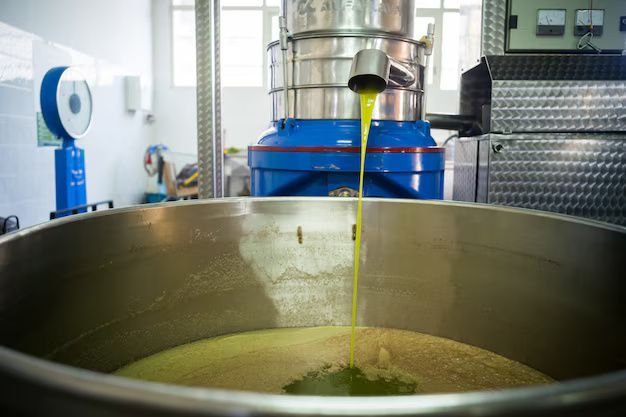
From the start, pressure squeezes nuts or seeds until liquid begins to flow. Out comes the oil, once locked within the center. Left behind is a dense leftover known as oil cake - good for feeding livestock or repurposed later. What stays after pressing turns into something useful again.
Out there, today’s equipment works hard to keep things running smooth - waste drops while oil quality stays true. When it comes to big batches, smarter pressing tech holds steady without losing rhythm.
Key Types and Categories
Oil extraction gadgets come in many forms, yet every kind fits a unique job size. Some work better for small batches while others handle big loads without slowing down. Each machine matches certain materials, depending on what you aim to pull from raw matter. Size matters less when the method lines up with your goal.
Cold Press Machines
Starting cold, these presses pull oil slowly. Without intense warmth along the way, goodness stays put. Taste remains full. Even scent holds true. Heat never rushes in to change things.
Key features:
- Low-temperature processing
- High-quality output
- Suitable for health-focused oil production
Hot Press Machines
Starting with warmth, these presses pull oil more easily. Because of higher temperatures, you get more liquid out. Yet certain traits in the material can fade along the way.
Key features:
- Higher oil output
- Faster processing
- Found often where machines work
Hydraulic Press Machines
Hydraulic force powers these units during oil extraction. Though speed is low, accuracy stays high.
Key features:
- Clean extraction
- Low noise operation
- Suitable for specialty oils
Screw Press Machines
Called expeller machines sometimes, they force seeds through a spinning screw that squashes them tightly. A turning rod inside squeezes the material hard, breaking it down slowly. The motion comes from a shaft twisting fast, pressing whatever is fed into it. Some call it cold-pressing when done without heat, though warmth builds anyway from friction deep in the chamber.
Key features:
- Continuous operation
- Widely used in industries
- Efficient for bulk processing
Automatic Systems
From start to finish, one machine takes care of pulling oil out, needing almost no help from people.
Key features:
- Integrated operations
- Time-saving functionality
- Consistent performance
Important Subsections
Manual versus Automatic Machines
- Pushing them by hand gets the job done, so they work fine for lighter tasks. These tools handle modest jobs without needing power sources.
- These units take in seeds, press out the liquid, then clean it - mostly on their own. Starting fresh each step runs without constant watch. One part loads material while another squeezes, followed by a stage that clears impurities. After filling, pressure builds, fluid moves through mesh. It works start to finish with little human presence nearby.
Small Scale and Industrial Machines Compared
- Home-sized gadgets fit tight spaces, yet work just fine where room is limited. These little units handle tasks without needing much effort to run them.
- Big rigs run nonstop, built into complex setups that pull oil from deep below. These units form the backbone of modern drilling efforts where steady output matters most.
How It Works
The oil extraction process follows a series of simple steps:
- Cleaning the raw material
- First things first - seeds or nuts get washed free of dirt, pebbles, along with unwanted bits. Dust vanishes, rocks disappear, anything odd comes out during cleaning. Whatever sticks on the surface gets knocked off gently. Impurities? Gone without a trace. Clean means clean, nothing less makes it through.
- Crushing or grinding
- Breaking apart the outer layer begins with crushing the substance, revealing what holds the oil inside.
- Heating (if required)
- Heat makes the substance move easier during pressing. The warmth helps release more liquid under pressure. With rising temperature, thick parts thin out quickly. When things get hotter, squeezing works better. Pressure finds less resistance when stuff warms up.
- Pressing
- A steady force presses material inside the unit, driven by either a threaded rod or fluid power. Oil begins to separate as compression builds within the chamber.
- Filtration
- Fine mesh traps leftover bits after squeezing. Tiny chunks stay behind when liquid flows through. Grit gets caught before the oil moves on. Solids remain while smooth fluid passes by. Particles stick as golden drops drip away.
- Collection
- Clean oil gets gathered once it's ready to be stored or moved along for more steps.
Starting here builds better results over time, keeping the output clean. Finishing each part carefully pulls out more oil without losing standards.
Benefits and Advantages
Using oil extraction machines offers several practical advantages:
- Improved efficiency
- Fast work happens when machines handle big loads instead of people doing it by hand.
- Better oil quality
- By managing the process carefully, impurities stay low while results remain steady.
- Reduced waste
- Out of today’s equipment comes near-total oil pull from natural inputs. Heavy-duty tools grab more liquid where older types once left it behind. What runs now spins out richness most methods used to miss entirely.
- Versatility
- Some seeds, along with various nuts, go through one device for preparation. The setup handles multiple types without needing changes. Each batch moves smoothly even when materials differ slightly. What works for almonds also fits sunflower kernels. No separate tools are required depending on size alone. A single unit manages the full range effectively.
- Time-saving
- These units handle oil pulling without needing much human work, which makes output move faster. Machines take over the heavy tasks, so things flow quicker than before.
- Scalability
- Whatever the size - be it a tiny workshop or a sprawling factory - the right machine fits the task at hand. Equipment picks follow what work must happen, nothing more.
- Consistency
- Out of nowhere, consistent results show up when using modern oil drilling methods - key for big operations. Machines work steady, so supply stays even across long runs.
real world examples and applications
From kitchens to factories, oil extraction machines show up everywhere. Whether it's food production or manufacturing, these tools play a quiet role. Not always seen, yet often working behind the scenes. Their presence stretches across tasks people rarely think about. Even common products rely on what they help create. Without drawing attention, they support processes day after day.
Food Industry
From seeds such as sunflowers, mustard, or peanuts, oil comes out after pressing inside special gear-driven units. A little kitchen-style setup might rely on one of these smaller devices just enough to make batches sold nearby.
Agriculture Sector
Out in the fields, some growers turn to oil presses after harvest. Because of this, they’re able to sell something more refined than plain seed.
Cosmetic Industry
From nature comes oils like those of coconuts and almonds, often found in lotions and shampoos. Cold pressing pulls them out without heat, keeping what makes them special intact.
Industrial Applications
From seed sources, oils find their way into items such as paint formulas, substances that reduce friction, along with alternatives to traditional plastics. These natural extracts serve roles far beyond cooking or nutrition. Their chemistry supports industrial uses where renewable origins matter. Some formulations rely on the unique structure of these plant-derived liquids. Not just fuels or food, they appear quietly across everyday goods.
Household Use
Now you can find compact devices made for household kitchens. Fresh oil production at home means more oversight on what goes into it each day.
Key Things to Know
Before choosing or using an oil extraction machine, it is important to consider several factors:
Type of Raw Material
Some seeds need one way to get them out; others call for a totally different approach. Take sunflower seeds, which come free with rubbing, whereas coconut demands cracking open the shell
- Soft seeds like sunflower are easier to process
- Coconut shells resist cracking unless power tools step in. Tougher materials demand heavier equipment. Machines built light won’t handle dense seed coats. Strength matters when force meets resistance. Some seeds fight back without heavy-duty gear
Capacity
Some machines are big, others small. Picking one that matches your needs means it runs smoothly, never pushed too hard.
Energy Consumption
Power needs differ across machines. Matching each one to a suitable energy source matters just as much.
Maintenance
Every now and then, wipe it down so things run without hiccups while the oil stays fresh. A quick check keeps grit out, which helps everything flow better over time.
Output Quality
Cold pressing tends to deliver better quality oil, yet it yields less volume. Hot methods push out more oil, but often at the cost of refinement.
Space Requirements
Out in factories, big equipment takes up extra room. Space becomes tight when machinery grows in size.
Ease of Operation
Most people find automatic oil presses simpler to handle, particularly when starting out or making big batches.
future trends and industry insights
Fresh tools plus updated methods are changing how oil gets pulled from the ground. Machines now work in ways they never did before, shifting the old routines.
Automation and Smart Systems
Out of nowhere, today’s equipment runs itself more than ever. Inside high-end oil rigs, tiny sensors keep watch - temperature here, pressure there - while smart switches adjust how much comes out.
Health and Natural Products
More people are looking into oils that stay close to nature. Because of this, machines using cold pressing see higher need.
Energy Efficiency
Fresh builds aim for lower power needs without losing speed. Because of that, their footprint shrinks during daily use.
Compact Designs
Fitted into tighter spaces, today's compact models still deliver strong performance thanks to smarter engineering. Home users plus freelancers now find these units easier to place without sacrificing output.
Multi-Seed Processing
One seed type after another could slide into tomorrow’s machinery, no wrench needed. Built-in flexibility means switching crops might soon be a matter of settings, not parts. Each model rolls out expecting change, welcoming variety like weather. Fewer tweaks mean more time planting instead of prepping. Designers focus on fluidity now, not fixed roles. Machines evolve while farmers decide what grows next.
Improved Filtration Techniques
Cleaner oil flows when new filters do their job more thoroughly. Impurities drop away thanks to smarter trapping inside updated units. Tiny particles find nowhere to hide in these refined setups.
Conclusion
Out of reach without them, oil extraction machines turn seeds and nuts into useful oils found in daily products. While some rely on hand power, others use complex setups - shaping how we make oil today.
Knowing what kinds exist, how they operate, saves time when picking one that fits your task. From farms to factories, choosing wisely means better results without waste. What matters shows up in daily performance, not just at first glance.
One step ahead, tech moves faster every day. These new tools - like smart oil harvesters - begin shaping how we get pure, real oils worldwide. With time, their part grows, quietly filling needs most never see coming.