Multi Axis CNC Machines Guide: Technology, Features, and Uses
Modern manufacturing depends on precision, speed, and consistency. This is where multi axis CNC machines play an important role.
Starting with precision, these machines shape intricate pieces through automated motion guided by software. Whether it is a part for space gear or tools used in hospitals, their role spreads wide. Ending there.
A single step beyond basic models, multi axis CNC systems shift tools or parts across several planes at once. Because of this range, makers handle complex forms regular equipment would struggle with. With factories leaning into exactness and automated workflows, such machinery fits right into modern production needs.
Understanding the Concept
One step at a time, computers take charge when it comes to CNC - short for Computer Numerical Control. Following coded directions replaces hands-on control completely. Movement across three separate planes defines how most basic CNC machines operate
- Left to right marks the horizontal direction across the graph
- Y-axis (front to back)
- Z-axis (up and down)
Rotating and tilting motions come into play when additional axes are included in multi axis CNC systems. Because of these expanded capabilities, intricate forms become simpler to shape.
Start with shaping stone. Straight cuts come easy with basic tools. Yet when curves appear, limits show fast. Moving the block again and again takes time. Instead, extra motion lets the tool flow sideways, down, then inward smoothly. Angles form without shifting the work once. Deep spots open up just by tilting the head slightly.
Key Types and Categories
3-Axis CNC Machines
Three-axis models make up the simplest kind of CNC equipment. Moving along X, Y, and Z paths lets them handle straightforward designs - things such as level faces or uncomplicated forms fit well here.
4-Axis CNC Machines
Spinning comes into play when a fourth axis joins the setup. Because of this movement, handling round items like shafts or pipes becomes more straightforward.
5-Axis CNC Machines
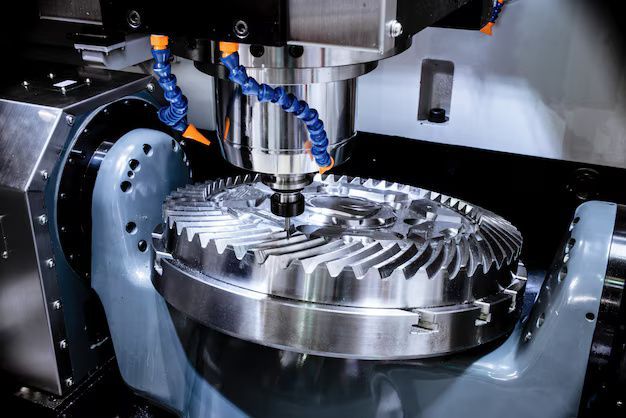
Most high-end factories rely on these machines. Moving across five axes at once, they mix straight-line shifts with spinning actions. Because of that precision, making tricky shapes - say, jet engine vanes or car gears - becomes much smoother.
6-Axis and Beyond
Flexibility gets another boost here. Often found inside robotic arms, these units work where fine control matters most, yet adaptability cannot be sacrificed.
Important Subsections
Axis Movement Explained
From every angle, motion follows one path at a time. With more directions open, the cutter slides into place without pausing. That means less handling of the piece during shaping. Movement flows further when steps repeat less often.
CNC Machining Center
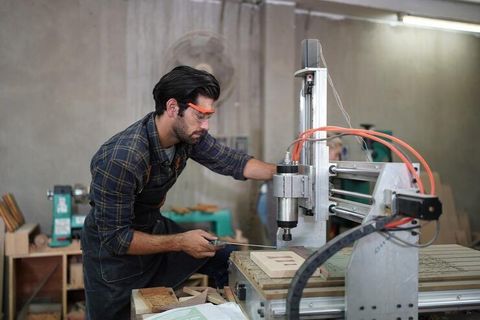
Inside one frame sits a CNC machining center - machine, brain, tools all together. Spinning on more than three axes, these models slice through complex jobs fast while staying exact. Precision isn’t guessed; it’s built into every turn they make.
Tool Positioning Accuracy
What stands out most? Multi axis machines deliver sharp precision. Because they hold exact positions, outcomes stay uniform - no matter how intricate the design gets. Their reliability shows best when tasks get tough.
How It Works
The working process of a multi axis CNC machine can be explained step by step:
- Design Creation
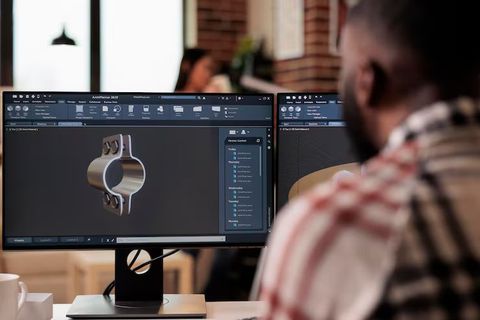
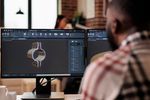
- A sketch on screen takes shape through software meant for drafting. Later comes refinement until it looks right.
- Program Conversion
- From the blueprint, steps are turned into code. This tells the tool exactly where to go.
- Material Setup
- Material gets placed on the machine's base or clamp.
- Tool Selection
- From a set of options, it picks the right cutter without help.
- Machining Process
- Out of nowhere, the tool dives into carving, boring, or forming whatever's placed nearby. Because it shifts across several directions, pauses become unnecessary when tackling fresh angles.
- Final Output
- A single touch finishes the piece - accuracy stays sharp, hands stay free. Precision holds tight while work fades into background.
Mistakes happen less when things run without hiccups. That comes from how the steps fit together smoothly.
Benefits and Advantages
Multi axis CNC machines provide several practical benefits:
- High Precision
- Out of nowhere, precision matters most when building components for planes or medical devices. Machines that deliver exact results show up where errors aren’t an option.
- Complex Shape Handling
- Besides carving complex patterns, these tools handle fine details better than older models. While standard equipment struggles, such systems shape elaborate forms smoothly. Though basic setups lag behind, precision here stands out clearly. Even when tasks get tough, craftsmanship remains sharp. Because limitations fade, results often surprise.
- Reduced Setup Time
- Working from different sides means moving the piece around happens far less often.
- Improved Efficiency
- Speeding up how fast things are made boosts what gets done in total. Production runs that move quicker mean more output over time.
- Better Surface Finish
- Pieces shaped by steady passes at shifting directions leave behind a softer feel. A finish built this way flows without rough spots, each motion adding its own quiet touch.
- Lower Manual Intervention
- Machines handle tasks without needing people around all the time.
What sets multi axis CNC machines apart is their role in boosting accuracy within tight-tolerance production settings.
real world examples applications
Across different fields, multi axis CNC machines show up regularly. Take aerospace - complex parts get shaped precisely there. Medicine uses them too, crafting components that fit just right. Car makers rely on these systems during production runs. Even artists find value when building detailed metal sculptures. Each sector adapts the technology differently. Precision matters most in these cases
Aerospace Industry
Some airplane pieces come in tricky forms, needing exact measurements. Because of that, multi direction tools shape things such as engine fan blades or frame sections. These machines adjust on the fly so each curve meets strict rules.
Automotive Manufacturing
From engine pieces to gears, precision comes alive through CNC machines shaping each part. Custom shapes take form when computer-driven tools cut with care. Gears gain smooth function as milling runs its course. Each detail locks into place because digital control guides every move. Metal turns exact where automated paths meet design.
Medical Field
Shaped just right, implants and surgery instruments depend on careful forming. Detail comes through when multi axis systems take control.
Mold and Tool Making
Smooth finishes and tricky shapes matter a lot when building molds. Easier to handle these tasks now thanks to machines that move in several directions at once.
Electronics Industry
Tiny pieces inside gadgets come together fast because of how these tools work. Machines shape them precisely, yet quietly every time. Each part fits just right after being made this way. Speed matters here, even if it seems slow at first glance. Precision drives the process, not force or noise. They emerge clean, smooth, ready without extra steps.
Key Things to Know
Before working with multi axis CNC machines, it is important to consider the following:
Machine Capability
A single machine might move along three directions, another across five. Picking one comes down to how detailed the piece needs to be.
Material Type
When working with metal, behavior under cutting tools isn’t the same as plastic. Each material needs specific adjustments to work well. Composites react in their own way - settings must shift accordingly.
Operator Skill
Even when machines run on their own, people still handle the coding and preparation. Skilled workers step in because automation doesn’t cover every detail. Without human oversight, errors creep into the process. Setup tasks rely heavily on experience. Programming adjusts based on real-time needs. Machines follow directions but can’t think ahead. That gap is where operator expertise matters most.
Maintenance Requirements
Machines run better when looked after - simple care keeps them going strong. A little attention now prevents big problems later.
Production Volume
When it comes to handling just a few pieces or cranking out thousands, multi axis machines fit the task well. Though designed differently than older models, they adapt easily whether volume is low or high.
Grasping each piece makes it easier to work well with what the machine can do. Though small, knowing details shifts how you interact. When clarity comes, performance often follows without effort. From that point, results begin to reflect smarter choices. Simply put, insight changes how tasks unfold.
Future Trends and Industry Insights
Tomorrow's multi-axis CNC systems grow alongside leaps in factory automation, tied tightly to smarter production methods. Though changes come fast, each step follows where intelligent manufacturing leads. Behind every upgrade stands a network of automated progress, shaping how these machines evolve slowly but surely.
Integration with AI
Machines now learn patterns, so precision gets better over time. Predictions about repairs come from data instead of schedules.
Smart Factories
Faster decisions happen when machines share data across links. Control shifts smoothly because updates flow without delay.
Increased Automation
Machines now handle chores people used to do, which means things get built faster. What once took hours by hand moves quickly through automatic steps.
Advanced Materials
Built for tough jobs, multi axis machines tackle the challenges of modern materials. Their precision shines when older methods fall short.
Compact Machine Designs
Smaller builds now come without sacrificing power. Performance stays strong even as size shrinks.
Out of today’s shifts emerges a clear path: multi axis CNC systems are shifting how production works. Step by step, they’re becoming central to making things now. Their growth doesn’t slow - instead, it pulls ahead with each new advance.
Conclusion
Nowhere else has change been so clear as in factories using multi axis CNC systems. Moving beyond simple cuts, these machines tackle intricate shapes with steady accuracy. Because of their motion range, tasks finish faster while quality stays high. In modern plants, such reliability turns difficult jobs into routine work.
Out in space labs or inside hospital walls, you’ll find these tools hard at work. With every new tech leap, their role gets bigger - hard to ignore. Peek under the hood, learn what they bring, then watch tasks get sharper, faster. Better outcomes? That’s just part of the shift across high-stakes production fields.