Industrial Generator Machines Explained: Working, Benefits, and Applications
Industrial generator machines play a vital role in keeping operations running when electricity from the grid is unavailable or unstable. From factories to hospitals, many sectors depend on a continuous power supply to avoid downtime and maintain productivity. These machines are designed to produce electricity reliably, even in demanding conditions.
Nowadays, more companies want strong generators since factories rely on steady electricity for running new tools. Figuring out what these units do and where they fit in operations helps firms handle energy better.
Understanding the Concept
Starting up an industrial generator means turning motion into electricity. Power flows out to run tools, lights, among other gear where work happens at scale.
Inside, a machine burns diesel, natural gas, or petrol to power an engine. That spinning engine turns a part known as an alternator - electricity comes out. From there, it flows into different parts of a building.
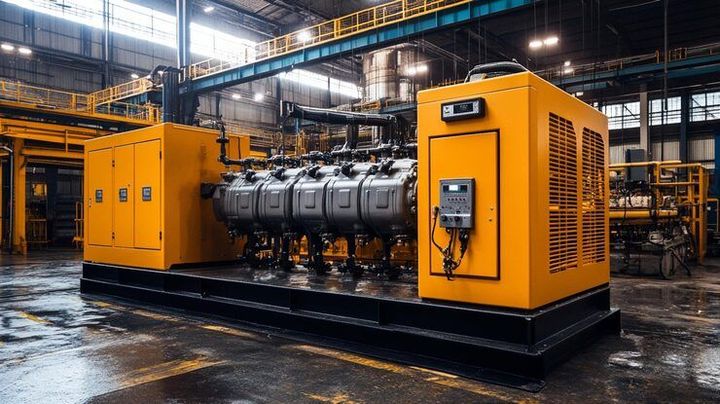
When the power demand spikes, heavy duty industrial generators keep running without skipping a beat. Built tough, they rely on strong materials that resist wear over time. Instead of overheating, their smart cooling setups manage heat efficiently. Long hours mean nothing to these machines - they stay steady when pushed hard.
A machine kicks in when lights go out - this one keeps factories running. It works whether called upon first or last, just stays ready. Power flows because it stands by, doing its job quiet-like. When electricity dips, this unit picks up the slack without fuss. Operations move on, thanks to steady output from such gear.
Key Types and Categories
Diesel Generators
Out in the field, diesel generators pop up almost everywhere industry needs power. Tough by design, these machines keep running even when pushed hard.
- Ideal for long operating hours
- Efficient fuel usage
- Reliable in harsh environments
Natural Gas Generators
Running on natural gas, these units work best where fuel flow stays steady. When supply lines hold strong, they’re a common pick.
- Cleaner fumes than what diesel pumps out
- Lower noise levels
- Suitable for continuous use
Portable Industrial Generators
Mini versions built for short-term setups or shifting around. One step at a time they move where needed. Not meant to stay long. Light frames help them travel fast. Easy to pack up when done. Made for quick jobs on open roads.
- Easy to transport
- Suitable for construction sites
- Quick setup
Standby Generators
When electricity cuts out, standby generators kick in by themselves.
- Immediate response during outages
- Vital when things must work without fail
- Frequent inside medical buildings, also found where servers stack up. Places that run nonstop often host both kinds of setups. Critical operations tend to mix these environments together
Inverter Generators
Fine power flows steady from these units, so delicate machines run without trouble. Though built tough, their output stays smooth enough for high-precision tools.
- Consistent power output
- Reduced noise levels
- Efficient fuel consumption
Important Subsections
Fuel System
Fuel moves from storage into the engine whenever it's needed. Inside, tanks hold it until pumps push it forward, while filters clean the flow along the way.
Engine
Power comes from the engine, turning gasoline into motion. This shift from liquid to movement happens inside its core.
Alternator
Spinning parts inside it create power when the engine runs. Mechanical motion becomes electricity through this device.
Cooling System
Fans kick in when heat builds up around the generator. Temperature control kicks off automatically if things get too warm. The setup stays cool because sensors track warmth constantly. Cooling begins before limits are reached. Protection activates without delay once thresholds near.
Control Panel
From here, you can watch how things run while adjusting tasks. A single view gives access to both oversight and adjustments at once.
How It Works
Start with a battery bank storing energy for later. When the main power stops, an automatic switch shifts operations to this reserve. The stored electricity travels through an inverter, changing it from DC to AC so machines keep running. Sensors monitor voltage levels constantly, making sure supply matches demand without delays. A fuel-powered generator often kicks in during longer outages to recharge the system slowly. Everything runs quietly until normal service returns
- Fuel Supply
- Fuel moves into the generator straight from the storage container.
- Engine Activation
- Fuel ignites inside the machine once it powers up, turning liquid into motion. Then spinning parts take over as combustion kicks in.
- Energy Conversion
- Spinning into action, the alternator turns motion into electric power.
- Voltage Regulation
- Electricity gets smoothed out so the flow stays steady.
- Power Distribution
- Power flows into devices, networks, or structures. It reaches equipment, setups, or homes. Machines get energy through grids, circuits, or lines. Supply runs to tools, installations, or spaces. Current feeds operations, frameworks, or areas.
- Cooling and Exhaust
- From time to time, warmth builds up when it runs - this gets moved away by the cooling parts. At the same moment, used gas flows out without causing trouble.
Seconds tick by. A factory loses grid power. The backup generator kicks on - no delay. Electricity flows again almost right away. Machines keep moving. No stoppage slows things down.
Benefits and Advantages
Heavy-duty power units bring solid benefits, which explains why they’re standard equipment across today’s industrial sites
- Reliable Power Supply
- Battery backups kick in when the grid goes down, keeping systems running without a hitch.
- Increased Productivity
- Businesses can avoid downtime and maintain efficiency.
- Versatility
- Built to fit many fields - construction crews rely on it, hospitals find it useful too, while factories keep using it again. Each sector adapts it differently, yet all see value where precision matters most.
- Durability
- These tough machines run nonstop even when things get rough. Built strong on purpose they keep working where others fail.
- Scalability
- When more juice is needed, things shift accordingly. Power demands shape how setups run. Depending on energy needs, adjustments happen naturally. What flows through changes how parts behave. Needs dictate tweaks in the machine's rhythm.
- Safety
- When power fails, lights in hallways stay on along with machines in hospitals.
- Energy Independence
- Some groups now need smaller amounts of outside electricity.
What makes industrial power generation gear stand out shows up clearly across different industries. Equipment like this matters because it keeps operations running when demand spikes. Instead of relying on outside sources, companies use these systems to maintain control. Power needs change fast, yet this machinery adapts without lag. Reliability isn’t just a feature - it’s built into how the units function day after day.
real world examples and applications
Industrial generators are used in many real-life scenarios:
Manufacturing Plants
When lights go out elsewhere, machines keep moving inside. Power fails happen - but work keeps going anyway.
Hospitals
Powering medical gear without pause keeps patients safe. When lights flicker, generators kick in - no delay. A split-second shift maintains the flow.
Construction Sites
Fuel-powered units bring power to devices where lines don’t reach. A mobile setup keeps worksites running when outlets aren’t nearby. These machines deliver current far from substations. On remote jobs, they replace fixed wiring temporarily. Without them, some tasks couldn’t start at all.
Data Centers
Persistent electricity keeps servers running smoothly. When outages strike, generators kick in - safeguarding information while networks stay live.
Mining Operations
Fuel-powered machines often keep operations running where mines sit far from cities. Power needs out here depend on these units when no grid reaches close.
events and outdoor activities
Out in the open fields, big gatherings rely on portable power units. These machines kick on when the grid can’t reach. Lights come alive through humming fuel boxes. Music travels over speakers fed by diesel-run sources. Equipment stays live thanks to mobile energy hubs parked nearby.
A single massive build site out in the middle of nowhere might rely on rugged power units just to keep cranes moving, holes being bored, lights burning from dawn to dark.
Key Things to Know
Before choosing or using a generator, several factors should be considered:
Power Requirement
Figuring out the right amount of power comes first. That way, the machine won’t struggle under what it has to run.
Fuel Type
Burning diesel lasts longer. Yet natural gas pollutes less.
Operating Environment
Running a generator where it's too hot or full of dust means picking one built for that mess. Not every model handles scorching heat the way some handle grime. Choose wrong, things go sideways fast. Tough spots need tough gear - no surprise there.
Maintenance Needs
Checking things often keeps them running well, which means they last longer.
Noise Levels
Precisely where city sounds never fade, hush matters most. Stillness becomes key when streets hum late into night.
Efficiency
Running smoothly, efficient generators sip fuel yet keep output steady. Power flows without guzzling resources, thanks to smarter design inside.
Safety Measures
Mistakes during setup can lead to trouble later on. When things run smoothly, hazards tend to stay away.
Looking at these points makes it easier to pick the right industrial generator for what you need.
future trends and industry insights
Fueled by shifting needs, generators adapt fast now. Change drives new designs suddenly. Efficiency matters more than ever lately. Machines run longer without stopping these days. Digital controls appear everywhere gradually. Remote monitoring becomes common piece by piece. Custom solutions grow popular step by step. Fuel flexibility gains ground little by little. Noise reduction improves steadily over time
Cleaner Energy Solutions
Fuel sources matter more now than before. Because of this shift, generator designs include new methods that cut pollution while running on greener options instead.
Hybrid Systems
Now you see homes pairing power generators alongside rooftop solar setups. A shift, quiet but steady, replaces old habits with sun-fed systems backed by reliable engines humming through cloudy days.
Smart Monitoring
Out of nowhere, modern generators come equipped with digital tools watching how they perform right now. These systems keep track without delay, showing exactly what happens moment by moment. Performance details appear instantly, thanks to built-in screens updating constantly. Information flows nonstop, letting users see shifts as they occur. Real-time feedback emerges through smart interfaces wired directly into operation.
Improved Efficiency
Fuel-sipping motors now pack a stronger punch, as builders tweak designs. Not just sipping but sprinting too - efficiency meets muscle unexpectedly. A shift unfolds quietly: power climbs without guzzling more. Some engines even surprise by cutting consumption mid-leap forward.
Automation
Machines run on their own, needing almost no one watching. When set up right, they keep going without someone stepping in.
Compact Designs
Smaller builds now come standard, yet performance stays strong. Though tiny, these versions push just as hard. Size drops off, but strength never fades. Tiny frames show up, still packing full force. Even mini ones hold their ground, running sharp and deep.
Now efficiency climbs in industrial power backups, thanks to smarter tech rolling out steadily. Reliability tags along, improved by designs that stick around longer under pressure. Even nature gets a break - new models cut down waste with quieter operations.
Conclusion
When the grid fails, industrial generators kick in to keep operations running. Mechanical motion becomes electric current through these units, powering facilities without delay. Wherever steady electricity matters, they stand ready - remote sites, factories, even construction zones rely on their output. Outages lose their edge when such machines take charge.
One step beyond basic power, diesel units mix with solar setups to fit varied demands. While boosting output, they also cut reliance on outside electricity sources. Because jobs keep running during outages, teams stay protected in remote spots. Even mining camps rely on these systems just as farms do. Not every solution looks the same - size shifts based on need.
Nowhere is change more clear than in generators, where progress means cleaner output. Because systems adapt, they waste less while doing more. Since operation shapes impact, knowing details matters for choices at work or home. Machines reveal their value not by promises but performance over time.