Grain Processing Machines: Key Equipment for Modern Agriculture
Grain processing machines play a vital role in today’s agriculture. From wheat and rice to corn and barley, grains must go through several steps before they are ready for consumption. These machines help transform raw harvests into usable food products in a fast and efficient way.
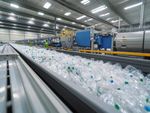
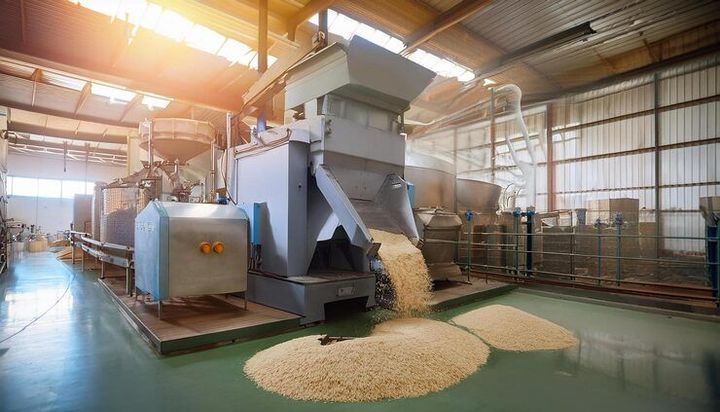
Nowadays, farms rely on updated tools like grain mills and smart processing setups. Because of them, growing amounts of grain get processed without losing value. These devices break down kernels through grinding or crushing actions inside a chamber where moving parts do the job. When grains move between surfaces that rotate or rub together, they turn into flour or meal. Each machine uses specific settings depending on what type of output is needed. Some separate bran and germ during the process by using sifters right after grinding. This keeps textures consistent across batches. Efficiency matters because delays can lead to spoilage in warm conditions. Heat builds up when machines run nonstop, so cooling helps protect nutrients. Dust floats around during operation, which means filters are necessary for clean results. Operators adjust speed and pressure based on grain moisture levels before starting. Harder grains need more force compared to softer ones. Cleaning comes first - dirt or stones damage machinery if left unremoved. Once ready, raw material feeds steadily into hoppers above the mill. From there, gravity pulls it toward active components below. Timing affects texture; longer runs create finer outputs. After processing ends, packaged goods go straight to storage or transport. Knowing each step shows how daily meals link back to mechanical choices made far away.
Understanding the Concept
Out in the fields, after harvest comes a machine that takes dusty kernels straight from storage. First thing it does is shake loose dirt and bits of straw through vibrating screens. Instead of leaving rough edges, another part chips away outer layers until smooth. Some models spin the grain fast so husks peel off like jackets. Turning wheat into powder happens next, using stones that roll against each other. Rice gets extra treatment where surfaces get buffed until shiny. Each step shapes something basic into what people can actually cook.
Picture this: raw grain goes in one end, comes out ready to cook. Take wheat - it gets crushed into flour by these gadgets. Polished rice? That starts as rough paddy, shaped inside similar gear. Each step transforms what nature gives into something kitchens can actually use.
Farming today leans on good grain tools simply to move faster, less handwork. What happens next? Uniform results show up every run - this matters just as much for clean output as it does for trust in what’s made.
Key Types and Categories
One kind of machine handles one job, while another takes care of something different. Picture them like steps, where each follows its own path yet fits into the whole. Some break kernels apart, others sort or polish what's left behind. Each plays a role that makes sense only when seen together. Watch closely and you start seeing how they connect without needing words.
Cleaning Machines
Out of dusty batches, these devices pull out pebbles, husks, and odd bits. Only when clear does the grain move ahead.
Examples include:
- Air screen cleaners
- Magnetic separators
- Destoners
Milling Machines
Flour comes from grains crushed inside milling machines. Among grain handling tasks, breaking kernels down ranks near the top in importance.
Types include:
- Roller mills
- Hammer mills
- Stone mills
Dehusking and Shelling Machines
Peeling away the outside part of crops like rice or corn happens inside these devices. After that, people can eat them.
Sorting and grading machines
Grains move through sorting machines that sort them by how big they are, how heavy, or what color. Because of this step, the final product ends up more uniform, easier to manage later on.
Polishing Machines
Polishing machines shape each grain until it gleams, mostly working on rice. A soft shine shows when light hits, changing how it feels between fingers.
Important Subsections
Role of Automation
Some newer flour mills run mostly on their own. These systems handle jobs without needing constant people nearby. Because sensors track what happens, changes happen automatically. Controls tweak how things work based on live feedback.
Processing Units Integration
From start to finish, grain moves without stopping through linked equipment designed for efficiency. One machine hands off to the next, keeping the process steady and smooth.
How It Works
Step one comes first, then what happens after shapes what comes next. Every phase sets up the following part of the process.
- Receiving and Storage
- Right after harvest, workers move the grain into big storage units. These containers keep everything safe from moisture and pests. Sometimes they use tall silos instead of boxes. Each method protects the crop until it is needed later on.
- Cleaning
- Pieces of debris like dust or stones get pulled out by machines. While cleaning happens fast, small bits fall away without slowing things down.
- Conditioning
- Grains become simpler to handle when moisture shifts happen. Wetness tweaked just right changes how they move through machines. A bit more dampness alters their texture before milling begins.
- Dehusking or Shelling
- Peeling back begins at the grain's surface. Off comes the exterior coat. What remains sits just beneath the first covering. Removal finishes when nothing coats the outside anymore.
- Milling or Grinding
- Smashed flat, grains turn into tiny bits or powder. Cracking them open changes their shape completely. Broken down further, they become what we call flour. Each piece gets smaller through steady pressure. The result? A fine substance ready for use.
- Sorting and Grading
- Sorting grains happens by how big they are, also by their condition. Size matters just as much as what shape they’re in.
- Polishing (if required)
- Brighter look comes from polishing certain grains - rice, for example. Appearance shifts when surface layers get removed through refining steps. Shiny texture shows after outer parts fade away slowly. Surface changes make it seem cleaner to some eyes. What remains feels smoother than before processing began.
- Packaging and Storage
- Once finished, it gets set aside ready to be sent out. Stored away until time to move onward.
One after another, they matter - keeping what comes out free of dirt, fit to eat, done right. Each piece fits only when followed through.
Benefits and Advantages
Grain processing machines bring many practical advantages to agriculture and food production.
- Improved Efficiency
- Grain moves fast when there is a lot to handle.
- Better Quality Output
- Uniformity in size and texture comes from machine handling. Machines keep things consistent through steady processing.
- Reduced Manual Labor
- Working takes less strength than older ways did.
- Consistent Results
- Machines keep each batch just as precise as the last. Consistency comes through programmed routines repeating without change.
- Time Saving
- Speedy handling leads to food hitting shelves sooner.
- Reduced Waste
- Pieces move faster when they fit right. Clean work means less waste shows up later. Fewer mistakes happen if the steps come in order.
Good grain machinery lets farmers keep up with more people needing food without losing quality. Machines that handle crops well make sure what's grown stays good through processing. When tools work right, harvests turn out better even when demand rises. Farmers rely on solid equipment to deliver steady results under pressure. Well-built processors help balance speed and care in turning raw grain into usable products.
real world examples applications
Grain processing machines are used in many real-life situations.
Rice Processing Units
After arriving at a mill, paddy gets cleaned before moving to the next stage. Then comes dehusking, where outer layers are removed slowly. From there, grains go into polishing machines that smooth their surface. What ends up packed is the familiar white rice found in most homes.
Flour Production
Out of wheat comes flour, thanks to today's grinding machines. From that point onward, it finds its way into loaves, flatbreads, plus a range of daily meals.
Animal Feed Preparation
Corn, along with barley, gets crushed before blending into animal meals. That mix gives farm creatures what they need to stay healthy.
Small-Scale Farming
Out on the fields, tiny tractors handle grain work just fine. These little setups let growers get their harvest ready - either to sell nearby or keep at home.
Large Industrial Plants
Out in big plants, machines that work nonstop manage heaps of grain every day. Though they juggle several types together, each batch moves through without pause.
Key Things to Know
Before choosing or using grain processing machines, there are several important points to consider.
Type of Grain
Some seeds need one kind of treatment, others another. The equipment must fit what it's working on.
Capacity
Some machines are small, others large. Picking one that fits your workload means thinking about daily output first. Size matters only when matched to need.
Energy Use
Power needs differ across machines. Where efficiency improves, less energy gets used.
Maintenance
Lubrication helps gears turn without grinding. A wiped-down surface resists rust better. Dust buildup slows performance over time. Well-kept tools handle stress more reliably.
Safety Features
Some newer equipment comes with built-in safeguards for people using it. Things like power cut-offs that trigger on their own, also shields you can see around moving parts.
Ease of Operation
Starting off easy means fewer mistakes happen when buttons stay clear. Simple setups skip confusion because operation stays obvious without extra steps.
Finding your way around these pieces makes things run without hiccups, also sharpens outcomes.
Future Trends and Industry Insights
Now machines shape how grain moves from field to table. Tools once unknown now cut time and effort across farms. Each step evolves as fresh ideas replace old routines. Change arrives quietly, yet transforms every stage slowly.
Increased Automation
Fewer people needed when machines run on their own. Accuracy grows because errors fade as automation takes over.
Smart Monitoring Systems
Fresh readings pop up the moment conditions shift inside the system. Machines track heat levels while spotting dampness through smart feedback loops. Live updates flow as operations unfold without delay.
Energy Efficiency
Fresh blueprints aim to cut power needs without losing strong performance. Still, they manage full strength even as electricity use drops.
Compact Machines
Built smaller, these machines now suit tight spaces on tiny farms. Efficiency drives their design, especially out in remote countryside spots. Their size fits where big models simply won’t work. Running better on less power, they meet simpler needs well. Crafted for limited infrastructure, they operate quietly in scattered villages. Focus shifts to lightweight function instead of heavy output. Rural life shapes how they’re made today.
Sustainable Practices
More attention now goes to cutting down trash while handling grains. Green techniques slowly replace old ways of doing things here. Waste drops when smarter steps enter the process. Cleaner methods stick around because they just make sense. Efforts shift toward what harms less. Choices lean into earth-kind practices more each day.
From farm to factory, today’s grain mills shift quietly toward smarter designs. Machines once loud and slow now adapt without fanfare. Change arrives through small steps, not leaps. Processing gains speed while keeping roots in tradition. Efficiency grows where it matters most - without drawing attention.
Conclusion
Out in the fields, grain processing machines help turn rough harvests into meals people can eat. One step at a time, they move crops forward - cleaning them first so dust and debris fall away. Then comes grinding, where kernels get crushed to open their insides. After that, bits get sorted by size, weight, even shine. Polishing gives certain grains a smooth finish, ready for storage or sale.
One step ahead, grain processors now rely on smarter machines to boost output while keeping standards high. Because innovation never stops, tomorrow's equipment promises sharper precision and tougher reliability. Growth in farming tech means more meals reach tables, no matter the region or season.
Farms run smarter because clever engineering keeps pushing what tractors can do. Machines evolve quietly, yet each tweak reveals a deeper shift in how food gets grown.