Brick Making Machines Guide: Types, Features, and Industrial Uses
Bricks are one of the oldest and most widely used building materials in the world. From homes and schools to factories and bridges, bricks form the backbone of many construction projects. While bricks were once shaped by hand, modern construction relies heavily on machines to produce them efficiently and consistently.
Out of nowhere, brick making machines let makers churn out tons of bricks that match perfectly in size, toughness, and finish. Since speed matters on job sites, these tools quietly boost how fast buildings go up while lifting overall safety and reliability.
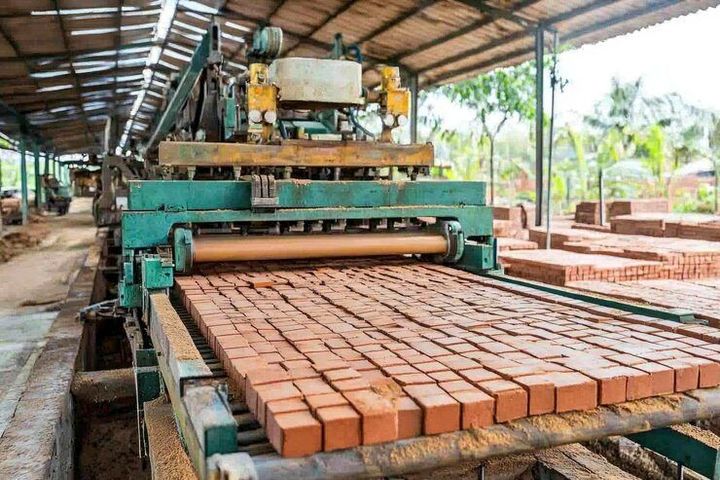
Bricks now come off assembly lines, shaped by machines instead of hands. From start to finish, the process moves quicker thanks to automated systems that handle mixing, molding, and stacking. Some devices specialize in cement blocks, others form bricks from industrial waste like fly ash. These tools bring consistency where older methods brought guesswork. Watching them run reveals how today's buildings gain their bones. Efficiency isn’t accidental - it comes from precise movements repeated thousands of times a day.
This guide walks through various machines - what they can do, how they work, sometimes why one fits a task better than another. Each type shows up in certain places, depending on what it needs to accomplish. Features change from model to model, yet purpose shapes most choices behind them. Operation methods differ, though some steps repeat across several kinds.
Understanding the Concept
Out of reach? Not these sturdy blocks, formed when thick blends of cement, sand, moisture, and fly ash get pressed tight. Machines built just for this task push everything together until it holds its form. Shaped right inside metal cavities, each unit keeps its outline after pressure lifts. Hardening takes place once free from the mold, gaining toughness over time.
Every brick shaped by machine carries the mark of steady rhythm, not human hands. Pressure meets vibration inside these units, forming blocks identical in form each time. Efficiency grows when repetition turns precise, leaving guesswork behind. Uniformity appears naturally where motors replace muscle. Size stays fixed because timing controls every output.
Brick making today leans into greener choices, quietly shifting how things are built. Take fly ash bricks - these come from leftover material at power stations burning coal. Instead of piling up waste, it gets reshaped into building blocks. That twist cuts down junk in landfills while giving construction a cleaner path forward.
One type of brick machine needs people to handle tasks step by step. Another kind runs on its own, moving through stages without much help from workers. Size changes too, depending on how it functions.
Key Types and Categories
Some brick machines work better for small jobs others fit big operations. One kind might run mostly on its own while another needs more hands-on control.
Manual Brick Machines
A person runs each step on basic equipment made of moving parts. Filling the form comes first, done by hand before force is added through a handle or device that squeezes.
Common characteristics include:
- Simple mechanical design
- Suitable for small production environments
- Requires physical effort to operate
- Limited production capacity
Out in backstreet shops, you’ll spot these machines humming away. Sometimes they’re tucked inside family-run yards making bricks. Not big setups - just steady work happening where it’s needed most.
Semi-Automatic Machines
Some tasks need a hand from people while others run on their own. Into the machine goes the material, placed there by an operator. Once started, pressing and forming happen without help. Machines like these split the work - human at first, then automation takes over.
Features often include:
- Mechanical or hydraulic pressing systems
- Controlled vibration for better compaction
- Moderate production capacity
- Built to hold steady where hands might waver. Each unit lines up more predictably than those shaped by hand-fed setups
Out in workshops where output needs a steady pace, semi-auto units show up often. These tools fit right into setups that aren’t small, yet not fully large either.
Fully Automatic Brick Machines
Start to finish, fully automatic systems take care of brick making using smart tech. From mixing to shaping, they move through tasks without needing much help from people.
Common capabilities include:
- Automatic feeding of raw materials
- Hydraulic pressing systems
- Conveyor-based brick movement
- Consistent brick shaping and alignment
Bricks come out fast when machines handle the work, yet each one stays just like the others. Quality never dips because the process repeats without change, though speed increases. Each piece shaped by the system matches its neighbor even as output climbs beyond what hands could make.
Important Subsections
Cement Brick Machines
From a mix of cement, sand, gravel, and water comes a solid block shaped by machine. Built tough, these units stand up well under pressure on job sites everywhere. While some materials fade fast, these hold firm through seasons without cracking apart.
Inside molds, the brick mixture gets squeezed by machines powered either mechanically or through fluid force. Built tough, these units handle different kinds of building work without failing.
Fly Ash Brick Manufacturing Processes
Starting with leftover ash from power plants, builders mix it into blocks using cement along with extra binders. Strength grows when fine particles pack tightly during forming, making each unit tougher than traditional clay versions. Less waste enters landfills since one person's industrial byproduct becomes another's building solution.
Shaping bricks happens before they cure, using equipment like mixers alongside vibrators. Hydraulic presses join the process too, working together with those components inside the machines.
Hydraulic Press Systems
Inside today's brick-making equipment, hydraulics handle the heavy work. Power from fluid movement pushes down hard and steady on material packed into forms.
Benefits of hydraulic pressing include:
- Improved brick density
- More uniform shape
- Higher production consistency
Pumps pushing fluid can power big factory tools.
How It Works
Brick by brick, machines take raw material through shaping and pressing. Even if layouts differ, most follow the same flow. One step leads to another - moisture adjusted, then formed under pressure. Designs change, yet the core routine stays put. After molding, units move forward, ready for drying. Each model handles tasks in its own way, still echoing the same pattern.
Raw Material Preparation
Out of these ingredients comes a blend shaped by precise amounts. Water joins in when sand meets cement, along with aggregates or perhaps fly ash. Mixing happens only after everything is weighed just right.
A mix that holds together well when pressed - this shapes the aim. Smooth enough to bind, yet firm under pressure. Reaching it means adjusting texture carefully. What matters shows up when force meets blend. Each trial shifts thickness slightly. Outcome depends on how stuff clumps before squeeze.
Feed the machine
Ready mix goes into the machine’s feed section. Certain models need hand loading; different ones run with self-feeding setups.
Inside the brick mold, movement of the material kicks off its form shift. Shape takes hold once it settles into place.
Compression with vibration
Pressure inside the machine forces the mix into shape within the mold. While squeezing, some equipment shakes slightly to pack it tighter.
Shaking things loose makes space settle tighter. When the mix packs together well, each block comes out tougher than before. Bumps along the way push bubbles out slowly.
Brick Formation Step Four
Out comes the brick, pushed free once squashed into form. Still soft inside, it keeps its look without being totally solid.
From there, bricks move into spots where they harden. Strength builds slowly once they arrive.
Final Step Curing
Cured slowly, the brick builds toughness when dampness and warmth stay steady. Moisture held just right, heat kept even - this is how solid form takes hold over time.
Some materials need a few days before they fully cure. When bricks set slowly, they reach the strength needed for building work.
Benefits and Advantages
Out of nowhere, consistency shows up when using brick making machines - output stays steady. Production speeds tend to rise, simply because timing gets tighter. Quality shifts upward, step by step, each batch matching the last. Efficiency grows without fanfare, just fewer delays. Machines handle mixing, shaping, and pressing in one stretch. Less guesswork enters the process. Precision slips in quietly. Materials get used more fully, waste drops off. Durability climbs as flaws shrink. Each run delivers similar results. Performance stands firm under pressure. Results? Fewer weak bricks, better overall strength.
Important advantages include:
Consistent Brick Quality
Pressure comes evenly from machines, so each brick ends up matching the others. Shaping methods stay precise, keeping density consistent throughout.
Brick dimensions that stay uniform make it easier for construction workers to move faster on site. When every unit fits the same pattern, laying them becomes a smoother process.
Higher Production Efficiency
Out there, speed matters when turning dirt into building blocks. Factories lean on automated systems because hands alone can’t keep up.
Machines keep things moving without slowing down.
Improved Structural Strength
By pressing down and shaking the mix, trapped air gets pushed out. These tighter-packed bricks handle heavy loads without cracking.
Better Material Utilization
Out of every batch, machines decide just how much goes into a single brick. Because of that, less gets tossed away while handling supplies becomes sharper.
Support for Sustainable Materials
Out of waste, new bricks take shape. Because fly ash gets another life, less trash piles up. Buildings go up without trashing the planet. One leftover turns into walls people need.
real world examples and applications
Brick making machines are widely used across construction and infrastructure development.
Among everyday uses are these examples
Residential Construction
From today’s factories, bricks go into houses, flats, blocks of units. Uniformity in each piece means sturdier walls, faster builds. One steady trait shapes how well walls stand, how quickly crews finish.
Infrastructure Projects
Bricks and blocks are used in infrastructure such as:
- Schools
- hospitals
- public buildings
- boundary walls
Reliable brick production helps support these projects.
Industrial Facilities
Out on the floor, cement bricks show up a lot inside factories and storage spaces. Strength matters here - so equipment steps in to check each block lines up with what heavy-duty structures demand.
Roadside and Landscaping Structures
Out back, brick machines churn out bits for walkways, low walls around gardens, spaces shaped by hand outside homes.
Out here, tough builds start with these blocks - rain or shine makes little difference. Built to last, they hold up when seasons shift without giving way easily.
Key Things to Know
One reason some brick makers work faster than others comes down to design choices made long before assembly. Machines shaped by their surroundings tend to match local needs instead of global standards. What drives one model in a humid climate might slow another in dry heat. Some rely on steady power, while others adapt when supplies flicker. Material texture changes how quickly molds fill, affecting output without warning. Operators notice differences most when dust levels shift midday. Older models demand more fixes when vibrations build up over weeks. Newer versions sometimes struggle where spare parts vanish overnight. Efficiency hides in small habits - like how often gears get cleaned or sensors checked. Production pace shifts not just from machine type but from who maintains it.
Production Capacity
Some machines make more bricks than others in the same amount of time. Because bigger ones work like factories, they handle large jobs without slowing down.
A few bricks come out slower when the machine is small, yet it still works just fine close to where they're needed. Smaller setups stick around because they fit right into tight spots without fuss.
Material Compatibility
Not every machine works with all materials. Where one handles cement blends, another manages fly ash mixes. Each type fits a specific job.
Brick shape improves when materials work well together.
Machine Durability
Heavy-duty brick makers run hard, nonstop, pushing materials through intense force. Built tough, they keep going without failing during endless runs on factory floors.
Maintenance and Operation Knowledge
Working machines means knowing how parts move together during making things. Understanding what happens step by step helps spot problems early. Some folks learn by watching others do it first. Others figure it out while fixing small issues along the way. Knowing why something stops working matters just as much as starting it up.
Checking things often plus wiping them down keeps machines running steady.
future trends and industry insights
Bricks still change shape when buildings call for more. Pressure builds behind factory smoke because nature needs breathing room too.
Several trends are shaping the future of brick production technology.
Increased Automation
Out there in brick factories, machines now handle much of the work. These smart setups mix materials, shape bricks, then shift them along - each step timed just right.
Machines handle tasks more precisely, so fewer mistakes happen during manufacturing. Fewer people need to touch the process, which cuts down on errors caused by handwork.
Environmentally Responsible Materials
Across the globe, people are starting to notice greener building options more often. Made from leftover factory waste, fly ash bricks cut down on using regular clay ones instead.
Many construction projects now encourage the use of eco-friendly building materials.
Improved Machine Efficiency
Today’s brick makers change often, using better hydraulics that respond faster. Vibration stays steady thanks to smarter adjustments mid-process. Power use drops when components work more smoothly together.
Built for consistency, today’s updates help factories keep output steady without sacrificing brick quality. Processes stay smooth even under shifting demands. Each change supports reliability behind the scenes.
Smart Production Monitoring
Out there in factories, monitoring setups keep an eye on how well machines run plus what they produce. When things shift even slightly, staff notice fast - thanks to steady data flow showing exactly where hiccups begin.
Even when old-school gear leans on moving parts, modern setups usually mix in tech that tracks performance. While some factories stick with levers and gears, others blend sensors into their workflow. Where mechanical arms once ruled alone, screens now watch every move. Though dials and belts still turn, data streams quietly alongside them.
Conclusion
Out of nowhere, brick production shifted when machines entered the scene. Not long ago, people shaped each piece by hand - now compression does the work. Raw stuff gets packed tight, then formed with steady precision. Uniformity comes easily once molds take over. Strength builds through pressure, not patience. What used to scatter in inconsistency now lines up, row after row.
One machine fits small jobs, yet another handles big runs. Hand-operated models work well where output is low, but bigger operations rely on machines that run with less human control.
Out of nowhere, hydraulic pressing began changing how bricks are made. Fly ash methods joined in, shifting focus toward cleaner outputs. Efficiency got a quiet boost behind the scenes. Durability stayed high without cutting corners. Industry lines started moving faster, yet pollution dipped. Building materials now carry less weight on nature’s shoulders. Sustainable paths emerged not by accident but through steady tweaks. Progress shows up plainly in stronger blocks and clearer air.
One step at a time, brick making machines keep pace with rising construction needs across the building sector. Knowing what kinds exist, how they work, and what sets them apart reveals the quiet precision behind every solid wall - each brick shaped by steady process, not guesswork.