Bottle Filling Machines: Complete Guide to Types and Working
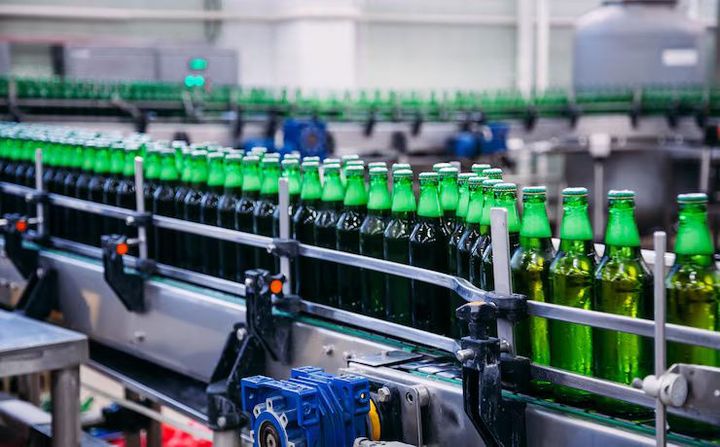
Bottle filling machines play a key role in modern packaging. They help industries fill liquids into bottles quickly and accurately. You can find them in sectors like drinking water, beverages, chemicals, cosmetics, and pharmaceuticals.
From a small juice brand to a large mineral water plant, every production setup depends on efficient filling systems. A good system ensures consistency, hygiene, and speed. This is why terms like bottle filling machines, liquid filling machine, and automatic bottle filling machine are commonly searched in industrial and manufacturing fields.
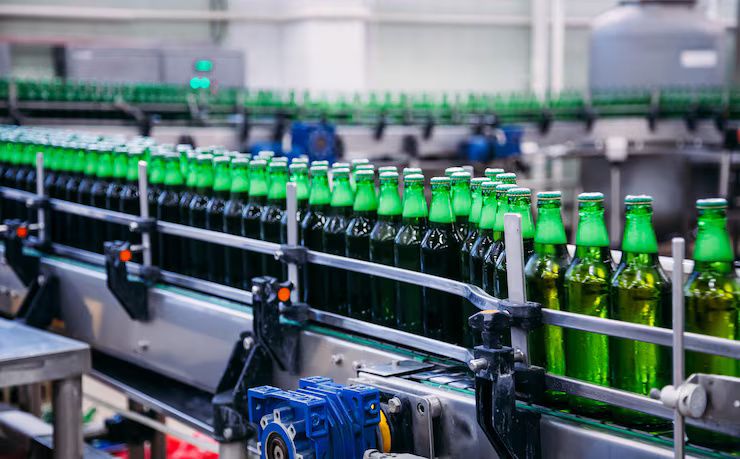
Understanding how these machines work can help you see how everyday products reach shelves in a safe and organized way.
Understanding the Concept
A bottle filling machine is a device used to fill liquid into bottles in a controlled manner. The liquid can be water, juice, oil, syrup, or even chemicals.
The main purpose of this machine is simple:
- Fill each bottle with the correct amount of liquid
- Maintain speed and efficiency
- Avoid wastage and spillage
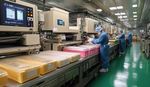
A liquid filling machine can work manually, semi-automatically, or fully automatically depending on the production scale. In large plants, an automatic bottle filling machine is often connected with other machines like capping and labeling systems.
For example, in a water plant, the water bottle packing machine fills, seals, and prepares bottles for distribution without much human involvement.
Key Types or Categories
There are several types of bottle filling machines. Each type is designed based on the nature of the liquid and production needs.
1. Gravity Filling Machines
These machines use gravity to fill bottles. Liquid flows from a tank into the bottle naturally.
Best for:
- Water
- Juice
- Thin liquids
2. Pressure Filling Machines
These machines use pressure to push liquid into bottles. They are faster and more controlled.
Best for:
- Carbonated drinks
- Soda
3. Vacuum Filling Machines
These machines remove air from the bottle before filling. This ensures precise filling levels.
Best for:
- Glass bottles
- Perfumes
- Chemical liquids
4. Piston Filling Machines
A piston moves back and forth to push liquid into bottles.
Best for:
- Thick liquids
- Creams
- Sauces
5. Automatic Bottle Filling Machine
This is a fully automated system. It handles multiple tasks like filling, capping, and sometimes labeling.
Best for:
- Large-scale production
- High-speed operations
6. Water Bottle Packing Machine
This is a complete setup used in water plants. It includes:
- Bottle washing
- Filling
- Sealing
Important Subsections
Manual vs Automatic Systems
- Manual machines need human control
- Automatic bottle filling machine works with minimal human effort
Liquid Type Compatibility
Different machines are designed for:
- Thin liquids (water, juice)
- Thick liquids (oil, cream)
- Foamy liquids (detergent, shampoo)
Production Capacity
Machines vary based on output:
- Small units: few hundred bottles per hour
- Large plants: thousands of bottles per hour
How It Works
The working process of a bottle filling machine is simple but precise. Let’s break it down step by step.
-
Bottle Loading
Empty bottles are placed on a conveyor belt or manually positioned. -
Bottle Positioning
The machine aligns each bottle correctly under the filling nozzle. -
Filling Process
The liquid filling machine releases a fixed amount of liquid into each bottle.
This can be controlled by:
- Time
- Volume
- Weight
-
Overflow Control
Extra liquid is avoided or collected to maintain accuracy. -
Bottle Transfer
Filled bottles move to the next stage like capping or sealing. -
Final Output
The bottles are ready for packaging and distribution.
In a water bottle packing machine, all these steps happen continuously in a single flow.
Benefits and Advantages
Bottle filling machines provide several practical advantages across industries.
-
High Efficiency
Machines can fill hundreds or thousands of bottles quickly -
Accuracy
Each bottle gets the exact same quantity of liquid -
Hygiene
Minimal human contact reduces contamination -
Reduced Waste
Precise filling avoids spills and overfilling -
Time Saving
Automation speeds up the entire production process -
Consistency
Every batch looks and performs the same
For example, a beverage company using an automatic bottle filling machine can maintain uniform taste and packaging across all bottles.
Real-World Examples or Applications
Bottle filling machines are used in many industries. Let’s look at some common applications.
1. Drinking Water Industry
A water bottle packing machine is used to fill purified water into bottles.
Example: Mineral water plants filling thousands of bottles daily.
2. Beverage Industry
Juices, soft drinks, and flavored drinks use liquid filling machine systems for fast production.
3. Pharmaceutical Industry
Medicines like syrups require accurate and hygienic filling.
4. Cosmetic Industry
Products like shampoo, lotion, and oil are filled using specialized machines.
5. Food Industry
Sauces, edible oils, and syrups are packed using piston or pressure filling systems.
These machines ensure that products reach consumers safely and consistently.
Important Factors to Understand
Before selecting or understanding a bottle filling machine, some key factors must be considered.
Liquid Properties
- Thin liquids need simple gravity systems
- Thick liquids require piston-based systems
Bottle Size and Shape
Machines must match the bottle design for accurate filling.
Production Scale
- Small operations may use semi-automatic systems
- Large factories rely on automatic bottle filling machine setups
Speed Requirements
Higher speed machines are used in large industries.
Maintenance Needs
Regular cleaning and maintenance ensure smooth operation and hygiene.
Safety and Hygiene Standards
Machines used in food and pharma industries must meet strict cleanliness standards.
Future Trends and Industry Insights
The bottle filling industry is evolving with new technologies and smarter systems.
Automation Growth
More industries are shifting toward automatic bottle filling machine setups to reduce manual work.
Smart Sensors
Modern machines use sensors to detect bottle position, liquid level, and errors.
Eco-Friendly Packaging
Machines are being designed to handle recyclable and lightweight bottles.
Integration with Robotics
Some advanced systems use robotic arms for handling and packaging.
Improved Efficiency
New designs focus on reducing energy use and increasing speed.
For example, a modern water bottle packing machine can now complete washing, filling, and sealing in one seamless system with minimal supervision.
Conclusion
Bottle filling machines are essential in today’s manufacturing and packaging world. They make production faster, cleaner, and more reliable.
From simple liquid filling machine setups to advanced automatic bottle filling machine systems, these machines help industries maintain quality and efficiency. Whether it is a water bottle packing machine in a mineral plant or a piston filler in a food factory, each system plays a vital role.
Understanding how these machines work helps you appreciate the technology behind everyday products. As industries continue to grow, bottle filling machines will become even more advanced, efficient, and important.