Automated Manufacturing Machines: Complete Guide to Smart Production
Modern factories are changing fast. Machines are no longer just tools that need constant human control. Today, automated manufacturing equipment allows production lines to run with minimal manual effort. These systems improve speed, consistency, and accuracy.
Out in the open shop floor or deep inside massive factories, machines now handle tasks once done by hand. Because systems run on set routines, output stays steady even when orders climb. When tools catch mistakes before they grow, fewer products get tossed aside. Anyone watching motors hum and arms move might start asking how it all ties together. Since each piece feeds data back, decisions happen faster than before. Behind every bolt and wire, there's a reason modern making feels different. Machines learning, adapting, responding - this isn’t tomorrow. This runs today.
Understanding the Concept
Running on set commands, automated manufacturing machines handle jobs without much need for people nearby. Because they rely on sensors plus feedback loops, these systems manage routines or tricky steps all by themselves.
A single machine might take over what once required hands-on work by an employee. Running from coded patterns, it shifts when live data says so.
Factory automation equipment often includes:
- Sensors that detect changes in the environment
- Controllers that process information
- Actuators that perform actions like moving or cutting
Sensing comes first, then thinking follows - action happens inside factory systems. Machines do all three, one after another.
Types of Keys
From robotic arms to conveyor systems, machines handle different jobs on factory floors. While some stack items, others weld or cut materials precisely.
Fixed Automation
Running nonstop, this version handles large amounts of work. Each machine repeats one job over and over, never switching tasks.
Examples include:
- Assembly lines for cars
- Bottling plants
Programmable Automation
Switching jobs means they need some prep first. Though adaptable, new roles take a moment to configure.
Examples include:
- CNC machines
- Industrial robots
Flexible Automation
Whatever the job, these systems shift without long delays. Quick changes fit best where demands switch fast.
Examples include:
- Robotic arms in electronics assembly
- Smart packaging systems
Important Subsections
Industrial Robots
Out in manufacturing, robots handle loads of tasks. Materials shift around thanks to their movement skills - welding happens fast, painting gets done without delays, assembly lines keep rolling because they’re involved.
Conveyor Systems
Faster movement happens when machines carry items between steps. Because workers touch things less, tasks finish quicker.
Control Systems
From the start, computers handle every part of the process. When one machine moves, another follows right after, keeping results consistent.
How It Works
Step one begins with setting up raw materials. After that, machines take over without human help. Next comes shaping each part through precise movements. Then components move along a conveyor for assembly. At this point sensors check every piece closely. Following inspection, finished items get packaged automatically. Finally the system prepares for the next cycle to start
- Input Instructions
- Running things by remote means comes down to coded rules. What happens when depends on preset signals sent ahead of time.
- Material Feeding
- From feeders or by conveyor belts, raw stuff moves into the machine.
- Sensor Detection
- When sensors detect shifts in location, heat, or motion, information flows into the control unit. From there, signals are passed along without delay.
- Processing
- From its core, the device slices materials before shifting into position for joining parts. Sometimes it reshapes raw forms through steady pressure rather than speed. A rhythm runs through each motion, one piece follows another without pause.
- Quality Check
- Faults get caught by sensors along with video eyes scanning each piece. Output checks happen through lens and digital touchpoints spotting flaws.
- Output Delivery
- Past completion, items head toward either follow-up steps or holding zones.
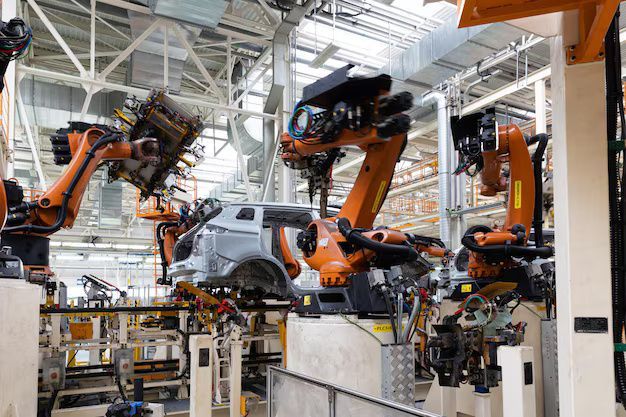
Take a car plant. There, machines with moving arms join pieces using heat. At the same time, small detectors check every joint closely. Each connection must match strict rules. This happens without pause. Quality stays high because systems watch constantly.
Benefits and Advantages
Out of all the tools used today, machines that run on their own stand out. Because they handle tasks without constant human help, factories move faster. Their role isn’t new - yet it shapes how things get built now more than ever.
Increased Efficiency
Day after day, machines keep going - no rest needed. Because of that, things get made faster.
Improved Accuracy
Machines handle tasks without mistakes people might make. Because of that, what comes out stays the same every time.
Better Safety
Robots take on risky jobs, so people stay safer. When machines do the dangerous work, fewer humans face harm.
Reduced Waste
Working carefully cuts down leftover scraps. That way, supplies get used more fully.
Scalability
Fresh output might grow even if the setup stays mostly the same.
Consistent Output
From start to finish, each item moves through identical steps. That’s how consistency stays locked in place.
real world examples and applications
Machines take over tasks in different fields every day. Think of how chores get done without hands now.
Automotive Industry
Car manufacturers use automated production machinery for:
- Welding car frames
- Painting vehicles
- Assembling components
Out there, robots take on jobs that repeat - each move exact. Precision drives them when routines never change.
Electronics Manufacturing
Fine work goes into gadgets such as phones. Machines built for factory tasks handle the job carefully - precision matters when putting small parts together
- Accurate placement of tiny components
- Faster production cycles
Food Processing
Automation helps in:
- Packaging products
- Sorting items
- Maintaining hygiene standards
Textile Industry
Machines handle:
- Cutting fabrics
- Stitching patterns
- Quality inspection
Pharmaceutical Production
Automation ensures:
- Accurate measurement of ingredients
- Safe packaging
- Clean production environments
These examples show how factory automation equipment supports different industries.
Key Things to Know
Thinking through key points comes first when adding machines that run on their own. One must weigh costs, space needs, worker roles, maintenance demands, training time, safety rules, update cycles, supply links, tech fit, and long-term goals before moving forward.
Initial Setup Complexity
Starting right means thinking ahead before any parts connect. A well-thought path keeps things moving without hiccups later on.
Maintenance Needs
Most of the time, machines run better when someone looks at them often. Spotting small issues early stops big breakdowns later.
Skill Requirements
Operators must understand how to monitor and manage automated systems.
Connecting With Current Tools
Fresh equipment must fit smoothly into existing workflows. Sometimes it clicks right away, other times needs tweaks. A good match keeps things running without hiccups. Smooth integration means less downtime overall.
Flexibility
Production shifts often happen in certain fields. Where that's true, setups built to adapt work better.
Energy Consumption
Well-designed setups cut down on power needs while boosting long-term balance. What matters most shows up in daily performance across operations.
future trends and industry insights
Robots that build things keep getting better. Smarter software helps them adjust without constant human control.
Smart Factories
Now machines talk to one another inside factories. Efficiency grows when devices share information across systems.
Artificial Intelligence Integration
Learning happens in machines because of AI, which uses data to get better with practice. Over time, results grow sharper when systems adapt through experience instead.
internet of things
Out there, machines link up using network pathways. From that point on, tracking and adjusting happen right away.
Collaborative Robots
Working next to people, these machines help out where needed. Not taking over jobs completely, they support instead.
Advanced Sensors
Sensors today capture details with better precision. Because of that, choices on the factory floor become sharper.
Sustainable Manufacturing
Machines working on their own cut down extra trash and power needs. That backs ways of doing things kinder to nature.
Conclusion
Out of nowhere, machines that run on their own are changing the way stuff gets built. Not only do they speed things up, but they also keep each item matching the last one exactly. These setups now sit at the heart of how factories operate today.
Most work once done by hand now gets handled through machines built to follow strict patterns. What used to take hours finishes quicker when systems run without constant human oversight. Mistakes happen less often because settings stay fixed across every cycle of operation. Dangerous jobs become manageable since people step away from risky zones during active runs. Operations continue smoothly even under conditions that challenge human endurance.
One step ahead, machines learn faster now. When people grasp how they work, staying ready feels less like guessing. Future factories won’t wait - those who adapt move without stumbling.