Sheet Metal Machines: Complete Guide to Types, Working Principles, and Industrial Uses
Sheet metal machines play a vital role in modern manufacturing. These machines shape, cut, and form metal sheets into useful products that we see every day. From car parts to home appliances, sheet metal processing is behind many essential items.
With the rise of automation and precision engineering, CNC sheet metal machines have become a key part of industries. They help improve accuracy, reduce waste, and increase production efficiency. Understanding how these machines work can give you a clearer picture of how modern manufacturing operates.
Understanding the Concept
Sheet metal machines are tools used to transform flat metal sheets into specific shapes and sizes. These machines use different methods such as cutting, bending, punching, and forming.
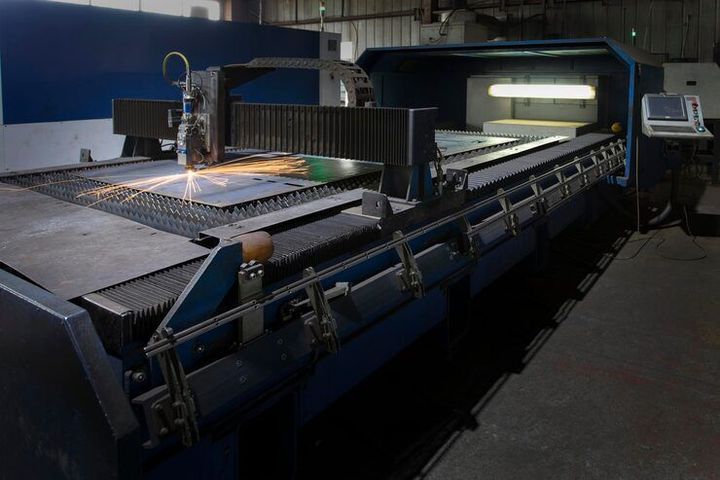
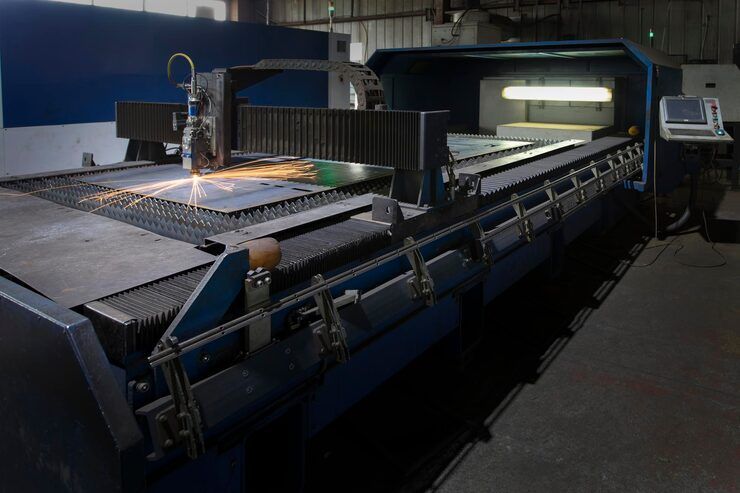
For example, a CNC sheet metal cutting machine uses computer-controlled instructions to cut metal precisely. CNC stands for Computer Numerical Control. It means the machine follows programmed commands instead of manual operation.
These machines are used in industries like automotive, aerospace, construction, and electronics. They allow manufacturers to produce consistent and high-quality components.
Key Types or Categories
Cutting Machines
These machines are used to cut metal sheets into desired shapes.
- CNC sheet metal cutting machine
- Laser cutting machines
- Plasma cutting machines
- Shearing machines
Cutting machines are essential for creating accurate designs. For example, laser cutting can create very detailed patterns with minimal error.
Punching Machines
Sheet metal punching machines are used to create holes or patterns in metal sheets.
- Turret punching machines
- CNC punching machines
These machines are commonly used in making panels, brackets, and enclosures.
Bending Machines
Bending machines shape metal by applying force.
- Press brakes
- Folding machines
They are used to create angles and curves in metal sheets.
Forming Machines
These machines reshape metal into complex structures.
- Roll forming machines
- Deep drawing machines
They are often part of sheet metal production line equipment, where multiple processes happen in sequence.
Important Subsections
CNC-Based Systems
CNC sheet metal machines are automated and controlled by computer programs. They ensure high precision and repeatability.
Manual Machines
These machines require human control. They are simpler but less accurate compared to CNC systems.
Integrated Production Lines
Sheet metal production line equipment combines multiple machines into one system. This setup allows continuous production with minimal manual handling.
How It Works
Sheet metal machines follow a step-by-step process to transform raw metal sheets into finished products.
-
Design Creation
Engineers create a digital design using specialized tools. This design defines the shape and dimensions. -
Programming the Machine
The design is converted into instructions for CNC sheet metal machines. -
Material Preparation
Metal sheets are selected based on thickness and type. Common materials include steel, aluminum, and copper. -
Cutting Process
A CNC sheet metal cutting machine cuts the sheet according to the design. -
Punching and Forming
Sheet metal punching machines create holes or patterns. Then, bending or forming machines shape the metal. -
Finishing
The final product may go through additional steps like polishing or coating.
For example, in a factory producing metal cabinets, the sheet is first cut, then punched for holes, and finally bent into shape.
Benefits and Advantages
Sheet metal machines offer several advantages in manufacturing.
-
High Precision
CNC sheet metal machines ensure accurate and consistent results. -
Efficiency
Automated processes reduce production time. -
Reduced Waste
Precise cutting minimizes material loss. -
Versatility
Machines can handle different metals and designs. -
Scalability
Sheet metal production line equipment supports large-scale manufacturing.
These benefits make sheet metal processing essential for modern industries.
Real-World Examples or Applications
Sheet metal machines are used in many everyday applications.
-
Automotive Industry
Car bodies, doors, and engine parts are made using CNC sheet metal machines. -
Construction
Roofing panels, structural components, and ducts are produced using sheet metal processes. -
Electronics
Enclosures for devices like computers and control panels are created using sheet metal punching machines. -
Appliances
Washing machines, refrigerators, and ovens use sheet metal parts. -
Aerospace
Aircraft components require high precision, which is achieved using advanced CNC sheet metal cutting machine systems.
For example, when you see a metal cabinet in an office, it has likely gone through multiple processes including cutting, punching, and bending.
Important Factors to Understand
When working with sheet metal machines, several factors must be considered.
-
Material Type
Different metals behave differently during cutting and bending. -
Thickness of Sheet
Thicker sheets require more powerful machines. -
Machine Accuracy
CNC sheet metal machines provide better accuracy compared to manual systems. -
Production Volume
High-volume production often uses sheet metal production line equipment. -
Maintenance
Regular maintenance ensures machines operate smoothly. -
Operator Skill
Even with automation, understanding machine operation is important.
For example, using the wrong settings on a CNC sheet metal cutting machine can lead to inaccurate cuts or damaged material.
Future Trends and Industry Insights
The sheet metal industry is evolving with new technologies.
-
Automation Growth
More factories are adopting CNC sheet metal machines for faster and more accurate production. -
Smart Manufacturing
Machines are becoming connected and capable of sharing data for better efficiency. -
Advanced Materials
New alloys and lightweight metals are being used in production. -
Energy Efficiency
Modern machines are designed to use less energy while maintaining performance. -
Integration of Production Lines
Sheet metal production line equipment is becoming more advanced, allowing seamless operation from start to finish.
In the future, factories may rely heavily on automated systems where machines communicate with each other to optimize production.
Conclusion
Sheet metal machines are a cornerstone of modern manufacturing. They transform simple metal sheets into complex and useful products. From CNC sheet metal cutting machine systems to sheet metal punching machines, each type plays a specific role in the production process.
With advancements in technology, CNC sheet metal machines continue to improve accuracy and efficiency. Industries benefit from faster production, reduced waste, and consistent quality.
Understanding how these machines work helps in appreciating the technology behind everyday products. As the industry evolves, sheet metal production line equipment will become even more advanced, shaping the future of manufacturing.