Metal Fabrication Machines Guide: Cutting, Bending, and Forming Equipment
Metal fabrication machines play a key role in modern manufacturing. They help shape raw metal into useful parts used in construction, automotive production, electronics, and many everyday items. From simple tools to advanced CNC metal fabrication machines, these systems improve accuracy and efficiency.
Understanding how these machines work is important for anyone interested in industrial processes or manufacturing technology. This guide explains the basics in a simple and clear way, making it easy to grasp even if you are new to the topic.
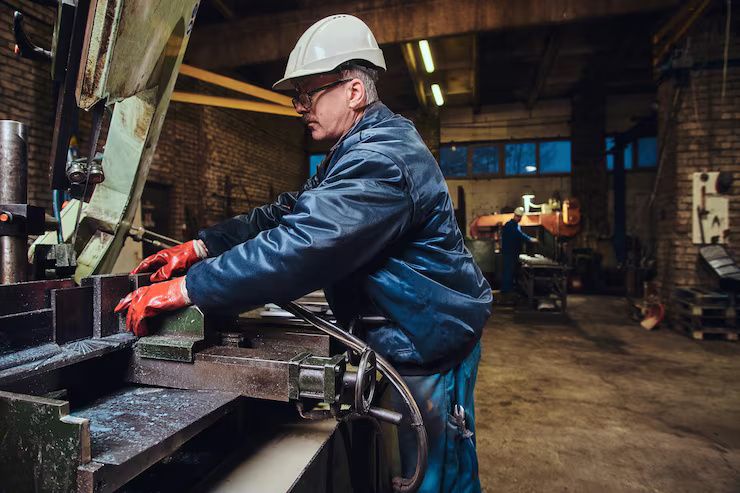
Understanding the Concept
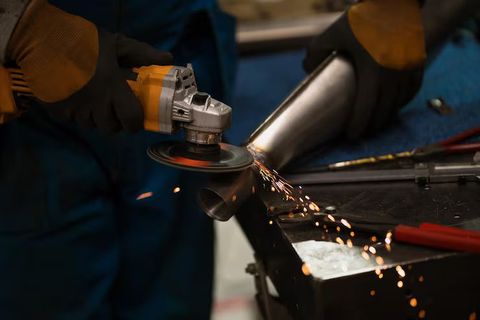
Metal fabrication is the process of transforming raw metal into finished shapes or components. This involves several steps such as cutting, bending, and forming.
Machines are used to perform these tasks with precision. For example, a CNC metal cutting machine uses computer control to guide tools and produce accurate cuts. CNC stands for Computer Numerical Control, meaning the machine follows programmed instructions instead of manual operation.
A metal fabrication production line connects multiple machines together, allowing continuous processing from raw material to finished product. This setup improves speed and consistency.
In simple terms, metal fabrication machines act like tools that shape metal the same way a sculptor shapes clay—but with much higher precision and strength.
Key Types or Categories
Metal fabrication machines can be grouped based on their main function.
Cutting Machines
These machines remove material to create specific shapes.
- laser cutting machines for metal use a focused beam of light to cut through metal sheets
- Plasma cutters use high-temperature ionized gas to slice metal
- Mechanical shearing machines cut metal using sharp blades
Cutting machines are often the first step in the fabrication process.
Bending Machines
These machines change the shape of metal without removing material.
- Press brakes bend metal sheets into angles
- Roll bending machines create curves or cylindrical shapes
Bending is important for creating structural parts like frames or enclosures.
Forming Machines
Forming machines reshape metal using pressure.
- Stamping machines press metal into molds
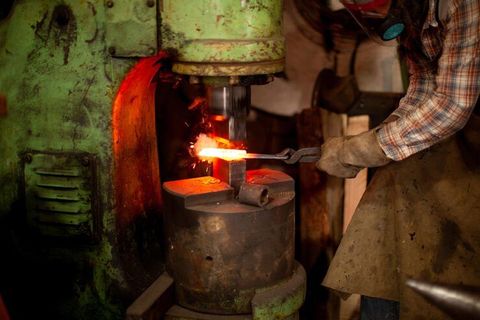
- Forging machines shape metal using heat and force
Forming helps produce complex shapes that are strong and durable.
Important Subsections
CNC-Based Machines
CNC metal fabrication machines are widely used today because they provide high precision and repeatability. Once programmed, they can produce identical parts with minimal variation.
Automated Production Lines
A metal fabrication production line combines cutting, bending, and forming machines into one workflow. This setup reduces manual handling and improves productivity.
Specialized Equipment
Some machines are designed for specific tasks, such as tube bending or wire forming. These are used in industries that require unique shapes.
How It Works
Metal fabrication machines follow a step-by-step process to transform raw material into finished products.
-
Design Preparation
A digital design is created using engineering drawings. This defines the shape and size of the final product. -
Material Selection
The appropriate metal is chosen based on strength, flexibility, and purpose. -
Cutting Process
Machines like a CNC metal cutting machine or laser cutting machines for metal shape the raw material into basic forms. -
Bending and Forming
The cut pieces are then bent or formed into the required shape using press brakes or forming machines. -
Assembly and Finishing
Parts may be joined together using welding or fasteners. Surface finishing improves appearance and durability.
Each step is carefully controlled to ensure accuracy and consistency.
Benefits and Advantages
Metal fabrication machines provide several practical advantages in manufacturing.
-
High Precision
CNC machines follow exact instructions, reducing errors and improving quality -
Efficiency
Automated systems process materials faster than manual methods -
Consistency
Every product produced is nearly identical, which is important for large-scale production -
Versatility
Machines can handle different metals such as steel, aluminum, and copper -
Reduced Waste
Accurate cutting minimizes leftover material
These benefits make fabrication machines essential in modern industries.
Real-World Examples or Applications
Metal fabrication machines are used in many industries that impact daily life.
-
Automotive Industry
Car bodies, engine parts, and frames are created using CNC metal fabrication machines -
Construction Sector
Steel beams, panels, and support structures are shaped using cutting and bending machines -
Electronics Manufacturing
Metal enclosures and components are produced with high precision -
Aerospace Industry
Aircraft parts require extremely accurate fabrication, often using advanced CNC systems -
Household Products
Items like kitchen appliances and furniture frames are made using fabrication processes
For example, when a car door is produced, the metal sheet is first cut using laser cutting machines for metal, then bent into shape, and finally assembled into the vehicle.
Important Factors to Understand
When learning about metal fabrication machines, there are several key points to keep in mind.
-
Material Properties
Different metals behave differently when cut or bent. Some are flexible, while others are brittle -
Machine Accuracy
Precision depends on calibration and programming, especially in CNC systems -
Production Volume
Large-scale production often uses a metal fabrication production line for efficiency -
Maintenance Needs
Machines require regular inspection to ensure smooth operation -
Safety Measures
Proper handling and protective equipment are important when working with metal and machinery
Understanding these factors helps improve performance and product quality.
Future Trends and Industry Insights
The field of metal fabrication is evolving with new technologies.
-
Automation and Robotics
More machines are becoming automated, reducing manual work and improving speed -
Smart Manufacturing
Machines are now connected through digital systems, allowing real-time monitoring -
Advanced CNC Systems
Future CNC metal fabrication machines will offer even higher precision and faster operation -
Energy Efficiency
New designs focus on reducing energy use while maintaining performance -
Integration of AI
Artificial intelligence is being used to optimize cutting paths and reduce waste
These trends are shaping the future of manufacturing, making processes smarter and more efficient.
Conclusion
Metal fabrication machines are essential tools in modern manufacturing. They help transform raw metal into useful products through cutting, bending, and forming processes.
From CNC metal cutting machine systems to complete metal fabrication production line setups, these machines improve precision, efficiency, and consistency. They are used across industries such as automotive, construction, and electronics.
By understanding how these machines work and their advantages, it becomes easier to see their importance in everyday products. As technology continues to advance, metal fabrication will become even more accurate, efficient, and adaptable to new challenges.