Industrial Press Machines Guide: Types, Functions, and Industrial Uses
Industrial manufacturing depends on machines that can shape, cut, and form materials with accuracy and speed. One of the most important tools in this field is the industrial press machine. These machines are widely used in factories to transform raw materials into finished products used in everyday life.
From car parts to kitchen appliances, industrial press machines play a key role in production. Understanding how they work and the different types available can help anyone get a clearer picture of modern manufacturing.
This guide explains industrial press machines in simple terms, covering their types, functions, and practical uses.
Understanding the Concept
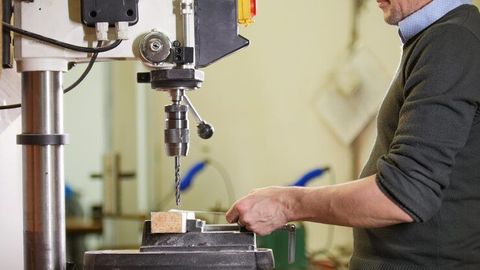
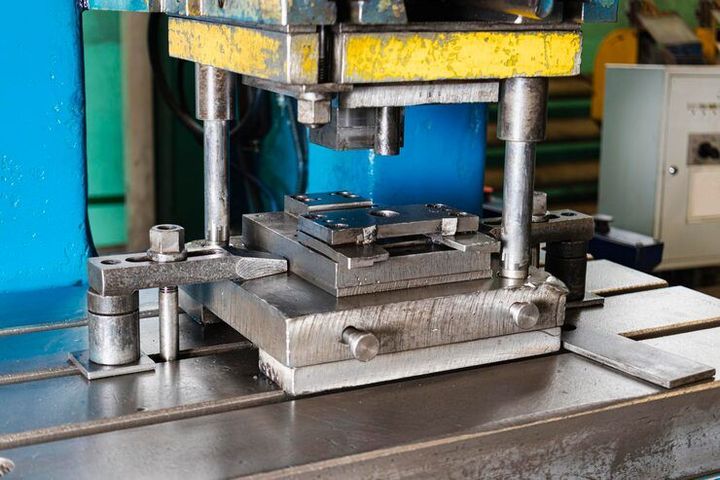
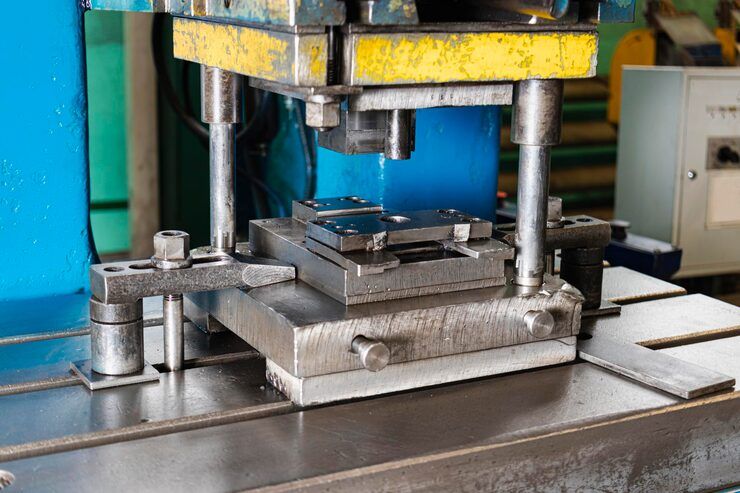
An industrial press machine is a device that uses force to shape or cut materials. The machine applies pressure to a material, usually metal, to change its form without removing material in many cases.
Think of it like pressing dough into a mold to create a specific shape. Instead of dough, these machines work with metals, plastics, and other materials.
The main idea is simple:
- Apply controlled force
- Shape or cut material
- Produce consistent results
Different machines use different methods to generate force. That is why there are several types such as hydraulic press machines, power press machines, and CNC press machines.
Key Types or Categories
Industrial press machines come in various forms depending on how they generate force and how they are controlled.
Hydraulic Press Machines
Hydraulic press machines use fluid pressure to create force. They rely on a system where liquid is pushed through cylinders to move a piston.
Key features:
- Smooth and controlled pressure
- Suitable for heavy-duty tasks
- Ideal for forming thick materials
Example: Used in shaping large metal sheets for automotive panels.
Power Press Machines
Power press machines use mechanical energy, usually from a motor and flywheel, to generate force.
Key features:
- High speed operation
- Best for repetitive tasks
- Common in mass production
Example: Used in stamping small metal parts like washers or brackets.
CNC Press Machines
CNC press machines are controlled by computer programming. CNC stands for Computer Numerical Control.
Key features:
- High precision
- Automated operations
- Consistent results
Example: Used in industries where exact measurements are critical, such as electronics manufacturing.
Automatic Press Machines
Automatic press machines operate with minimal human involvement. They often include feeding systems and programmed cycles.
Key features:
- Continuous operation
- Reduced manual effort
- Improved productivity
Example: Used in assembly lines where parts need to be formed quickly and repeatedly.
Industrial Forging Press Machines
Industrial forging press machines are designed to shape metal using compressive force, often at high temperatures.
Key features:
- Produces strong and durable components
- Used for heavy industrial applications
- Handles large metal pieces
Example: Used in manufacturing engine components or heavy machinery parts.
Important Subsections
Frame Structure
The frame holds the entire machine together. It must be strong enough to handle high pressure without bending.
Common types:
- C-frame: Open design, easy access
- H-frame: Strong and stable, used for heavy work
Control Systems
Modern machines use digital controls for better accuracy. Older machines may use manual or basic mechanical controls.
Tooling and Dies
Dies are special tools used to shape materials. The design of the die determines the final shape of the product.
How It Works
Although different machines operate differently, the basic process is similar.
Step-by-step explanation:
-
Material Placement
The raw material is placed on the machine bed. -
Alignment
The material is positioned correctly under the press. -
Force Application
The machine applies pressure using hydraulic, mechanical, or automated systems. -
Shaping or Cutting
The material is formed into the desired shape using a die. -
Release
The press retracts, and the finished part is removed.
For example, in hydraulic press machines, fluid pressure moves a piston downward. In power press machines, a rotating flywheel transfers energy to create a pressing motion.
Benefits and Advantages
Industrial press machines provide many advantages in manufacturing:
-
High Efficiency
They can produce large quantities of parts quickly. -
Consistency
Each product is nearly identical, which improves quality. -
Versatility
Different machines can handle various materials and shapes. -
Reduced Waste
Many processes shape materials without cutting away large portions. -
Precision
CNC press machines ensure accurate and repeatable results. -
Strength of Products
Industrial forging press machines create parts with high durability.
These benefits make them essential in industries such as automotive, aerospace, and construction.
Real-World Examples or Applications
Industrial press machines are used in many industries. Here are some practical examples:
-
Automotive Industry
- Body panels formed using hydraulic press machines
- Engine parts made with industrial forging press machines
-
Electronics Industry
- Small components shaped using CNC press machines
-
Construction Industry
- Metal beams and structural parts formed with heavy presses
-
Household Products
- Kitchen utensils made using power press machines
-
Packaging Industry
- Containers and lids formed using automatic press machines
Imagine a factory producing metal doors. Large sheets of metal are placed into a press, shaped into panels, and then assembled. This process relies heavily on industrial press machines.
Important Factors to Understand
When learning about industrial press machines, there are several key factors to keep in mind:
Material Type
Different materials require different levels of force. For example:
- Soft metals like aluminum need less pressure
- Hard metals like steel require more force
Machine Capacity
Each machine has a limit to how much force it can apply. This is usually measured in tons.
Safety Measures
Press machines can be dangerous if not handled properly. Safety features include:
- Emergency stop buttons
- Protective guards
- Sensors to detect improper positioning
Maintenance Needs
Regular maintenance helps ensure smooth operation. This includes:
- Checking hydraulic fluid levels
- Inspecting moving parts
- Keeping the machine clean
Energy Consumption
Some machines consume more energy than others. Hydraulic systems may use more power compared to mechanical systems depending on usage.
Future Trends and Industry Insights
The world of industrial press machines is evolving with technology. Several trends are shaping the future:
-
Automation Growth
Automatic press machines are becoming more advanced, reducing the need for manual intervention. -
Smart Manufacturing
Machines are being connected to digital systems for monitoring and control. -
Improved Precision
CNC press machines continue to improve in accuracy and speed. -
Energy Efficiency
New designs focus on reducing power consumption. -
Integration with Robotics
Robots are being used alongside press machines for loading and unloading materials.
These advancements are helping industries produce better products while improving efficiency and safety.
Conclusion
Industrial press machines are a vital part of modern manufacturing. They help shape materials into useful products with speed and precision. From hydraulic press machines to CNC press machines, each type serves a unique purpose.
Understanding how these machines work and where they are used provides valuable insight into how everyday products are made. As technology continues to evolve, industrial press machines will become even more efficient, accurate, and widely used across industries.
Whether it is forming metal parts or creating complex components, these machines remain at the heart of industrial production.