This topic matters because plastic packaging is used across industries like food, beverages, healthcare, and household goods. Understanding how these machines work gives insight into modern manufacturing and why production today is so fast and consistent.
Understanding the Concept
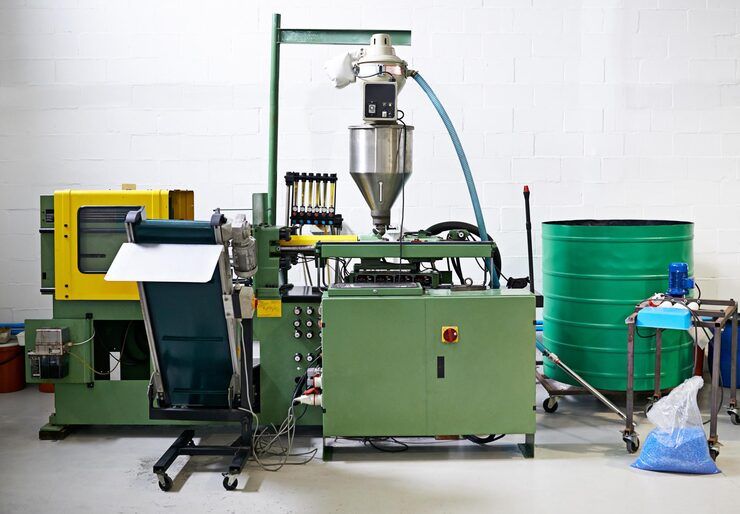
Blow molding is a manufacturing process used to create hollow plastic objects. The process involves heating plastic until it becomes soft and then using air pressure to shape it inside a mold.
Think of it like blowing air into a balloon. The balloon expands and takes shape. In blow molding, melted plastic behaves in a similar way, forming the desired structure inside a mold.
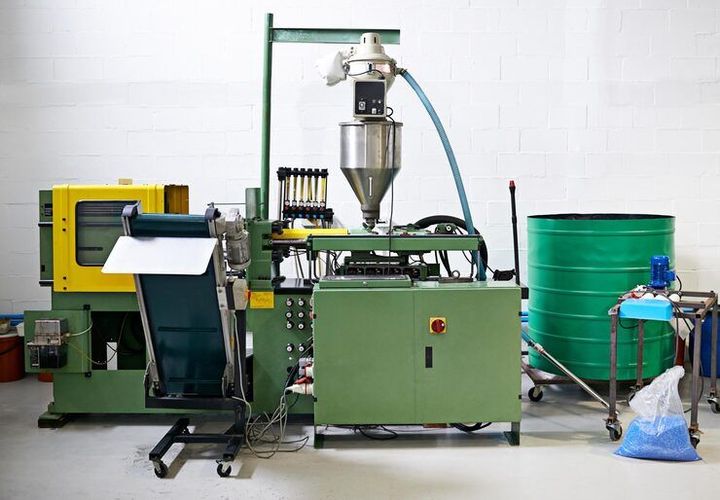
Blow molding machines are designed to handle this process automatically or semi-automatically. Industrial blow molding machines are built for large-scale production and can produce thousands of items in a short time.
Key Types or Categories
There are several types of blow molding machines, each designed for specific applications and materials.
1. Extrusion Blow Molding Machines
This is one of the most common types. In this process, melted plastic is pushed through a tube (called a parison). The mold closes around it, and air is blown inside to form the shape.
Common uses include:
-
Bottles for milk and shampoo
-
Containers for cleaning products
2. Injection Blow Molding Machines
This method combines injection molding and blow molding. First, a preform is created using injection molding. Then it is transferred to a mold where air shapes it into the final product.
This type is ideal for:
-
Small medical containers
-
Precision bottles
3. Stretch Blow Molding Machines
A stretch blow molding machine stretches the plastic preform before blowing air into it. This improves strength and clarity.
This type is widely used for:
-
Beverage bottles
-
Carbonated drink containers
4. PET Blow Molding Machines
A PET blow molding machine is specifically designed for polyethylene terephthalate (PET), a strong and lightweight plastic.
Common products include:
-
Water bottles
-
Soft drink bottles
5. Automatic and Fully Automatic Machines
An automatic blow molding machine reduces manual work by handling steps like heating, molding, and cooling.
A fully automatic blow molding machine takes it further by managing the entire process without human intervention, ensuring high efficiency and consistent output.
Important Subsections
Difference Between Automatic and Fully Automatic Machines
-
Automatic blow molding machine: Requires some human involvement, such as loading materials or monitoring
-
Fully automatic blow molding machine: Handles everything from start to finish
Why Material Matters
Different plastics behave differently under heat and pressure. For example:
-
PET is strong and clear
-
HDPE is more flexible and durable
Choosing the right machine depends on the material being used.
How It Works
The working process of blow molding machines can be broken down into simple steps.
Step-by-Step Process
-
Plastic Heating
Raw plastic is heated until it becomes soft and moldable.
-
Forming the Preform or Parison
The softened plastic is shaped into a tube-like structure.
-
Mold Closing
A mold closes around the plastic, defining the final shape.
-
Air Blowing
Compressed air is blown into the plastic, expanding it to fit the mold.
-
Cooling
The plastic cools and solidifies into the desired shape.
-
Ejection
The finished product is removed from the mold.
For example, in a plastic bottle blow molding machine, this entire process can happen in seconds, producing perfectly shaped bottles ready for filling.
Benefits and Advantages
Blow molding machines are widely used because they offer several practical advantages.
Key Benefits
-
High production speed
Ideal for large-scale manufacturing
-
Uniform product quality
Ensures consistent shapes and sizes
-
Material efficiency
Minimizes waste during production
-
Versatility
Can produce different shapes and sizes
-
Automation capability
Fully automatic systems reduce manual effort
These advantages make industrial blow molding machines essential in modern manufacturing environments.
Real-World Examples or Applications
Blow molding machines are used in many industries. Here are some relatable examples:
Everyday Products
-
Water bottles made using PET blow molding machine
-
Shampoo and detergent containers
-
Cooking oil bottles
-
Cosmetic packaging
Industrial Applications
-
Chemical storage containers
-
Automotive fuel tanks
-
Large drums for liquid storage
Food and Beverage Industry
A stretch blow molding machine is commonly used to produce bottles for soft drinks. These bottles need to be strong enough to handle pressure from carbonated liquids.
Healthcare Industry
Injection blow molding is often used for medical containers where precision and hygiene are important.
Important Factors to Understand
Before choosing or working with blow molding machines, there are several factors to consider.
1. Type of Product
Different products require different molding methods. For example:
-
Thin bottles → stretch blow molding
-
Thick containers → extrusion blow molding
2. Material Compatibility
Not all machines work with every type of plastic. Matching the machine to the material is important.
3. Production Volume
-
Small-scale production → semi-automatic machines
-
Large-scale production → fully automatic blow molding machine
4. Energy Efficiency
Modern machines are designed to reduce energy use while maintaining high output.
5. Maintenance Requirements
Regular maintenance ensures smooth operation and longer machine life.
Future Trends and Industry Insights
The blow molding industry is evolving with new technologies and innovations.
Emerging Trends
-
Energy-efficient machines
New designs reduce power consumption
-
Smart automation
Machines are becoming more intelligent, with sensors and controls
-
Sustainable materials
Increased use of recyclable and eco-friendly plastics
-
Lightweight packaging
Manufacturers are focusing on reducing material use without compromising strength
Industry Direction
The demand for plastic packaging continues to grow, especially in food and healthcare sectors. At the same time, there is a strong push toward sustainability. This is encouraging improvements in machine design and material usage.
Industrial blow molding machines are becoming faster, more precise, and more environmentally conscious.
Conclusion
Blow molding machines are essential tools in modern manufacturing. They make it possible to produce a wide range of hollow plastic products efficiently and consistently.
From simple bottles to complex containers, different types like stretch blow molding machine, PET blow molding machine, and plastic bottle blow molding machine serve specific needs. Automatic blow molding machine and fully automatic blow molding machine systems further improve efficiency by reducing manual work.
Understanding how these machines work helps explain the production behind everyday items we often take for granted. As technology advances, blow molding machines will continue to evolve, focusing on efficiency, sustainability, and innovation.